Congress Slams Modi Government for Pakistan's Mediation Role in West Asia Ceasefire
Synopsis
The Congress party criticizes the Modi government for its diplomatic failures, allowing Pakistan to step into a pivotal mediation role in the US-Iran ceasefire. They call for a unified national approach to restore India's credibility in international affairs.
Key Takeaways
Congress welcomes the ceasefire in West Asia.
Criticism of Modi government's diplomatic approach.
Concerns about Pakistan's emerging role as a mediator.
Potential negative impacts on India's energy security.
Call for a cohesive national foreign policy strategy.
New Delhi, April 8 (NationPress) The Congress party expressed its support for the recent temporary halt in hostilities in West Asia, while simultaneously launching a fierce critique of the Narendra Modi administration. They accused the government of significant diplomatic errors that have enabled Pakistan to take on a crucial role as a mediator in the US-Iran ceasefire negotiations.
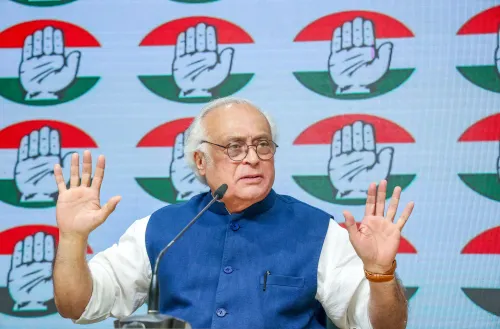
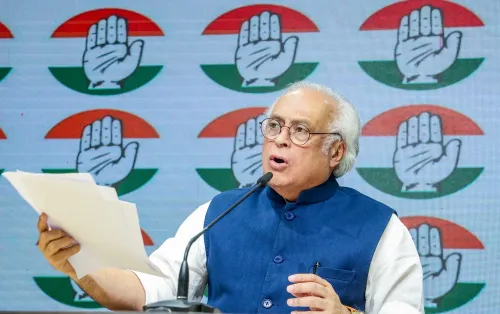
In a comprehensive statement released by its Foreign Affairs Department, Congress characterized the ceasefire as "an essential move towards de-escalation, revitalized diplomacy, and meaningful dialogue." They expressed hope that this would pave the way for enduring peace based on the principles of the United Nations Charter, especially Articles 2(4) and 2(7), which forbid the use of force against territorial integrity and prohibit interference in domestic affairs.
However, the party criticized the Modi government's strategy, claiming that its "diplomatic blunders, biased alliances, and cowardly silence" have jeopardized India’s energy security, strained regional relationships, and diminished India’s reputation as a reliable security provider in the Indian Ocean Region.
"The involvement of Pakistan as a mediator between the conflicting parties, when India is in a far better position to act as a credible negotiator, not only undermines the ongoing efforts of previous Indian administrations to diplomatically isolate Pakistan but also provides Islamabad an opportunity to improve its global standing, thereby obscuring its history of exacerbating regional instability through support for cross-border terrorism targeting India, Afghanistan, and Iran," stated senior Congress leader Salman Khurshid, reflecting the party's official stance.
The Congress outlined the tangible repercussions for India, including shortages of cooking gas, fertilizers, and essential goods affecting millions, disruptions faced by Indian expatriates in West Asia, and new strategic vulnerabilities.
It accused Prime Minister Narendra Modi of "partisan backing for a far-right government during a crisis and national elections" and labeled his "ideological internationalism" as a departure from India’s traditional foreign policy consensus.
The statement called on the government to involve the Opposition in discussions and adopt a cohesive national strategy to restore India’s historical role as a "principled, proactive, and credible advocate for peace and a fair international order."
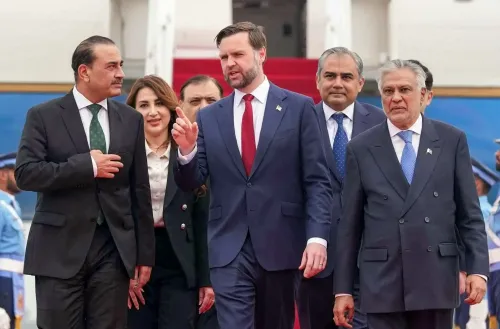
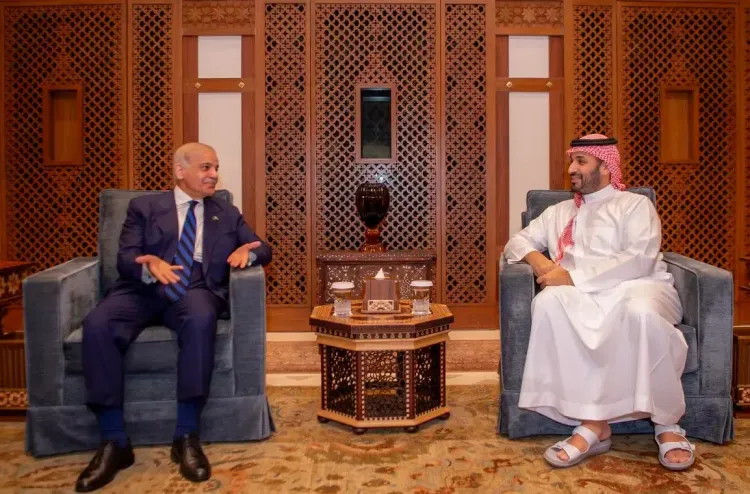
The recent two-week ceasefire agreement among the US, Israel, and Iran was announced, with initial discussions planned in Islamabad — a development that has highlighted Pakistan’s mediation efforts amid heightened tensions involving threats and military actions in the Strait of Hormuz.
This Congress statement underscores a growing political discourse in India regarding the government's management of the volatile situation in West Asia, which holds direct implications for India’s energy imports, the welfare of expatriate workers, and India’s regional influence.
Frequently Asked Questions
What is the Congress party's stance on the West Asia ceasefire?
The Congress party welcomes the ceasefire as a crucial step towards de-escalation but criticizes the Modi government for its diplomatic missteps.
Why is Pakistan's role in the ceasefire controversial?
The Congress argues that Pakistan's mediation undermines India's efforts to diplomatically isolate it and could rehabilitate Pakistan's international image despite its history of regional instability.
What are the potential impacts of the ceasefire on India?
The Congress has highlighted negative impacts, including shortages of essential goods and disruptions faced by Indian expatriates in West Asia.
How does the Congress view Modi's foreign policy?
The Congress critiques Modi's foreign policy as departing from traditional consensus and calls for a more unified national approach.
What are the key articles of the UN Charter mentioned?
The Congress cites Articles 2(4) and 2(7) of the UN Charter, which prohibit the use of force against territorial integrity and restrict intervention in domestic affairs.