Veteran Congress MPs Defend India's Stance on West Asia Amid Criticism
Synopsis
In a bold defense of India's foreign policy, veteran Congress MPs Shashi Tharoor and Manish Tewari assert the importance of national interests amid the ongoing West Asia conflict. Their remarks challenge the opposition's criticism and highlight a pragmatic approach to international relations.
Key Takeaways
Shashi Tharoor and Manish Tewari defend India's foreign policy amid West Asia tensions.
They emphasize the need for India to prioritize national interests over moral stances.
Tharoor invokes Nehru's non-alignment policy to counter opposition claims.
Tewari notes that India has historically played a marginal role in the region.
Criticism of the Modi government highlights concerns over its response to international crises.
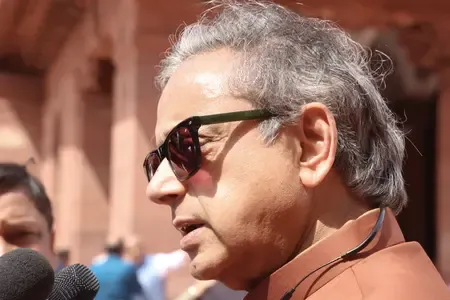
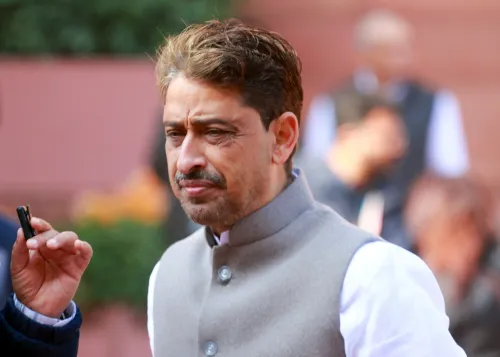
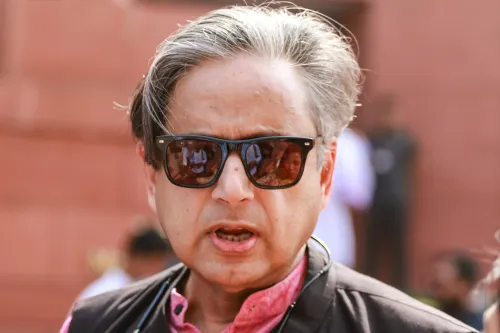
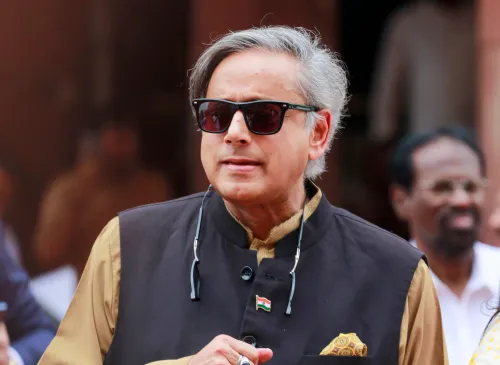
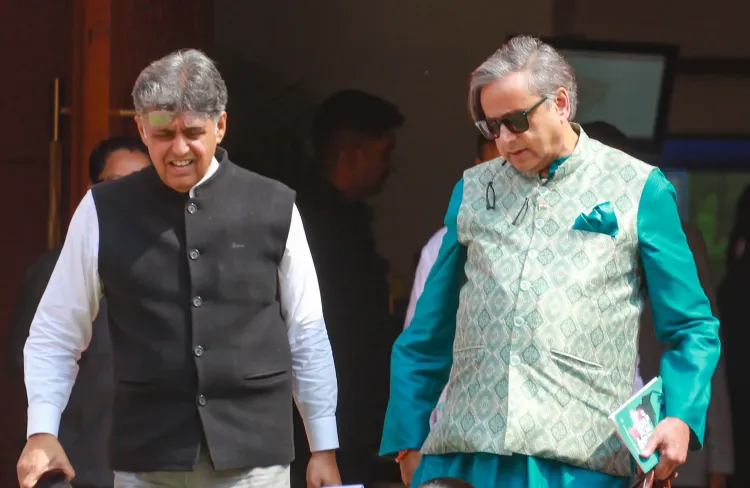
New Delhi, March 19 (NationPress) Veteran Congress Members of Parliament Shashi Tharoor and Manish Tewari have stepped forward to defend India’s foreign policy amid the ongoing tensions in West Asia involving Iran, Israel, and the United States. They have praised India’s adept handling of the situation, highlighting the necessity of prioritizing national interests in the region.
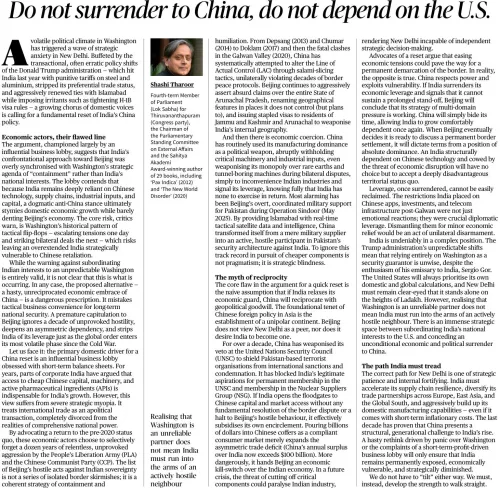
In an op-ed, Tharoor described India’s perceived ‘silence’ as a mark of responsible statecraft rather than a moral failure, as suggested by critics. Tewari echoed this sentiment, asserting that the conflict is “not India’s war” and rationalized the nation’s choice to observe the events from a distance.
Tharoor, who chairs the Standing Committee on External Affairs, referenced Jawaharlal Nehru’s non-alignment policy to counter claims from the Congress-led opposition that India is favoring the powerful US-Israel alliance.
“India’s diplomatic approach has consistently balanced principle with pragmatism. Nehru’s stance was not a rejection of moral positions but an acknowledgment that our sovereignty and survival hinge on steering clear of Cold War conflicts,” Tharoor articulated in his piece.
He acknowledged the complex realities of a multipolar world today, stating, “India engages in 'multi-alignment'—interacting with various powers, some of whom may be in conflict, while keeping our national interests at the forefront.”
He admitted that the conflict involving Iran is indefensible under international law, but argued that India’s 'silence' does not equate to endorsement; rather, it signifies the need for caution over performative statements.
“For a government to acknowledge geopolitical realities and consider the implications for India's economy and strategic standing before taking a public stance is not 'moral surrender'. It is responsible governance,” Tharoor added.
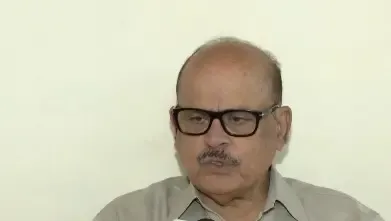
Tewari, addressing a recent event, supported the central government’s strategy of maintaining a distance from the conflicts, emphasizing that India has historically played a limited role in the region.
“It’s crucial to recognize that multiple conflicts are occurring in West Asia. The situation between the United States and Iran extends beyond mere Middle Eastern dynamics,” Tewari remarked.
“It’s not our war. We have always been relatively marginal players in the broader Middle East…” he further stated.
Discussing India’s strategic autonomy, he noted, “If we exercise caution, we are likely making the correct choice, as that is the essence of strategic autonomy—protecting our interests and navigating effectively.”
The Modi government’s perceived inaction regarding the West Asia crisis and the delay in expressing condolences over the death of Iranian leader Ayatollah Khamenei have drawn significant criticism, particularly from the opposition. Congress Parliament Party chairman Sonia Gandhi also expressed concerns in an open letter regarding the government’s hesitance in addressing the West Asian situation.
The support for India’s position on the Gulf crisis from these two seasoned Congress members raises questions and challenges the apprehensions voiced by the party.
Notably, Tharoor and Tewari had previously backed the Modi administration’s diplomatic efforts following Operation Sindoor, which positioned them at odds with their party leadership.
Point of View
Underscoring the complexity of international relations and the necessity of prioritizing national interests. Their defense sheds light on the multifaceted nature of global conflicts and India's strategic autonomy.
NationPress
6 Oct 2026
Frequently Asked Questions
What are Tharoor and Tewari's main arguments regarding India's foreign policy?
They argue that India's 'silence' amidst the West Asia conflict is a responsible approach to statecraft that prioritizes national interests over moral posturing.
How do Tharoor and Tewari view India's role in the West Asia conflict?
They believe that India is not directly involved in the conflict and should maintain a cautious distance, recognizing its marginal role in the region.
What historical perspective do they reference in their arguments?
Tharoor references Jawaharlal Nehru's policy of non-alignment to emphasize the importance of balancing diplomatic principles with pragmatic considerations.
What criticism has the Modi government faced regarding its West Asia policy?
The government has faced backlash for its perceived silence and delayed response to the crisis, particularly after the death of Iranian leader Ayatollah Khamenei.
How does strategic autonomy play into their defense of India's position?
Tewari highlights that being circumspect in its approach reflects India's strategic autonomy, allowing the nation to navigate complex geopolitical realities.