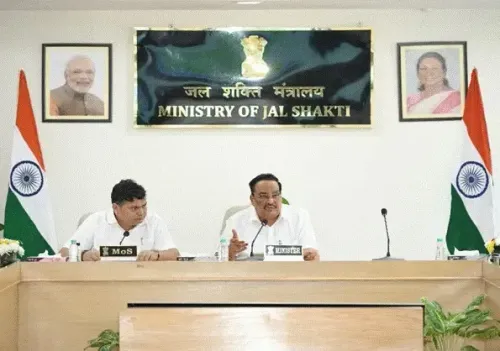
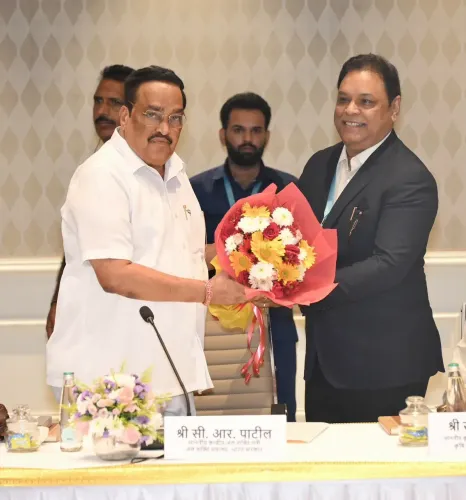
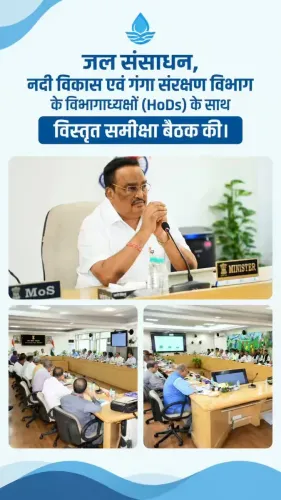
Jal Shakti Minister CR Patil chairs 19th GFCB meet on Ganga flood control
Synopsis
The 19th Ganga Flood Control Board meeting, chaired by Jal Shakti Minister CR Patil, brought together Chief Ministers and senior officials from all Ganga basin states to push for risk-based Master Plans, better DPRs, and modern flood technology — a coordinated Centre-state effort ahead of future monsoon cycles.
Key Takeaways
Jal Shakti Minister C.R.
Patil chaired the 19th GFCB meeting on 28 October 2025 in New Delhi .
Key agenda items included risk-based basin Master Plans , improvement of DPR quality , and application of modern flood management technologies .
Patil stressed coordination among Union Ministries, state governments, and agencies on river morphology, drainage congestion, and flood resilience.
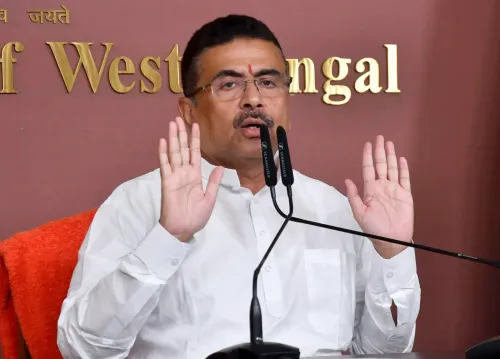
Attendees included West Bengal CM Suvendu Adhikari , Bihar Deputy CM Vijay Kumar Choudhary , and UP Jal Shakti Minister Swatantra Dev Singh , among others.
The Ganga Flood Control Board was constituted on 18 April 1972 and remains the apex Centre-state platform for Ganga basin flood management.
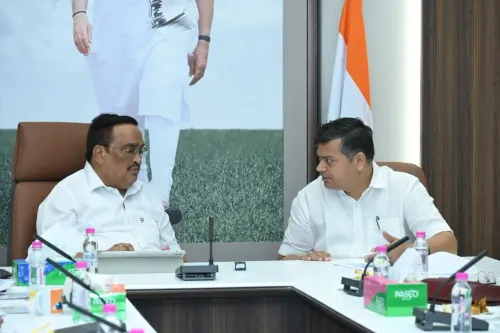
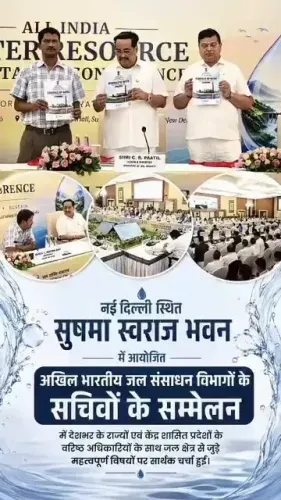
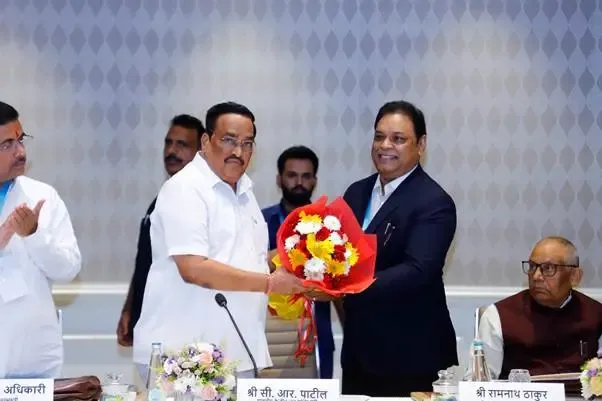
Union Jal Shakti Minister C.R. Patil on Tuesday, 28 October 2025, chaired the 19th meeting of the Ganga Flood Control Board (GFCB) in New Delhi, reviewing the planning and implementation of measures to tackle flood, erosion, and drainage problems across the Ganga basin. The high-level session brought together Chief Ministers, Union ministers, and senior officials from all Ganga basin states to deliberate on an integrated, technology-enabled approach to flood management.
Key Agenda Items at the GFCB Meeting
Minister Patil led detailed discussions on the preparation of risk-based basin Master Plans and an assessment of the adequacy of waterways and ventways under bridges across the Ganga basin. The meeting also examined ways to improve the quality of Detailed Project Reports (DPRs), ensure timely execution of flood management projects, and accelerate the application of modern technologies in flood risk mitigation.
Patil additionally stressed the importance of modern survey techniques, sound technical investigations, appropriate statutory clearances, and swift resolution of project implementation bottlenecks — issues that have historically delayed flood infrastructure rollouts in the region.
Centre-State Coordination at the Fore
The Union Minister underlined the need for stronger coordination among Union Ministries, state governments, and other stakeholders, particularly on questions of river morphology, drainage congestion, infrastructure development, and flood resilience. The meeting reaffirmed a commitment to an integrated, risk-informed, and technology-enabled approach to flood management, underpinned by effective Centre-state cooperation and improved technical standards.
Notable attendees included Suvendu Adhikari, Chief Minister of West Bengal; Ram Nath Thakur, Minister of State for Agriculture and Farmers Welfare; K.V. Raju, NITI Aayog member; Vijay Kumar Choudhary, Bihar Deputy Chief Minister and Water Resources Minister; Swatantra Dev Singh, Uttar Pradesh Jal Shakti Minister; along with representatives of all Ganga basin states and senior Central and state government officials.
About the Ganga Flood Control Board
The Ganga Flood Control Board, constituted by the Union government on 18 April 1972, is chaired by the Union Jal Shakti Minister and serves as the apex institutional platform for Centre-state cooperation on flood management across the Ganga basin. The board comprises representatives of the concerned Central Ministries and Chief Ministers of the Ganga basin states or their nominees. Er. Sher Singh, Chairman of the Ganga Flood Control Commission (GFCC), serves as its Member Secretary.
What Comes Next
The 19th meeting is expected to set the operational direction for updated basin Master Plans and a fresh round of DPR approvals. With the Ganga basin spanning multiple states and remaining among India's most flood-vulnerable river systems, the coordinated push for risk-based planning and modern technology adoption will be closely watched in the run-up to the next monsoon cycle.
Point of View
Yet the Ganga basin continues to face recurring, large-scale flood losses every monsoon season — which raises the question of whether institutional reviews are translating into on-ground outcomes. The emphasis on risk-based Master Plans and modern technology is overdue and welcome, but the devil will be in implementation timelines and DPR quality, both of which the meeting itself flagged as persistent problems. The presence of Chief Ministers from West Bengal, Bihar, and UP signals political will, but Centre-state coordination on river management has historically broken down at the project execution stage. The real test will come when funds are allocated and work orders are issued ahead of the 2026 monsoon.
NationPress
29 Oct 2026
Frequently Asked Questions
What was discussed at the 19th Ganga Flood Control Board meeting?
The 19th GFCB meeting, chaired by Jal Shakti Minister CR Patil on 28 October 2025, covered risk-based basin Master Plans, DPR quality, timely flood project implementation, and modern technology adoption. It also focused on Centre-state coordination on river morphology, drainage congestion, and flood resilience across the Ganga basin.
Who attended the 19th GFCB meeting?
The meeting was attended by West Bengal Chief Minister Suvendu Adhikari, Minister of State Ram Nath Thakur, NITI Aayog member K.V. Raju, Bihar Deputy CM Vijay Kumar Choudhary, UP Jal Shakti Minister Swatantra Dev Singh, and representatives of all Ganga basin states and Central government agencies.
What is the Ganga Flood Control Board?
The Ganga Flood Control Board is an apex institutional body constituted by the Union government on 18 April 1972 to strengthen Centre-state cooperation on flood management across the Ganga basin. It is chaired by the Union Jal Shakti Minister and has the GFCC Chairman as its Member Secretary.
Why is flood management in the Ganga basin important?
The Ganga basin spans several of India's most densely populated states and is among the country's most flood-prone river systems, with recurring monsoon floods causing significant loss of life and economic damage every year. Coordinated, technology-enabled planning is considered essential to reduce this risk sustainably.
What are the next steps after the GFCB meeting?
The meeting is expected to drive updated basin Master Plans and a fresh round of DPR approvals, with a focus on resolving implementation bottlenecks before the next monsoon cycle. Modern survey techniques and statutory clearance processes are also to be streamlined following the review.