DDA Yamuna restoration workshop: global best practices debated in Delhi
Synopsis
The DDA's first multi-stakeholder Yamuna workshop is more than a consultation — it is the opening move in a structured push to reframe river restoration as a shared civic mission. With the Delhi Yamuna Compact on the horizon and dialogue sessions planned for 2026 and 2027, the question is whether this platform can break the cycle of headline-driven clean-up drives that have repeatedly failed to reverse the river's decline.
Key Takeaways
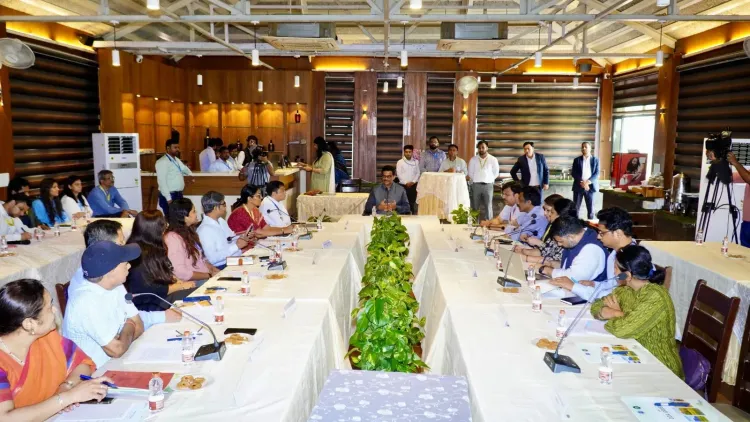
The Delhi Development Authority (DDA) held its first Stakeholder Consultation Workshop on 11 July 2025 as a precursor to the Yamuna Dialogues .
The workshop focused on two themes: Floodplain-Responsive Planning and Ghat Development , with national and international experts participating.
Lieutenant Governor T.S.
Sandhu , DDA Chairperson, called for making Delhi residents active partners in Yamuna's restoration rather than passive beneficiaries.
Two major Yamuna Dialogues sessions are proposed for September 2026 and January 2027 .
The sessions will deliberate on the Delhi Yamuna Compact — a comprehensive roadmap for Yamuna corridor restoration with agreed priorities and timelines.
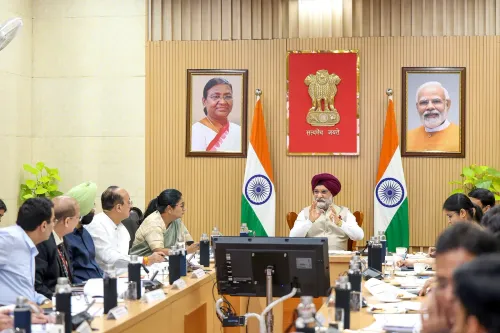
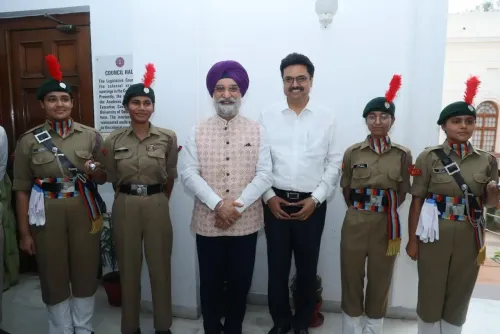
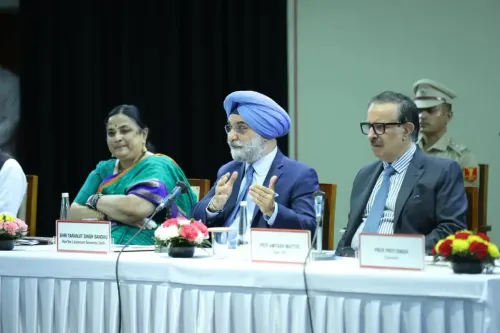
The Delhi Development Authority (DDA) on 11 July 2025 convened its first Stakeholder Consultation Workshop in the run-up to the Yamuna Dialogues, bringing together national and international experts, policymakers, scientists, urban planners, and landscape architects to deliberate on science-based approaches for the long-term restoration of the Yamuna river corridor in New Delhi. The initiative, organised in line with directions issued by Lieutenant Governor T.S. Sandhu, marks the first multi-stakeholder platform of its kind dedicated to shaping a sustainable future for the river's floodplains.
Key Themes on the Table
The workshop centred on two core discussion tracks: Floodplain-Responsive Planning and Ghat Development. Deliberations focused on designing public infrastructure that works in harmony with the river's natural flood cycles rather than against them. Participants also explored environmentally compatible ghat typologies capable of integrating ecological, cultural, recreational, and religious functions along the riverfront.
According to an official statement, the goal is to identify practical, scalable, and science-backed approaches for managing the Yamuna corridor — one of the most ecologically stressed urban river systems in the country.
What the Lieutenant Governor Said
Lieutenant Governor T.S. Sandhu, who also serves as Chairperson of the DDA, emphasised that Delhi's residents, alongside domain experts and other stakeholders, must be actively made partners in the river's rejuvenation. He underlined that the restoration of the Yamuna — particularly its floodplains — should evolve into a shared civic mission rather than a government-led exercise alone.
Sandhu had previously undertaken preliminary visits to the Yamuna floodplains and held review meetings with senior DDA officials, during which he issued directions for tackling river pollution through a multi-dimensional approach. He noted that the floodplains remain openly accessible to the public and that any restoration plan must account for the actual usage patterns they are subjected to. He also stressed that existing domestic and global best practices should serve as guiding benchmarks.
About the Yamuna Dialogues
The Yamuna Dialogues have been conceived by the DDA as a collaborative platform to discuss nature-based solutions for floodplain management, explore innovative financing mechanisms for large-scale ecological infrastructure, and align ongoing efforts with climate resilience and urban sustainability frameworks. The initiative aims to facilitate knowledge exchange, strategic partnerships, and the identification of solutions suited to the Yamuna's unique ecological and urban context.
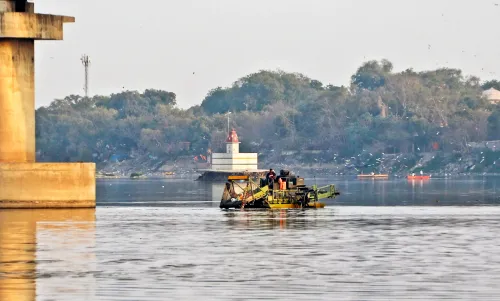
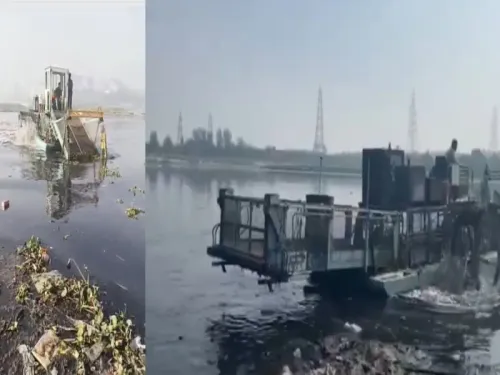
This comes amid growing concern over the Yamuna's deteriorating water quality and shrinking floodplain ecosystem — a challenge that has persisted despite multiple government-led clean-up drives over the past three decades.
What Comes Next
The Yamuna Dialogues are proposed to culminate in two major dialogue sessions — one in September 2026 and another in January 2027. These sessions are expected to deliberate upon and finalise the Delhi Yamuna Compact, described as a comprehensive roadmap outlining agreed priorities, implementation strategies, and timelines for the restoration of the Yamuna corridor. The compact, if adopted, could represent the most structured multi-stakeholder commitment to Yamuna restoration in recent memory.
Point of View
And the gap between expert consensus and on-ground implementation remains wide. The real test of the Yamuna Dialogues will be whether the Delhi Yamuna Compact carries enforceable timelines and independent monitoring, or whether it becomes another well-documented roadmap that collects dust. Lieutenant Governor Sandhu's insistence on civic co-ownership is the right framing; the harder question is accountability when milestones slip.
NationPress
10 Oct 2026
Frequently Asked Questions
What is the DDA Yamuna Stakeholder Consultation Workshop?
It is the first multi-stakeholder workshop organised by the Delhi Development Authority on 11 July 2025, aimed at gathering national and international expertise on science-based approaches for the long-term restoration of the Yamuna river corridor. The workshop is a precursor to the larger Yamuna Dialogues platform.
What is the Yamuna Dialogues initiative?
The Yamuna Dialogues is a collaborative platform conceived by the DDA to discuss nature-based floodplain solutions, explore innovative financing for ecological infrastructure, and align restoration efforts with climate resilience frameworks. It will culminate in two major dialogue sessions in September 2026 and January 2027.
What is the Delhi Yamuna Compact?
The Delhi Yamuna Compact is a comprehensive roadmap to be deliberated and finalised at the Yamuna Dialogues sessions in 2026 and 2027. It is intended to outline agreed priorities, implementation strategies, and timelines for restoring the Yamuna corridor.
What role did Lieutenant Governor T.S. Sandhu play in this initiative?
Lieutenant Governor T.S. Sandhu, who is also the Chairperson of the DDA, directed the organisation of the workshop and has previously visited the Yamuna floodplains and held review meetings with senior DDA officials. He has called for a multi-dimensional approach to tackling river pollution and stressed that restoration must be a shared civic mission involving residents and experts.
What were the key topics discussed at the workshop?
The workshop focused on two themes: Floodplain-Responsive Planning — designing infrastructure that works with the river's natural flood cycles — and Ghat Development, exploring ecologically compatible ghat typologies that serve ecological, cultural, recreational, and religious functions.