Delhi HC upholds DTC conductor's reinstatement after 32-year dismissal

Synopsis
Three decades after his dismissal, a DTC conductor wins reinstatement — not because he was proven innocent, but because the DTC failed to prove him guilty. The Delhi High Court's ruling is a pointed reminder that procedural fairness in disciplinary inquiries is not optional, and that cash-verification gaps can unravel even long-settled dismissal orders.
Key Takeaways
The Delhi High Court Division Bench of Chief Justice Devendra Kumar Upadhyaya and Justice Tejas Karia upheld the reinstatement of DTC conductor Ram Avtar Sharma , dismissed in 1994 .
The dismissal stemmed from a April 1992 vigilance check in which 10 passengers were allegedly found travelling without tickets.
The court ruled the DTC failed to prove misconduct due to inconsistent passenger statements and the absence of cash verification at the time of inspection.
The disciplinary inquiry was held vitiated for multiple breaches of natural justice, including non-supply of key documents and use of past service record without opportunity to rebut.
Reinstatement is granted with continuity of service, seniority, pension, and gratuity — but without back wages , given Sharma's adverse prior service record.
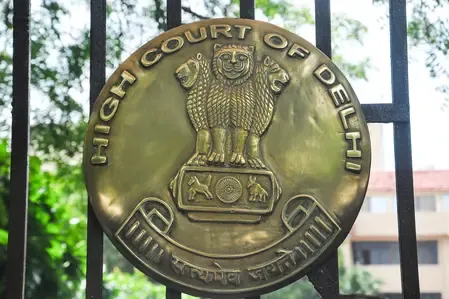
The Delhi High Court has upheld the reinstatement of a Delhi Transport Corporation (DTC) conductor dismissed over three decades ago on charges of collecting fares without issuing tickets, ruling that the disciplinary inquiry was vitiated by violations of natural justice and that misconduct was not established through reliable evidence. The judgment, delivered by a Division Bench, brings closure to a legal battle that began with a vigilance check in April 1992.
Background: A 1992 Vigilance Check and a 1994 Dismissal
The case originated from a routine vigilance inspection during which 10 passengers were allegedly found travelling without tickets despite having paid their fares to the conductor, Ram Avtar Sharma. Acting on the findings of squad members and the recovery of unpunched tickets, the DTC removed Sharma from service in 1994. The dismissal followed a departmental inquiry that Sharma subsequently challenged before the labour court.
The labour court ruled in Sharma's favour, directing his reinstatement with continuity of service for seniority, pension, gratuity, and other consequential benefits — though without back wages. A single judge of the Delhi High Court later upheld that order, and the DTC escalated the matter to the Division Bench.
What the Division Bench Found
A Division Bench of Chief Justice Devendra Kumar Upadhyaya and Justice Tejas Karia dismissed the DTC's appeal, affirming that the corporation had failed to discharge its burden of proof. The bench noted that passenger statements were riddled with material inconsistencies and lacked crucial details regarding travel routes and fares paid. Critically, no statement had been recorded from one group of passengers allegedly travelling without tickets.
'In such circumstances, and in the absence of verification of the cash in the respondent's possession, the DTC cannot be said to have discharged its burden of proving the charge of 'misconduct' by reliable and consistent evidence,' the bench observed.
The court also cited its earlier ruling in DTC v. Shyam Singh, reiterating that failure to verify the cash held by a conductor at the time of inspection materially weakens allegations of fare misappropriation.
Natural Justice Violations: A Flawed Inquiry
Beyond evidentiary gaps, the bench held that the disciplinary proceedings were marred by multiple breaches of natural justice. The court found that key documents — including the logbook and passenger statements — were not supplied to Sharma. He was merely permitted to inspect the statements, which the bench explicitly rejected as an inadequate substitute for furnishing copies.
'The statements of passengers were not supplied to the Respondent; he was merely permitted to inspect the same, which cannot be regarded as an adequate substitute for the furnishing of copies,' the judgment stated.
The court further faulted the DTC for invoking Sharma's past service record to impose a harsher punishment without giving him an opportunity to explain or rebut those entries. 'The reliance upon a person's past record for the purpose of imposing a more severe punishment, without granting such person an opportunity to address the same, constitutes a settled infraction of the principles of natural justice,' the bench noted.
Reinstatement Without Back Wages
While sustaining reinstatement with continuity of service and all consequential service benefits, the Delhi High Court endorsed the denial of back wages. The bench cited Sharma's adverse past service record — which included earlier warnings and penalties for ticketing-related lapses — as the basis for this limitation. The court concluded that the labour court and the single judge had correctly appreciated both the factual matrix and the applicable legal principles.
What This Ruling Signals
The judgment reinforces the courts' consistent stance that public sector disciplinary proceedings must meet a high evidentiary threshold and scrupulously observe procedural fairness. This is notably the second Division Bench ruling in recent years to flag cash-verification failures in DTC conductor dismissals as a fatal evidentiary gap. For the DTC and similar transport bodies, the ruling underscores that reliance on squad-member testimony alone — without corroborating financial verification — is unlikely to survive judicial scrutiny. Sharma's reinstatement, decades after his removal, now takes effect with full service continuity.
Point of View
Not an isolated oversight. For transport and public sector bodies, the real takeaway is structural: squads conducting vigilance checks must follow a forensically sound protocol, or dismissals will continue to unravel years later at enormous cost to both the institution and the employee.
NationPress
15 Sept 2026
Frequently Asked Questions
Why did the Delhi High Court reinstate the DTC conductor after 32 years?
The Delhi High Court reinstated conductor Ram Avtar Sharma because the DTC failed to prove the charge of misconduct through reliable evidence, and the disciplinary inquiry was found to have violated principles of natural justice. Key failures included inconsistent passenger statements, absence of cash verification, and non-supply of documents to the employee.
What natural justice violations did the court identify in the DTC inquiry?
The court identified two primary violations: the DTC did not supply copies of passenger statements and the logbook to Sharma — merely allowing inspection was held insufficient — and it relied on his past service record to impose a harsher punishment without giving him a chance to respond to those entries.
Will Ram Avtar Sharma receive back wages along with reinstatement?
No. While the court upheld reinstatement with full continuity of service, seniority, pension, and gratuity, it endorsed the denial of back wages. The bench cited Sharma's adverse prior service record, which included earlier warnings and penalties for ticketing-related lapses, as justification for this limitation.
What was the significance of the cash-verification issue in this case?
The court held that the DTC's failure to verify the cash in Sharma's possession at the time of the April 1992 vigilance inspection was a critical evidentiary gap. Without this verification, allegations of fare misappropriation could not be substantiated. The bench cited an earlier ruling in DTC v. Shyam Singh to reinforce this principle.
What does this ruling mean for future DTC disciplinary proceedings?
The ruling signals that DTC and similar public sector bodies must ensure disciplinary inquiries meet a high evidentiary threshold and follow procedural fairness strictly. Reliance on squad-member testimony without corroborating financial verification, and failure to supply documents to the accused employee, are likely to invalidate dismissal orders in future cases as well.