Delhi rooftop solar up to 3 kW at zero upfront cost for eligible homes
Synopsis
Delhi households using up to 400 units a month can now get a rooftop solar system installed without paying a single rupee upfront — the Rekha Gupta government is covering the gap between the Central subsidy and actual installation cost. For the city's lowest-consumption homes, this stacks on top of an existing 100% electricity subsidy, potentially wiping out their power bills entirely.
Key Takeaways
Delhi CM Rekha Gupta announced on 1 September that rooftop solar systems up to 3 kW will be installed at zero upfront cost for eligible domestic consumers.
Consumers with average consumption up to 400 units in FY 2025-26 are eligible under the second amendment to the Delhi Solar Energy Policy-2023 .
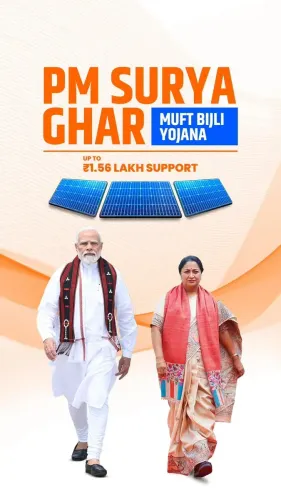
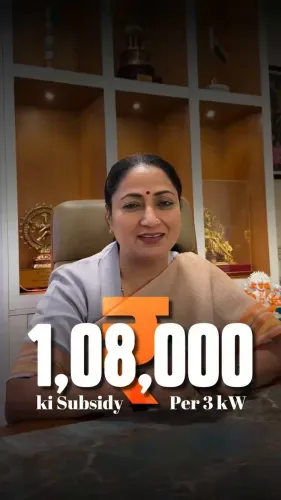
A combined subsidy of ₹1,56,000 — ₹78,000 each from the Centre and Delhi government — covers installation; any remaining cost is topped up by the Delhi government.
Consumers using up to 200 units retain their existing 100% electricity subsidy and additionally earn an energy-saving incentive.
Installing vendors must provide mandatory operation and maintenance for five years ; consumers may extend coverage for the system's full 25-year lifetime through discoms.
Surplus power exported to the grid will be paid at the discom's average power purchase cost , with benefits reflected via net metering .
Chief Minister Rekha Gupta on Tuesday, 1 September announced that rooftop solar systems of up to 3 kW will be installed at zero upfront cost for domestic consumers in Delhi with average electricity consumption of up to 400 units in FY 2025-26. The decision, introduced through the second amendment to the Delhi Solar Energy Policy-2023, is designed to remove the financial barrier that had previously deterred ordinary households from adopting solar power.
How the Zero-Cost Model Works
Under the revised policy, eligible consumers will receive a combined subsidy of ₹78,000 from the Central government under the PM Surya Ghar: Muft Bijli Yojana and a matching capital subsidy of ₹78,000 from the Delhi government. Where the combined subsidy falls short of the tendered installation cost, the Delhi government will cover the remaining difference through an additional top-up, ensuring consumers pay nothing at the outset.
Previously, households had to make an upfront payment and wait for incentives to arrive in subsequent years — an arrangement that deterred many from participating. The new model front-loads all financial assistance, shifting the economic burden away from the consumer entirely.
Benefits for Low-Consumption Households
Consumers using up to 200 units per month stand to gain the most. They will continue to receive the existing 100 per cent electricity subsidy even after the solar system is installed, and will additionally earn an energy-saving incentive on the electricity they conserve. Surplus solar power fed back into the grid will be compensated at the discom's average power purchase cost, turning households into active participants in electricity generation.
A standard 3 kW rooftop system can generate approximately 300 units of electricity per month. A family consuming 200 units could export the remaining 100 units to the grid, earning revenue in the process. Net metering benefits will be reflected directly on monthly electricity bills.
Maintenance and Long-Term Assurance
To address concerns about post-installation upkeep, the policy mandates that the installing vendor operate and maintain the solar system for a minimum of five years at no additional cost to the consumer. Thereafter, consumers will have the option — routed through the discoms — to continue maintenance coverage for the full 25-year operational lifetime of the system.
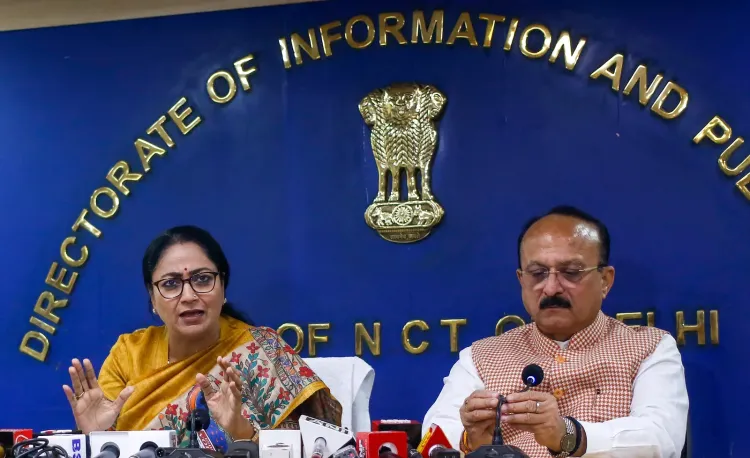
Energy Minister Ashish Sood was present at the press conference held at the Delhi Secretariat, where the Chief Minister announced the details of the amendment.
Policy Context and What Comes Next
The amendment aligns Delhi's solar push with the Centre's broader PM Surya Ghar programme, which targets widespread rooftop solar adoption across India. Notably, Delhi's existing electricity subsidy framework remains intact — eligible consumers will benefit from both the subsidy and the solar savings simultaneously, a combination that could significantly reduce or eliminate monthly electricity bills for lower-consumption households.
With implementation details now public, attention will turn to how quickly discoms can onboard vendors and begin installations at scale across the capital.
Point of View
But the real bottleneck will be vendor capacity and discom readiness to process net-metering connections at scale. Delhi's power distribution infrastructure has historically struggled with rapid rollout demands. If the installation pipeline clogs, the headline promise of free solar will remain aspirational for the very households it is meant to serve.
NationPress
17 Oct 2026
Frequently Asked Questions
Who is eligible for the free rooftop solar installation in Delhi?
Domestic consumers in Delhi with an average electricity consumption of up to 400 units per month in FY 2025-26 are eligible for a rooftop solar system of up to 3 kW at zero upfront cost. The scheme is part of the second amendment to the Delhi Solar Energy Policy-2023 announced on 1 September.
How does the zero upfront cost work — who pays for the installation?
The installation cost is covered by a combined subsidy of ₹78,000 from the Central government under PM Surya Ghar: Muft Bijli Yojana and a matching ₹78,000 from the Delhi government. If the total subsidy is still short of the tendered cost, the Delhi government covers the remaining difference through an additional top-up, leaving the consumer with nothing to pay at the outset.
Will the existing Delhi electricity subsidy continue after solar installation?
Yes. Consumers using up to 200 units per month will continue to receive the existing 100% electricity subsidy even after their rooftop solar system is installed. They will also earn an additional energy-saving incentive on electricity conserved through solar generation.
What happens to surplus solar electricity generated by the system?
Surplus electricity exported to the grid will be compensated at the discom's average power purchase cost. Consumers will benefit from net metering, with payments reflected directly on their monthly electricity bills, effectively allowing households to earn from excess generation.
Who maintains the solar system after installation?
The vendor that installs the system is mandatorily required to operate and maintain it for five years at no additional cost to the consumer. After that period, consumers can opt — through the discoms — to continue maintenance coverage for the system's full 25-year operational lifetime.