CM Rekha Gupta Pushes ₹1.56 Lakh Solar Subsidy for Delhi Homes
Synopsis
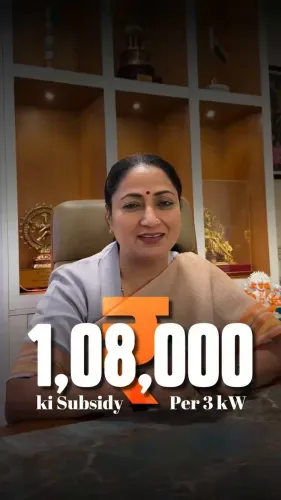
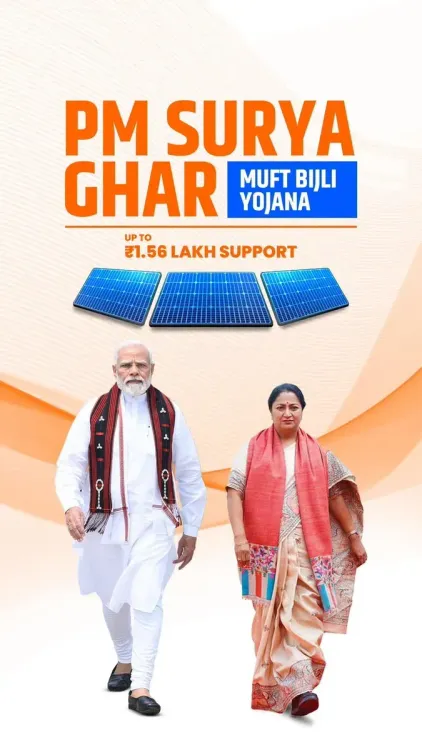
Delhi Chief Minister Rekha Gupta has promoted a ₹1.56 lakh government subsidy for 3 kW rooftop solar systems, urging residents to register at solar.delhi.gov.in, generate their own electricity, and feed surplus power back to the grid through net metering under the Seva Sankalp Abhiyan campaign.
Key Takeaways
₹1.56 lakh in government support is available for a 3 kW rooftop solar system for Delhi homeowners.
Applications and registrations are handled through the official portal solar.delhi.gov.in .
Net metering allows residents to send surplus electricity back to the grid and earn bill credits.
The promotion was made under the #SevaSankalpAbhiyan campaign by Delhi CM Rekha Gupta on 26 September 2026 .
Delhi's rooftop solar framework traces back to the city's Solar Policy of 2016 and India's national solar mission launched in 2010 .
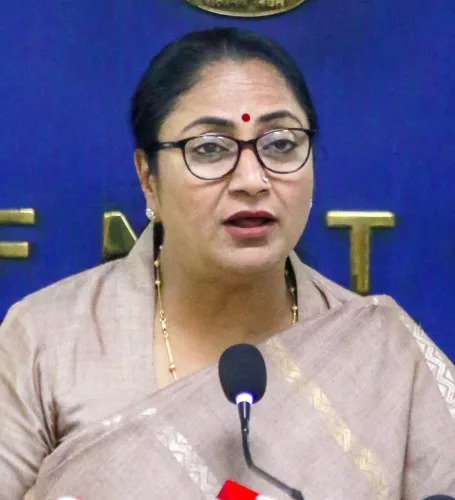
Delhi's electricity bills could shrink — and rooftops could start earning — if the city's latest solar push gains traction. Delhi Chief Minister Rekha Gupta on Saturday, 26 September 2026, urged city residents to tap a government subsidy of up to ₹1.56 lakh for installing a 3 kW rooftop solar system, directing them to the official portal solar.delhi.gov.in to get started.
What the ₹1.56 Lakh Offer Actually Covers
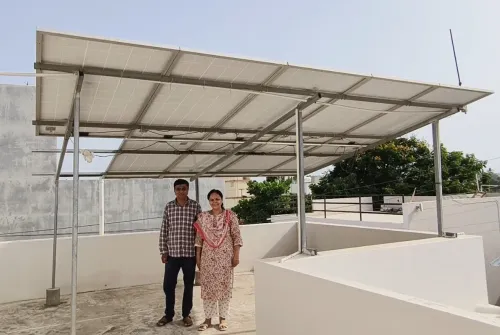
The scheme is built around three pillars: cut what you pay to the grid, generate your own clean electricity, and sell what you don't use back through net metering. A 3 kW rooftop system is typically sufficient to meet a mid-sized Delhi household's daytime load — running fans, lights, a refrigerator, and a modest air-conditioning cycle. The subsidy bridges the upfront cost that has historically kept urban households on the fence about solar adoption.
CM Gupta framed the pitch in plain terms: 'Clean energy for your home, savings for years and a greener Delhi.' The message was shared under the #SevaSankalpAbhiyan campaign — Seva Sankalp Abhiyan (Campaign of Service and Resolve) — a BJP-aligned outreach drive connecting government schemes to citizens at the grassroots.
Delhi Solar Policy and the National Grid Behind It
Delhi's push did not begin in 2026. The city notified its Solar Policy in 2016, establishing the legal and regulatory framework for rooftop installations and net metering across the capital. That state policy sits within a larger national architecture: India's Jawaharlal Nehru National Solar Mission, launched in 2010, set the ambition to scale distributed rooftop generation alongside utility-scale solar farms.
Together, the two frameworks created the pipeline through which subsidies flow from the central government, are topped up at the state level, and land on individual homeowners' rooftops. Saturday's post is the latest activation in a long implementation chain — but the specific subsidy figure of ₹1.56 lakh per 3 kW unit represents the current top line available to eligible Delhi residents.
Net Metering: Turning Your Roof Into a Revenue Source
The net metering angle is perhaps the sharpest consumer hook. Under net metering rules, surplus electricity a household generates but does not consume is fed back to the distribution grid, and the homeowner receives a credit against future bills. In a city like Delhi — with long, intense summers and high solar irradiance — a 3 kW system can generate meaningful surplus during peak daytime hours when households are often at work and demand inside the home is low.
Uptake through solar.delhi.gov.in in the coming months will be the real measure of whether this campaign moves the needle on the capital's rooftop solar capacity — or remains another well-intentioned announcement waiting for takers.
Point of View
Promoting a tangible consumer benefit like an energy-bill reduction carries clear electoral and governance optics. The Seva Sankalp Abhiyan framing ties individual household savings to a broader narrative of service delivery, a recurring BJP campaign strategy. The real test, however, is whether the solar.delhi.gov.in portal can process a meaningful surge in applications — past state solar drives have often stalled at the subsidy-disbursement and grid-synchronisation stage, not at citizen interest.
NationPress
26 Sept 2026
Frequently Asked Questions
How much subsidy does the Delhi government give for rooftop solar?
Delhi Chief Minister Rekha Gupta has announced government support of ₹1.56 lakh for a 3 kW rooftop solar system . Residents can apply through solar.delhi.gov.in .
How do I apply for the Delhi rooftop solar scheme?
Applications for the Delhi rooftop solar subsidy are processed through the official portal solar.delhi.gov.in , as directed by CM Rekha Gupta in her September 2026 announcement.
What is net metering and how does it work in Delhi?
Net metering allows Delhi homeowners with rooftop solar panels to send surplus electricity back to the distribution grid and receive credits against their future electricity bills, reducing overall energy costs.
What is Seva Sankalp Abhiyan?
Seva Sankalp Abhiyan ( Campaign of Service and Resolve ) is an outreach campaign under which the Delhi BJP government has been promoting welfare and infrastructure schemes directly to citizens, including the rooftop solar subsidy drive.
When did Delhi launch its solar policy?
Delhi notified its Solar Policy in 2016 , establishing the framework for rooftop solar installations and net metering, which underpins the subsidy schemes being promoted today.