Birsa Munda: Delhi Speaker Vijender Gupta hails tribal icon's legacy
Synopsis
At a national seminar in New Delhi, Delhi Assembly Speaker Vijender Gupta reframed Birsa Munda not merely as a freedom fighter but as the architect of a tribal cultural renaissance — one whose insistence on linking rights with cultural preservation remains as urgent today as it was under colonial rule.
Key Takeaways
Delhi Assembly Speaker Vijender Gupta addressed a National Seminar on Birsa Munda on 6 June in New Delhi .
The seminar was organised by the Museums Association of India , bringing together historians, archaeologists, and scholars.
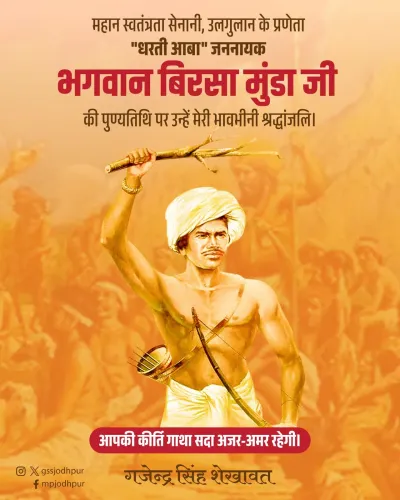
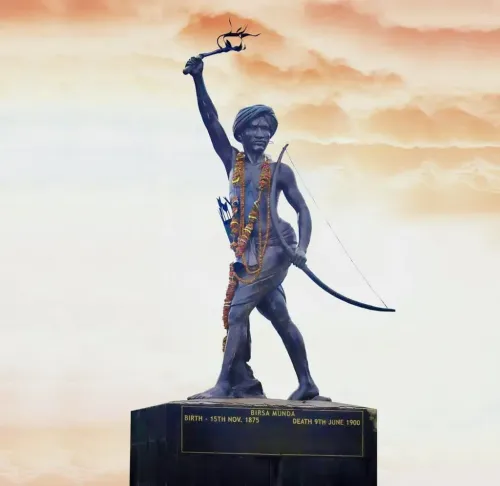
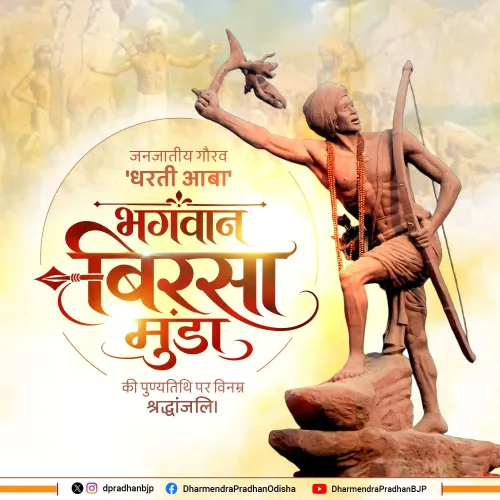
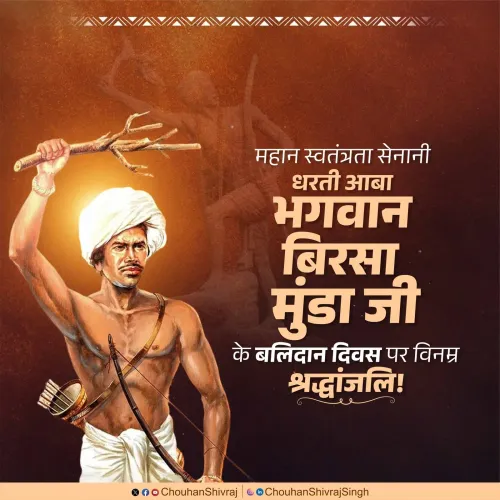
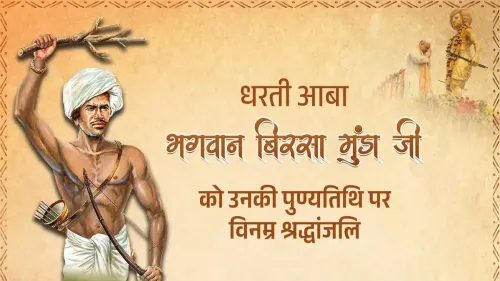
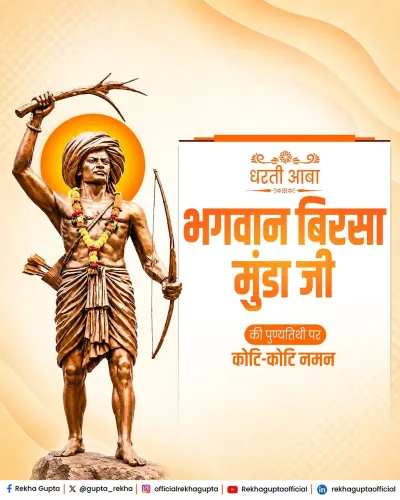
Gupta described Bhagwan Shri Birsa Munda , revered as Dharti Aaba , as a symbol of tribal self-respect, cultural identity, and social awakening.
He highlighted tribal communities as custodians of forests, biodiversity, and sustainable living — contributions long underrepresented in mainstream narratives.
The Speaker welcomed efforts such as Janjatiya Gaurav Diwas as steps toward a more inclusive reading of India's history.
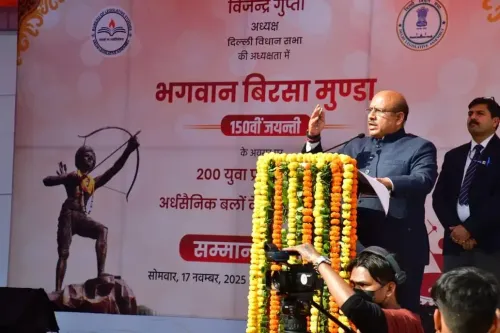
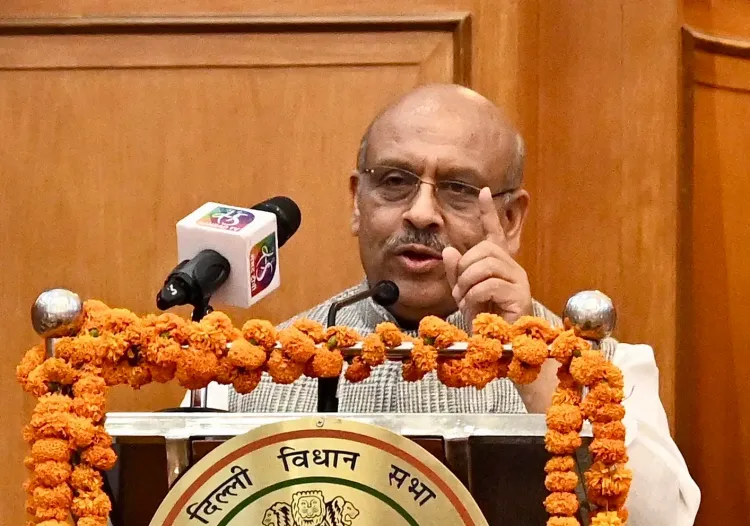
Delhi Assembly Speaker Vijender Gupta on Saturday, 6 June described Bhagwan Shri Birsa Munda as occupying a unique and enduring place in India's national consciousness, calling him far more than a freedom fighter — a symbol of self-respect, cultural identity, and social awakening for tribal communities across the country.
Key Remarks at the National Seminar
Gupta was addressing a National Seminar on 'Bhagwan Shri Birsa Munda, Cultural Renaissance in Tribal India and His Representation in Museums', organised by the Museums Association of India in New Delhi. The gathering brought together museum professionals, historians, archaeologists, scholars, and researchers to deliberate on Birsa Munda's legacy and the role of museums in preserving tribal heritage.
Gupta said that Birsa Munda, revered as Dharti Aaba (Father of the Earth), led a movement that went beyond anti-colonial resistance — it was, he argued, a determined assertion of cultural identity, traditional institutions, and indigenous ways of life. 'His legacy reminds us that protecting rights and preserving culture are inseparable,' Gupta said.
Tribal Heritage and the Cultural Renaissance
The Speaker observed that at a time when tribal communities faced economic exploitation, social disruption, and the erosion of established traditions, Birsa Munda inspired a renewed sense of dignity and cultural consciousness. According to Gupta, the cultural renaissance associated with Birsa Munda lay in restoring confidence among tribal communities in their own history, knowledge traditions, and cultural values.
Gupta highlighted the richness of India's tribal heritage, noting that these communities possess a remarkable legacy of oral literature, folk traditions, music, art, ecological knowledge, and social practices developed across generations. He described these not as relics of the past but as living cultural expressions that continue to enrich India's social fabric.
Tribal Communities as Environmental Custodians
The Speaker further noted that tribal communities have long served as custodians of forests, biodiversity, and sustainable modes of living — making their knowledge systems especially relevant amid contemporary environmental challenges and rapid technological change. He said these contributions had remained insufficiently represented in mainstream historical narratives for decades.
Calls for Inclusive Historical Recognition
Welcoming ongoing efforts to honour tribal freedom fighters — including the commemoration of Janjatiya Gaurav Diwas and documentation of tribal heritage — Gupta described them as important steps toward building a more inclusive understanding of India's history. He said museums have a critical role to play in ensuring that tribal histories are preserved and presented to future generations.
The seminar underscores a broader national conversation about representation, with institutions increasingly being called upon to centre tribal voices and legacies in India's cultural memory.
Point of View
But in whether tribal land rights, forest access, and cultural autonomy are protected in practice. Representation in museums matters; so does representation in law.
NationPress
21 Sept 2026
Frequently Asked Questions
Who is Bhagwan Shri Birsa Munda?
Bhagwan Shri Birsa Munda was a tribal freedom fighter and cultural leader from the Jharkhand region, revered as Dharti Aaba (Father of the Earth). He led a movement against British colonial rule in the late 19th century that combined political resistance with a revival of tribal cultural identity and traditions.
What was the national seminar on Birsa Munda about?
The seminar, titled 'Bhagwan Shri Birsa Munda, Cultural Renaissance in Tribal India and His Representation in Museums', was organised by the Museums Association of India in New Delhi on 6 June. It brought together historians, archaeologists, museum professionals, and researchers to discuss Birsa Munda's legacy and the role of museums in preserving tribal heritage.
What did Delhi Speaker Vijender Gupta say about Birsa Munda?
Gupta called Birsa Munda a symbol of self-respect, cultural identity, and social awakening, arguing that his movement went beyond anti-colonial resistance to protect tribal cultural institutions and indigenous ways of life. He said Birsa Munda's legacy demonstrates that protecting rights and preserving culture are inseparable.
What is Janjatiya Gaurav Diwas?
Janjatiya Gaurav Diwas is a national day commemorating tribal freedom fighters, observed on 15 November — the birth anniversary of Birsa Munda. Delhi Speaker Vijender Gupta cited its observance as an important step toward building a more inclusive understanding of India's history.
Why does tribal heritage matter to India's cultural narrative?
Tribal communities have contributed oral literature, folk traditions, ecological knowledge, and sustainable land practices developed over generations. According to Gupta, these living cultural expressions enrich India's social fabric, yet tribal histories and freedom struggles remained underrepresented in mainstream narratives for decades.