ECI Implements Strict Media Regulations for Bengal and Tamil Nadu Elections
Synopsis
As the Assembly elections approach on April 23, the ECI has set stringent guidelines for media access at polling stations in West Bengal and Tamil Nadu, focusing on maintaining the integrity of the electoral process.
Key Takeaways
The ECI has established strict media access protocols for the upcoming elections.
Photography and videography are prohibited in voting compartments.
Media personnel must apply for Authority Letters through designated channels.
Authorized media are classified as essential services.
Verification processes aim to uphold electoral integrity.
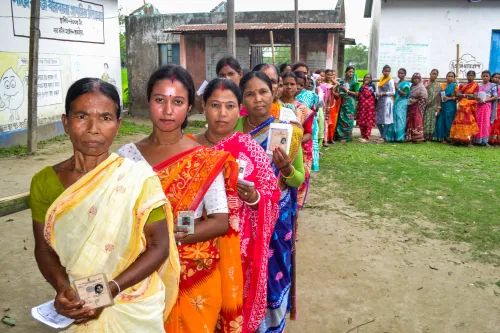
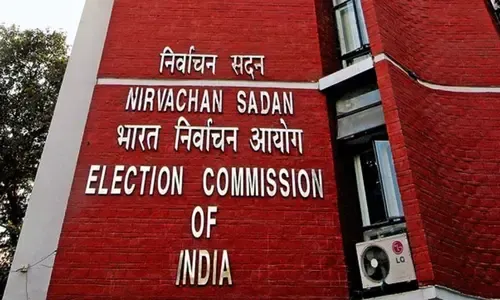
New Delhi, April 18 (NationPress) In anticipation of the Assembly elections scheduled for April 23 in West Bengal and Tamil Nadu, the Election Commission of India (ECI) announced on Saturday that the entrance of media personnel into polling stations will be meticulously managed by the presiding officers.
“The misuse of Authority Letters is absolutely forbidden. Additionally, photography and videography within the voting compartment are strictly prohibited to safeguard the secrecy of the vote,” the ECI stated in an official announcement.
The ECI clarified that, as per Rule 32 of the Conduct of Election Rules, 1961, presiding officers will hold the authority to oversee media access to polling locations.
Media personnel seeking Authority Letters for entry must submit requests to the Press Information Bureau (PIB) and the Chief Electoral Officers (CEOs) through the State Directorate of Information and Public Relations (DIPR), according to the statement.
The ECI emphasized that media personnel authorized for coverage on election day are classified as essential services and are eligible for postal ballot provisions at the Postal Voting Centre (PVC).
Following verification and approval, the compiled list of recommended media individuals is sent by the CEO to the Commission for final endorsement.
Authority Letters are only issued after proper validation by the CEO/DEO or an authorized official. The Commission has mandated that no facsimile or rubber stamp shall be employed in this process to ensure authenticity and integrity, as stated.
The ECI reiterated that the multi-tier media verification system aims to guarantee that only verified and authorized individuals gain access to polling stations and counting centers, thereby ensuring the integrity, security, and orderly conduct of the electoral process.
Point of View
The ECI's regulations reflect a commitment to preserving the integrity of the electoral process while balancing media freedom. Ensuring that only authorized personnel can access polling stations is crucial in maintaining order during these significant democratic events.
NationPress
19 Sept 2026
Frequently Asked Questions
What are the new media regulations for the elections?
The ECI has mandated that media entry into polling stations is to be strictly regulated by presiding officers, with no photography or videography allowed inside the voting compartments.
How can media personnel obtain Authority Letters?
Media personnel must request Authority Letters through the Press Information Bureau and the Chief Electoral Officers via the State Directorate of Information and Public Relations.
Are media personnel considered essential services?
Yes, authorized media personnel for election day coverage are classified as essential services and are entitled to postal ballot facilities.
How is the authenticity of Authority Letters ensured?
Authority Letters are issued only after proper validation by the CEO/DEO or an authorized officer, with no use of facsimiles or rubber stamps.
What is the purpose of the media verification process?
The multi-level media verification process is implemented to ensure that only duly verified and authorized personnel are granted access to polling stations and counting centers.