West Bengal Voter Count Experiences First Decline Since 2011 Surge
Synopsis
In a surprising turn, West Bengal's voter numbers have dropped for the first time since 2011, following a period of steady growth. This decline comes after the Special Intensive Revision (SIR) concluded, sparking discussions on electoral integrity and the impact of recent changes.
Key Takeaways
First decline in voters since 2011 in West Bengal.
Significant increase in voter count from 5.62 crore in 2011 to 7.60 crore in 2024.
The SIR process led to the removal of bogus and duplicate voters .
Political analysts express concern over electoral integrity .
Upcoming Assembly polls may be influenced by this unexpected drop .
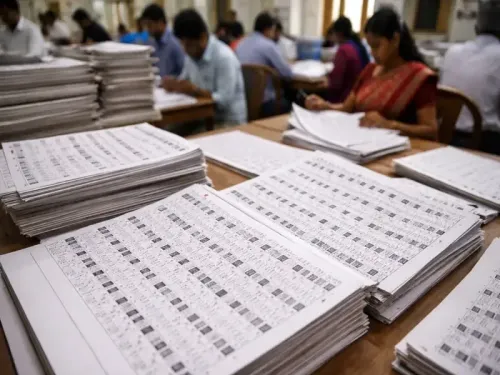
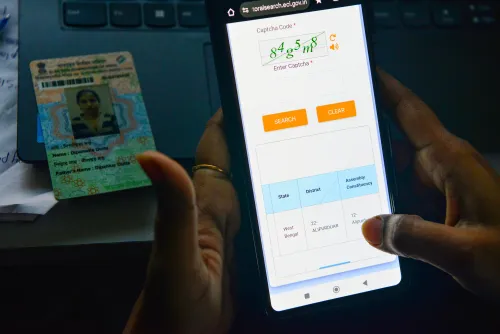
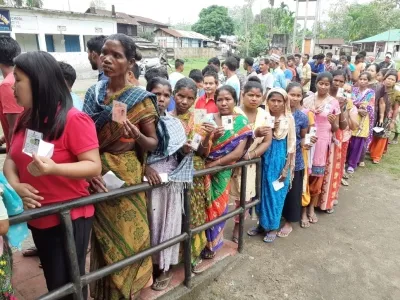
Kolkata, April 8 (NationPress) The Special Intensive Revision (SIR) process in West Bengal has officially concluded with the release of the final supplementary list. Statistical analysis reveals that this is the first occurrence of a decline in the voter count in the state, following a consistent and significant rise since 2011, the pivotal year that saw the end of the 34-year Left Front administration and the beginning of governance by the Mamata Banerjee-led Trinamool Congress.
According to the Chief Electoral Officer (CEO) of West Bengal, in the transformative year of 2011, the state had approximately 5.62 crore voters during the Assembly elections.
By 2014, during the Lok Sabha elections, the voter count surged to about 6.27 crore. During this period, opposition parties in West Bengal raised concerns that while new and first-time voters were being added to the electoral rolls, the names of “deceased”, “shifted”, “missing”, and “duplicate” voters remained unremoved.
In 2016, when the state held Assembly elections, leading to a more substantial majority for the Trinamool Congress, the number of voters rose to roughly 6.58 crore.
The trend continued in 2019, with the Lok Sabha elections seeing an increase to 6.98 crore voters, which further escalated to 7.33 crore in 2021, marking the Trinamool Congress's third consecutive term.
Eventually, during the 2024 Lok Sabha elections, the voter base climbed to 7.60 crore.
Data from the CEO’s office indicates that between 2011 and 2024, there was a consistent uptrend in voter numbers, with no recorded declines. However, following the SIR that commenced in November last year and concluded this month, the voter base in West Bengal fell to 6.75 crore.
Political analysts believe the continuous growth in voter numbers from 2011 to 2024 implies that while new voters were consistently added, there was insufficient removal of “deceased”, “shifted”, “missing”, “duplicate”, and even “bogus” voters from the lists.
“This time, during the SIR process, there has been a comprehensive deletion of ‘deceased’, ‘shifted’, ‘missing’, ‘duplicate’, and ‘bogus’ voters, which has led to this significant drop in the total voter count, especially with the two-phase Assembly elections approaching later this month,” noted a local political analyst.
Point of View
The decline in West Bengal's voter count marks a critical juncture in the state's electoral history. This unexpected dip raises questions about the integrity of voter registration processes and the political landscape ahead, particularly with the upcoming elections. The focus must remain on ensuring transparency and accuracy in the electoral system.
NationPress
10 Oct 2026
Frequently Asked Questions
What caused the decline in voter numbers in West Bengal?
The decline is attributed to the Special Intensive Revision (SIR) process, which involved a large-scale removal of 'deceased', 'shifted', 'missing', 'duplicate', and 'bogus' voters from the electoral rolls.
How many voters were registered in West Bengal before the decline?
Prior to the decline, West Bengal had approximately 7.60 crore registered voters during the 2024 Lok Sabha elections.
Why is the voter count significant in West Bengal?
The voter count is crucial as it reflects the political engagement of the populace and can influence election outcomes, particularly in a politically dynamic state like West Bengal.
What were the voter numbers in previous elections?
The voter numbers rose from 5.62 crore in 2011 to 7.60 crore in 2024, showing a consistent increase until the recent decline.
What implications does this decline have for upcoming elections?
The decline could affect electoral strategies and outcomes, as political parties may need to adjust their approaches in light of the reduced voter base.