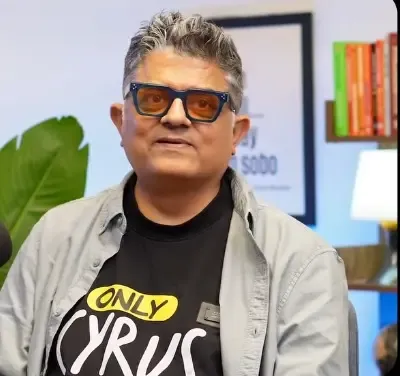
Gajraj Rao warns Diwali firecracker smoke causes irreversible lung damage
Synopsis
Gajraj Rao's sarcastic Instagram warning about irreversible lung damage from firecracker smoke lands against hard data: Mumbai's AQI jumped 28% post-Diwali to 171, 200 of 282 fire calls in four days were cracker-related, and one person died. The BMC has since banned aerial firecrackers until 25 November — a rare direct administrative response to festival pollution.
Key Takeaways
Actor Gajraj Rao posted a sarcastic warning on Instagram on 11 November about irreversible lung damage from Diwali firecracker smoke.
Mumbai's AQI reached 171 on 9 November , a 28% rise over the same period last year.
Eight monitoring locations in Mumbai entered the 'poor' air quality category post-Diwali.
Between 6–9 November , Mumbai's fire brigade received 282 fire calls , with 200 linked to firecrackers; one person died.
The BMC has banned rockets and aerial firecrackers across Mumbai until 25 November .
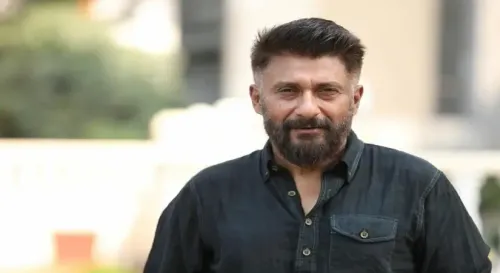
Actor Gajraj Rao on Wednesday, 11 November 2026, spoke out about the lasting health consequences of firecracker smoke following Diwali celebrations, using a sharply worded Instagram post to warn that damage to the lungs from explosive emissions is irreversible. The remarks come as Mumbai grapples with a measurable spike in air pollution in the days since the festival.
What Gajraj Rao Said
The actor, recently seen in the streaming anthology 'Lust Stories 3', took to Instagram to express his frustration through pointed sarcasm. In his post, he wrote: 'I don't know why the public doesn't understand this. Well, these are their own lungs, not the clothes that they buy from Myntra that they would exchange after a week.' Rao notably turned off the comments on the post, limiting public response to the message.
Mumbai's Air Quality Crisis Post-Diwali
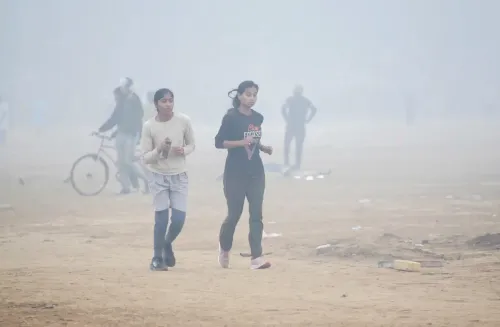
Mumbai's Air Quality Index (AQI) climbed to 171 on 9 November, a 28% rise compared to 134 recorded the day after Diwali last year. Eight monitoring locations across the city entered the 'poor' category, with firecracker smoke identified as the principal pollutant. Health experts have warned that prolonged exposure to fine particulate matter can trigger respiratory irritation, cardiovascular complications, and systemic inflammation — risks that are particularly acute for children and senior citizens.
Fire Brigade Overwhelmed by Cracker-Related Calls
The scale of the firecracker problem extended beyond air quality. Mumbai's fire brigade handled an unprecedented workload between 6 November and 9 November, receiving 282 fire calls, of which 200 were attributed to firecrackers. On 8 November alone, 137 out of 142 fire calls were cracker-related. One person died in a fire incident during this period. The surge prompted the Brihanmumbai Municipal Corporation (BMC) to ban rockets and aerial firecrackers across Mumbai until 25 November.
Broader Context and What Comes Next
This is not an isolated post-Diwali spike — Indian cities, especially Mumbai and Delhi, have consistently recorded sharp AQI deterioration in the days following the festival, drawing repeated calls from health authorities and public figures for stricter regulation of firecrackers. The BMC ban on aerial fireworks through 25 November represents one of the more direct administrative responses in recent memory. Whether it will be enforced, and whether it will be extended, remains to be seen as the city monitors air quality in the days ahead.
Point of View
But the fact that it took a post-festival health emergency to trigger it — rather than a pre-festival precautionary order — illustrates how reactive, not preventive, urban pollution governance in India remains.
NationPress
11 Nov 2026
Frequently Asked Questions
What did Gajraj Rao say about Diwali firecrackers?
Gajraj Rao posted a sarcastic message on Instagram on 11 November warning that damage to lungs from firecracker smoke is irreversible. He wrote: 'I don't know why the public doesn't understand this. Well, these are their own lungs, not the clothes that they buy from Myntra that they would exchange after a week.' He turned off comments on the post.
How bad was Mumbai's air quality after Diwali 2026?
Mumbai's AQI reached 171 on 9 November 2026, up 28% from 134 recorded the day after Diwali the previous year. Eight monitoring locations entered the 'poor' category, with firecracker smoke identified as the main pollutant.
How many fire calls did Mumbai receive during Diwali 2026?
Mumbai's fire brigade received 282 fire calls between 6 and 9 November, of which 200 were attributed to firecrackers. On 8 November alone, 137 of 142 fire calls were cracker-related, and one person died in a fire incident.
What action has the BMC taken on firecrackers after Diwali?
The Brihanmumbai Municipal Corporation (BMC) has banned rockets and aerial firecrackers across Mumbai until 25 November following the post-Diwali surge in fire incidents and air quality deterioration.
Why are firecrackers particularly harmful to health?
Health experts warn that firecracker smoke contains fine particulate matter that can cause respiratory irritation, cardiovascular complications, and systemic inflammation. The risks are especially severe for children and senior citizens, who are more vulnerable to prolonged exposure.