Gujarat DGP testifies via video link in Kutch ACB case from Gandhinagar
Synopsis
Gujarat's top cop didn't travel to Kutch — he testified from Gandhinagar via a video link, and officials say that's exactly the point. The DGP's remote deposition in a 2021 ACB case spotlights the state's quiet but systematic push to digitise court appearances, cut escort costs, and free officers from routine travel without stalling justice.
Key Takeaways
Rao testified remotely on 26 May from the Formal Witness Deposition Centre, Gandhinagar in a 2021 ACB case being heard in Gandhidham, Kutch .
The videoconferencing facility eliminated inter-district travel and allowed the deposition to be completed quickly.
The system is designed to reduce fuel costs, logistics burden, and delays caused by witness unavailability.
It also reduces prisoner transport to courts for routine hearings, lowering escort costs and security risks.
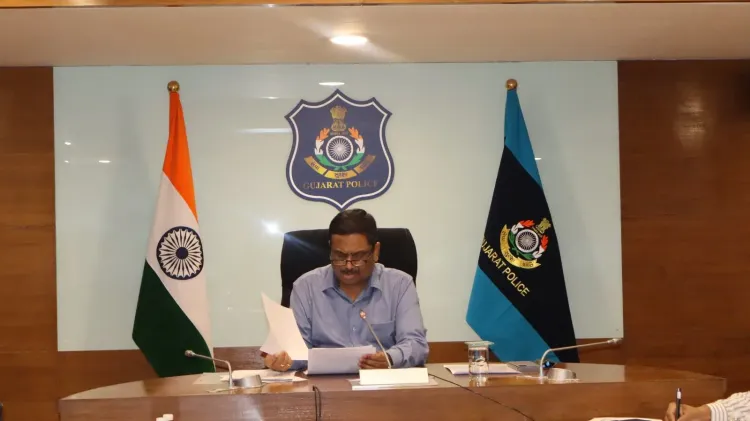
On the same day, Rao chaired a statewide Bakri Eid security review via video conference, attended by all commissioners, IGs, and SPs.
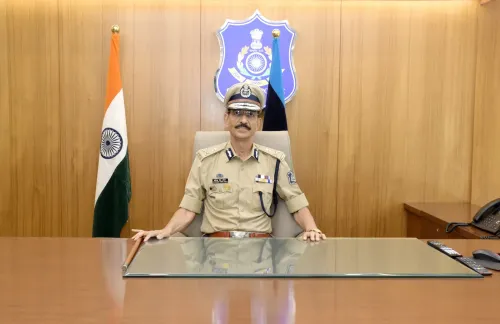
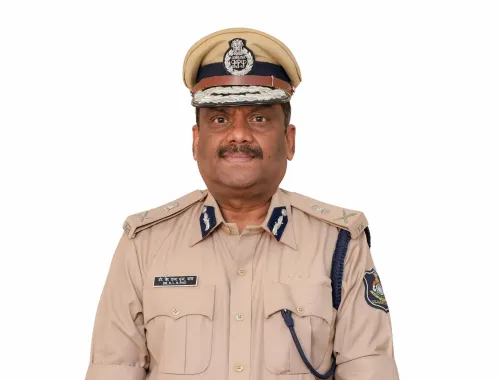
Gujarat Director General of Police (DGP) K. L. N. Rao on Tuesday, 26 May appeared before a Kutch court through video conferencing from Gandhinagar to record his testimony in a 2021 Anti-Corruption Bureau (ACB) case — an instance officials cited as a concrete demonstration of digital technology reshaping judicial proceedings across the state.
How the Remote Testimony Worked
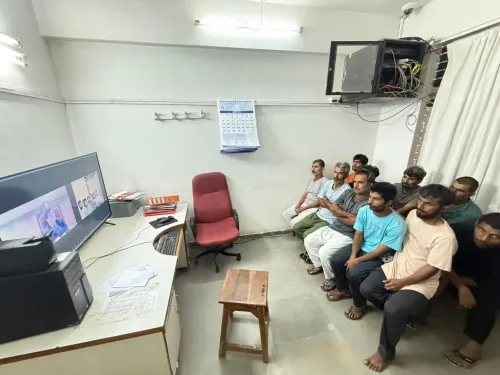
Rao deposed from the Formal Witness Deposition Centre at the Gandhinagar District Court, while the hearing proceeded simultaneously at a court in Gandhidham, Kutch. His testimony pertained to the prosecution's sanction in the ACB case and was recorded entirely through the court's videoconferencing facility, eliminating a lengthy inter-district journey.
Officials noted that the arrangement allowed the entire deposition to be completed in a short time, sparing the state's top police officer a round trip between two distant districts.
The Broader Push for Digital Court Infrastructure
The videoconferencing system is part of a coordinated effort by Gujarat's judiciary and police department to reduce the physical travel burden on witnesses, officers, and other stakeholders. According to the police department, the facility is designed to save time and cut fuel and logistics costs, while ensuring hearings are not stalled by witness unavailability or mobility constraints.
The system also addresses a persistent operational strain: police personnel routinely pulled off law-and-order duties for court appearances. By enabling remote testimony, the arrangement allows officers to remain focused on field work. Notably, the infrastructure further reduces the need to transport prisoners from jails to court premises for routine hearings, which officials said 'helps in lowering escort deployment costs and minimising security risks associated with such movement.'
What the DGP Said
Rao underscored the urgency of technology adoption in the justice system. 'Adopting technology is the need of the hour. This system helps save time, energy, and fuel, which is a national resource,' he said. He also appealed to police personnel, witnesses, and citizens across Gujarat to make wider use of videoconferencing facilities available at courts in the state.
Bakri Eid Security Review on the Same Day
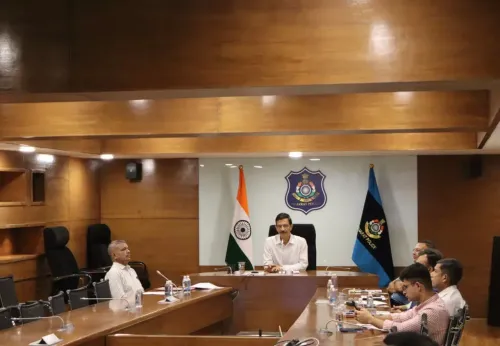
Later on Tuesday, Rao chaired a statewide security review meeting via video conference from Police Bhavan, Gandhinagar, ahead of the Bakri Eid festival. The meeting was attended virtually by all city police commissioners, range inspectors general, and district superintendents of police.
Officials were instructed to maintain strict surveillance over social media rumours, strengthen policing in sensitive areas, and ensure adequate personnel deployment. Traffic management plans and emergency response readiness were also reviewed as part of the festival preparedness framework, with communal harmony identified as a priority.
As Gujarat scales up its digital court infrastructure, the DGP's own remote appearance may set a precedent for senior officials across the state's law-enforcement hierarchy.
Point of View
Policing capacity compounds. The prisoner-transport angle is underreported: every escort convoy is a security liability and a resource drain. If the state can scale this infrastructure to district and taluka courts, the savings in manpower and logistics could be substantial. The question is whether the judiciary's bandwidth — in terms of connectivity, trained staff, and procedural acceptance — keeps pace with the police department's appetite for adoption.
NationPress
10 Oct 2026
Frequently Asked Questions
Why did Gujarat DGP K. L. N. Rao appear via video conference in the Kutch court case?
Rao used the court's videoconferencing facility to record his testimony in a 2021 ACB case from the Formal Witness Deposition Centre in Gandhinagar, avoiding a long-distance trip to Gandhidham in Kutch. Officials described it as a practical use of Gujarat's expanding digital judicial infrastructure.
What is the Formal Witness Deposition Centre in Gandhinagar?
It is a dedicated facility at the Gandhinagar District Court that allows witnesses and officials to record testimony remotely via videoconferencing, connected to courts across Gujarat. The centre is part of a broader effort to digitise court appearances and reduce travel for police, witnesses, and other stakeholders.
How does the videoconferencing system benefit Gujarat's police and judiciary?
The system saves time and reduces fuel and logistics costs, prevents hearing delays due to witness unavailability, and allows police officers to stay focused on operational duties rather than court travel. It also reduces the need to transport prisoners to courts for routine hearings, cutting escort costs and security risks.
What was the 2021 ACB case in which the DGP testified?
The case is an Anti-Corruption Bureau matter in which Rao's testimony related to the prosecution's sanction. Specific details of the accused or charges were not disclosed in official communications.
What security measures did DGP Rao review ahead of Bakri Eid?
Rao chaired a statewide video conference review attended by all city police commissioners, range IGs, and district SPs. The meeting covered communal harmony, social media rumour surveillance, sensitive-area policing, personnel deployment, traffic management, and emergency response readiness.