Haryana to double NCR air quality monitoring stations to 45, add 925 electric buses
Synopsis
Haryana is doubling its NCR air quality monitoring network to 45 stations, deploying 925 electric buses across six cities, and mandating pollution certificates at all 2,780 fuel pumps from 1 October — its most coordinated pre-winter clean air push yet, all benchmarked to beat the smog season.
Key Takeaways
Haryana will expand NCR air quality monitoring stations from 22 to 45 , with the network targeted to be fully operational by 30 September 2025 .
925 electric buses are planned for Gurugram , Faridabad , Sonipat , Panipat , Karnal , and Rohtak ; 70 are already running.
The 'No PUCC, No Fuel' policy launches on 1 October , with ANPR systems being installed at all 2,780 NCR fuel stations.
2,883 end-of-life vehicles have been impounded and 2,010 scrapped this year under intensified enforcement.
1,329 of 1,340 industries required to install emission monitoring systems are already connected to the CPCB server.
Nearly 1,000 km of urban roads in NCR are being redeveloped to curb dust pollution.
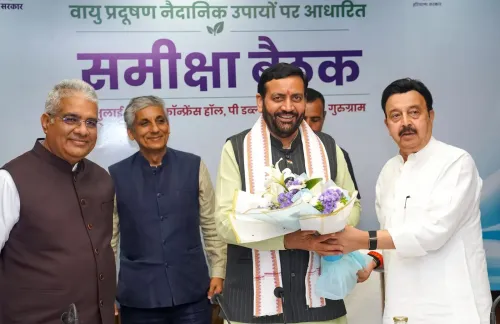
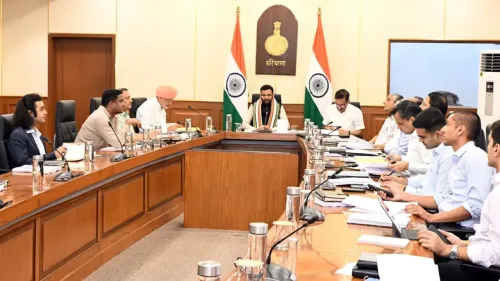
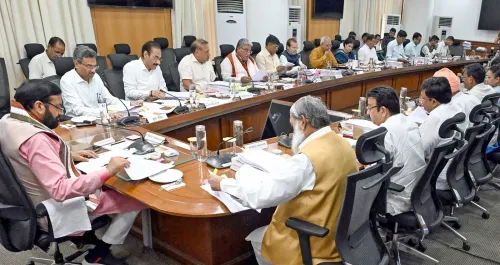
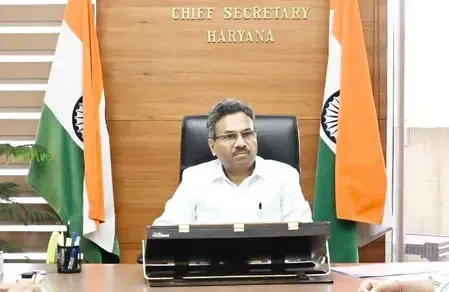
Haryana has unveiled a sweeping multi-sector clean air action plan for the National Capital Region (NCR), expanding its Continuous Ambient Air Quality Monitoring Station (CAAQMS) network from 22 to 45 stations and inducting 925 electric buses across six cities before the onset of winter. The roadmap was reviewed at a high-level meeting chaired by State Chief Secretary Anurag Rastogi under the framework of the Commission for Air Quality Management (CAQM) on Friday, 27 June 2025.
Electric Bus Expansion Across NCR Cities
State Additional Chief Secretary (Transport) Raja Sekhar Vundru said Haryana has planned the induction of 925 electric buses across Gurugram, Faridabad, Sonipat, Panipat, Karnal, and Rohtak this year. Of these, 70 electric buses are already operational, and purchase orders have been placed for 385 additional buses. Procurement of the remaining fleet will be completed in phases following approval by the High Powered Purchase Committee.
Air Quality Monitoring Network to Double by September
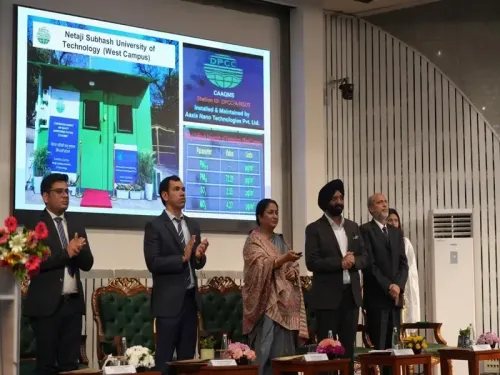
The NCR currently has 22 operational monitoring stations. An additional 23 stations are being established to take the total to 45, according to an official statement. Work orders for two stations are expected by mid-July, while tenders for the remaining stations will be floated shortly. The expanded network is targeted to become fully operational before 30 September, enabling comprehensive real-time air quality tracking through the critical winter pollution season.
'No PUCC, No Fuel' Policy from October 1
Chief Secretary Rastogi reviewed preparations for the 'No Pollution Under Control Certificate (PUCC), No Fuel' initiative, set to take effect from 1 October. Automatic Number Plate Recognition (ANPR) systems are being installed at all 2,780 fuel stations in NCR districts. The first phase will cover 775 fuel stations in Gurugram, Faridabad, Jhajjar, and Sonipat, with the remaining 2,005 stations to be covered before the deadline. Once operational, the system will electronically verify pollution under control certificates before fuel is dispensed at any pump.
End-of-Life Vehicles and Industrial Emission Controls
Enforcement against end-of-life vehicles has been substantially intensified this year, with 2,883 old vehicles impounded, 2,010 scrapped, and 6,054 no-objection certificates issued for voluntary removal. Under the Naya Safar Yojana, Haryana has notified a 100% motor vehicle tax concession for eligible vehicles, incentivising large-scale replacement of older commercial vehicles with cleaner alternatives. On the industrial front, 1,329 of the 1,340 industries required to install online continuous emission monitoring systems are already connected to the Central Pollution Control Board (CPCB) server. The meeting also reviewed the accelerated installation of air pollution control devices in industries requiring upgraded emission-control infrastructure.
Urban Road Redevelopment as a Pollution Lever
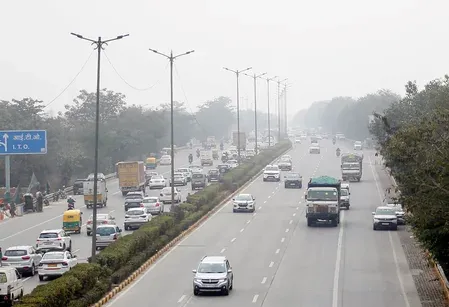
The action plan also includes the redevelopment of nearly 1,000 km of urban roads across NCR districts — a measure aimed at reducing dust pollution from deteriorating road surfaces, which is a significant contributor to particulate matter levels in the region during dry winter months. Chief Secretary Rastogi directed all departments to ensure time-bound execution so that all pollution-control measures are fully in place before winter sets in.
With Delhi-NCR consistently ranking among the most polluted airsheds in the world each winter, the scale and coordination of Haryana's pre-season push signals a more structured institutional response than in previous years. Whether execution matches the roadmap will be tested by the time smog season arrives.
Point of View
Fuel-pump deadlines, and vehicle scrapping numbers suggest institutional learning from the CAQM's repeated directives. But the credibility test is in the gaps: work orders for only two of the 23 new monitoring stations are expected by mid-July, leaving a tight runway to September 30. The 'No PUCC, No Fuel' policy is the most consequential intervention, but its enforceability depends entirely on whether ANPR systems at 2,780 fuel stations are live and tamper-proof by October 1 — a logistics challenge that has tripped up similar schemes in other states. The real question is whether this year's roadmap is a genuine systems upgrade or another pre-winter compliance exercise that fades once the smog lifts.
NationPress
25 Sept 2026
Frequently Asked Questions
What is Haryana's plan to expand air quality monitoring in NCR?
Haryana is expanding its Continuous Ambient Air Quality Monitoring Station (CAAQMS) network from 22 to 45 stations across the NCR. The additional 23 stations are targeted to be fully operational before 30 September 2025, ahead of the winter pollution season.
What is the 'No PUCC, No Fuel' policy in Haryana?
The 'No PUCC, No Fuel' policy, set to launch on 1 October 2025, requires vehicles to have a valid Pollution Under Control Certificate (PUCC) before they can be fuelled at any petrol pump in NCR districts. Automatic Number Plate Recognition (ANPR) systems are being installed at all 2,780 fuel stations to electronically verify certificates before fuel is dispensed.
How many electric buses is Haryana adding to NCR cities?
Haryana has planned the induction of 925 electric buses across Gurugram, Faridabad, Sonipat, Panipat, Karnal, and Rohtak in 2025. Of these, 70 are already operational and purchase orders have been placed for 385 more, with the rest to be procured in phases.
What action has Haryana taken against end-of-life vehicles?
Haryana has intensified enforcement against end-of-life vehicles this year, impounding 2,883 old vehicles, scrapping 2,010, and issuing 6,054 no-objection certificates for voluntary removal. The Naya Safar Yojana also offers a 100% motor vehicle tax concession to encourage replacement of older commercial vehicles.
How is Haryana controlling industrial air pollution in NCR?
1,329 of the 1,340 industries required to install online continuous emission monitoring systems are already connected to the Central Pollution Control Board (CPCB) server. Installation of air pollution control devices is also being accelerated in industries that require upgraded emission-control infrastructure.