Haryana Cabinet clears clean mobility rules for delivery aggregators, NCR fleet mandate from Jan 1
Synopsis
Haryana has made CNG and electric vehicles mandatory for all new fleet inductions by delivery aggregators and e-commerce firms in NCR districts from 1 January, backed by a full licensing framework covering insurance, safety, and cyber security — one of the more comprehensive state-level clean mobility moves in the NCR belt this year.
Key Takeaways
Haryana Cabinet chaired by CM Nayab Singh Saini approved mandatory CNG/EV fleet rules for delivery aggregators in NCR districts effective 1 January .
Existing NCR fleets may only add CNG or electric three-wheeler auto-rickshaws going forward.
Minimum insurance mandated: ₹5 lakh for passengers , ₹5 lakh for drivers , and ₹10 lakh for onboarded drivers .
A one-time, one-way switch to the Unified Pension Scheme was approved for state government employees.
Regularisation of unauthorised industrial units approved under the amended Special Provisions Act, 2025 .
3,069 postgraduate teacher posts recruitment linked to BC-A and BC-B certificate validity decision.
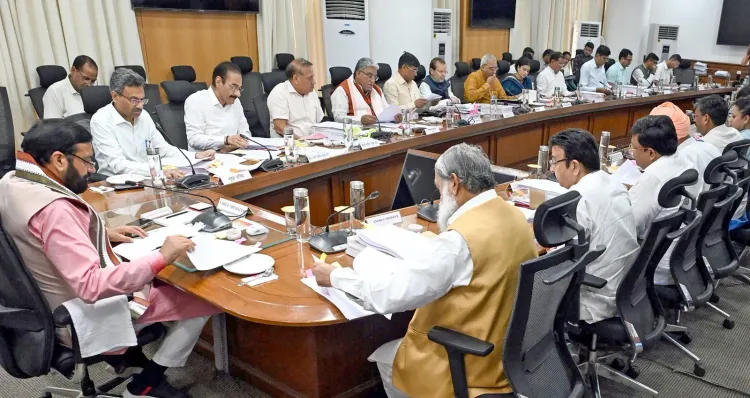
The Haryana Cabinet, chaired by Chief Minister Nayab Singh Saini, on Monday, 18 May approved a sweeping set of regulatory measures, including mandatory aggregator licensing for delivery service providers, a one-time switch to the Unified Pension Scheme for state government employees, and the regularisation of unauthorised industrial units across the state. The decisions were taken under the Haryana Motor Vehicles Rules, 1993, and several allied frameworks.
Clean Mobility Mandate for NCR Districts
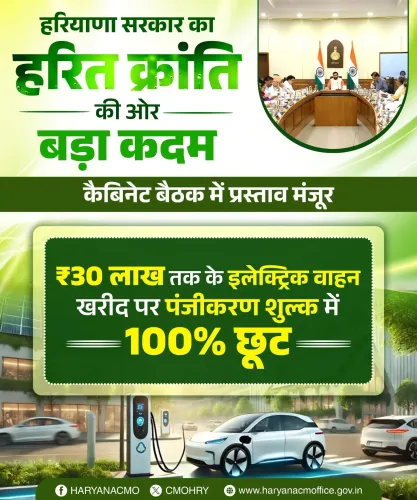
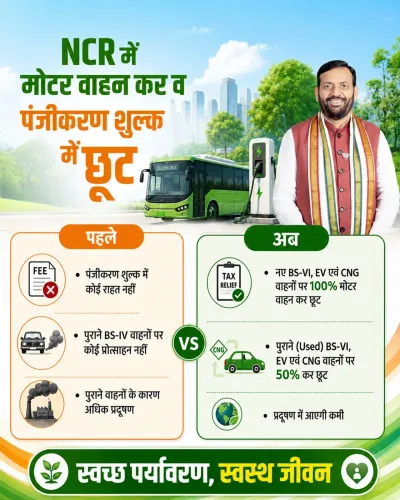
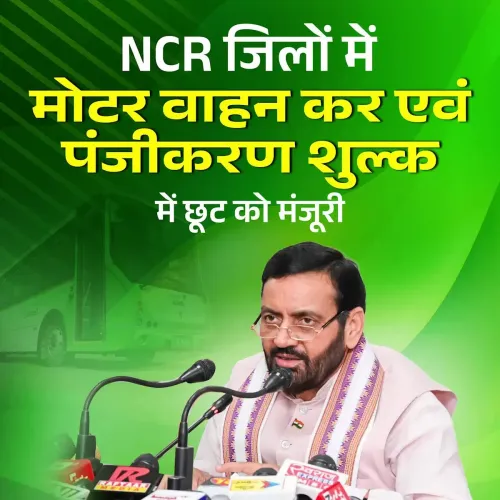
At the heart of Monday's Cabinet session was a directive aimed at curbing vehicular pollution in Haryana's National Capital Region (NCR) districts. From 1 January, all vehicles newly inducted into the fleets of aggregators, delivery service providers, and e-commerce entities operating in the NCR must run on compressed natural gas (CNG), electricity, battery power, or any other approved cleaner fuel. Existing fleets in the NCR will be permitted to add only CNG or electric three-wheeler auto-rickshaws going forward, according to an official statement.
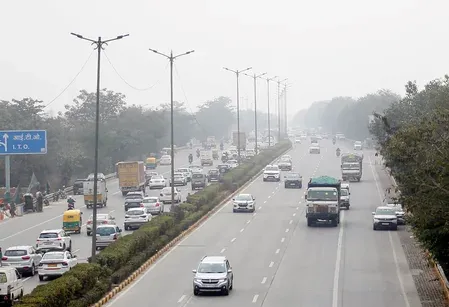
The move is designed to promote clean mobility and improve air quality in a region that consistently records among India's worst pollution levels during winter months. This comes amid sustained pressure from the Supreme Court-mandated Commission for Air Quality Management (CAQM) on NCR states to accelerate fleet electrification.
Comprehensive Aggregator Licensing Framework
The Cabinet approved substituting Rule 86A of the Haryana Motor Vehicles Rules, 1993, to establish a full regulatory framework for app-based passenger aggregators and delivery service providers. The revised provisions cover mandatory licensing, driver and vehicle onboarding norms, passenger safety protocols, grievance redressal mechanisms, induction and refresher training, cyber security compliance for apps, and fare regulation.
On insurance, the rules set minimum coverage of ₹5 lakh for passengers, ₹5 lakh for drivers, and ₹10 lakh for onboarded drivers — a floor that aggregators and delivery platforms will be legally required to maintain.
Unified Pension Scheme: One-Time Switch Window
The Cabinet also cleared a one-time, one-way switch facility for state government employees to move to the Unified Pension Scheme (UPS). The decision gives eligible employees a structured, time-bound option to transition, though the specific window period was not detailed in the official statement. The UPS has been positioned by the Centre and several state governments as a middle path between the old defined-benefit pension and the market-linked National Pension System.
Industrial Regularisation and Other Decisions
Amendments to the Haryana Management of Civic Amenities and Infrastructure Deficient Areas Outside Municipal Area (Special Provisions) Amendment Act, 2025 were approved to facilitate the regularisation of unauthorised industrial establishments and ensure basic civic amenities in such areas statewide.
The Cabinet further approved the validity of Backward Class-A and Backward Class-B non-creamy layer certificates issued in 2024-25 under the notification dated 17 November 2021. This decision is linked to the Haryana Public Service Commission's recruitment drive for 3,069 posts of postgraduate teachers across subjects in 2024. Candidates from these categories were required, per the recruitment advertisement of 23 July 2024, to submit fresh certificates under the notification dated 16 July 2024.
New service rules for the post of Superintendent (Field Cadre) in the Haryana Higher Education Department — the Sub-Offices College Cadre (Group-B) Service Rules, 2026 — were also approved. These take effect on the date of their publication in the official gazette. Promotion to the post will require either one year's experience as Deputy Superintendent or 10 years' experience as an Assistant.
With the NCR fleet mandate set to kick in from 1 January, industry stakeholders and delivery platforms operating in Haryana's NCR districts will need to accelerate fleet transition plans well before the deadline.
Point of View
Fare regulation, and tiered insurance in one sweep. But the real test is enforcement: NCR pollution mandates have a long history of being announced and weakly implemented. The January 1 fleet deadline is tight for smaller delivery operators, and the absence of a transition subsidy for CNG or EV conversion may push compliance costs onto gig workers rather than platforms. The one-time UPS switch, meanwhile, is politically significant — it signals that state governments are still navigating pension reform carefully, unwilling to fully commit to either the old or new system.
NationPress
7 Oct 2026
Frequently Asked Questions
What are the new clean mobility rules approved by the Haryana Cabinet?
The Haryana Cabinet approved rules making CNG, electric, or battery-operated vehicles mandatory for all new fleet inductions by aggregators, delivery service providers, and e-commerce entities in NCR districts from 1 January. Existing NCR fleets can only add CNG or electric three-wheeler auto-rickshaws.
What is the new insurance requirement for delivery aggregators in Haryana?
Under the approved rules, aggregators and delivery service providers must maintain minimum insurance coverage of ₹5 lakh for passengers, ₹5 lakh for drivers, and ₹10 lakh for onboarded drivers. This is part of a broader licensing framework under Rule 86A of the Haryana Motor Vehicles Rules, 1993.
What is the Unified Pension Scheme switch approved by the Haryana Cabinet?
The Cabinet approved a one-time, one-way switch facility allowing state government employees to move to the Unified Pension Scheme. The switch is a structured, time-bound option and cannot be reversed once exercised.
Why did the Haryana Cabinet validate BC-A and BC-B certificates from 2024-25?
The decision was taken in connection with the Haryana Public Service Commission's recruitment for 3,069 postgraduate teacher posts in 2024. Candidates from Backward Class-A and Backward Class-B categories needed clarity on certificate validity following a July 2024 government notification requiring fresh certificates.
When will the new aggregator and delivery service rules come into force in Haryana?
The clean mobility fleet mandate applies to new vehicle inductions in NCR districts from 1 January. The broader service rules for the Superintendent (Field Cadre) post take effect on the date of their publication in the official gazette.