What Initiatives Did Delhi CM Rekha Gupta Launch for Air Quality Improvement?
Synopsis
On February 9, Delhi CM Rekha Gupta unveiled six new air quality monitoring systems and initiated the ‘Vayu Rakshak’ fleet to combat pollution. This initiative signifies a year-long commitment to air quality management. The introduction of electric buses further complements these efforts, positioning Delhi as a leader in sustainable transport. Discover the details of these significant developments.
Key Takeaways
Delhi launched six new CAAQMS to enhance air quality monitoring.
The Vayu Rakshak fleet will actively check air quality across the city.
Delhi aims to expand its electric bus fleet significantly by 2028.
These initiatives reflect a commitment to combat pollution year-round.
Collaboration with educational institutions supports environmental monitoring.
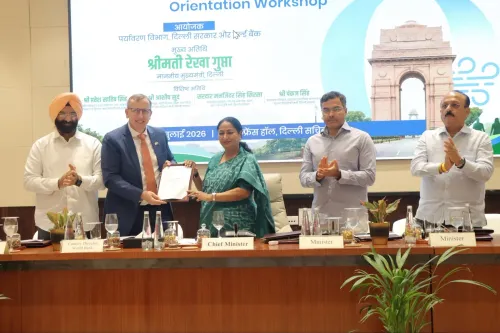
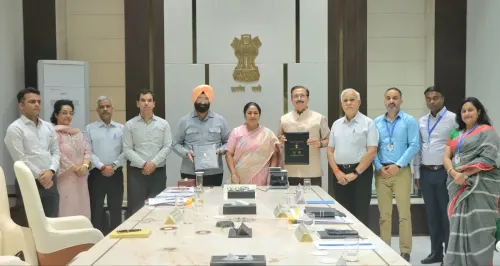
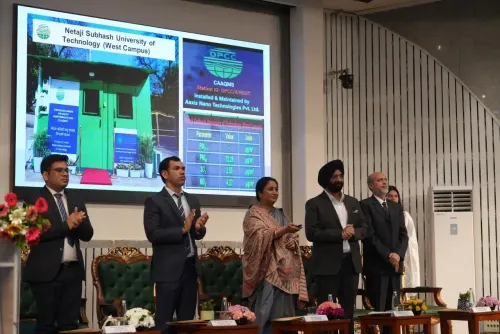
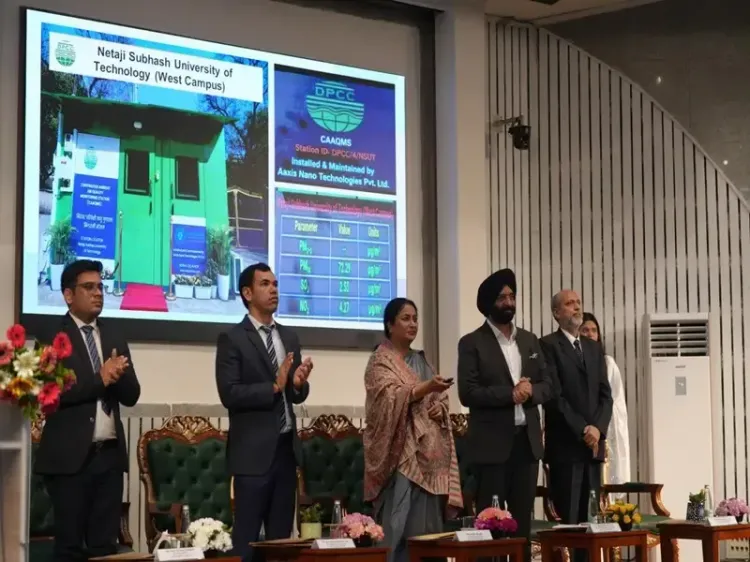
New Delhi, Feb 9 (NationPress) The Chief Minister of Delhi, Rekha Gupta, officially introduced six new Continuous Ambient Air Quality Monitoring Systems (CAAQMS) on Monday, alongside launching the ‘Vayu Rakshak’ fleet aimed at monitoring air quality. This initiative is expected to facilitate effective, data-driven measures in the battle against pollution, as stated by an official.
The newly launched CAAQMS were established at Jawaharlal Nehru University (JNU), Indira Gandhi National Open University (IGNOU), Netaji Subhas University of Technology (NSUT) West Campus, CWG Akshardham, Sarvodaya Bal Vidyalaya (SBV) Delhi Cantt, and SPM Talkatora Garden.
“We are dedicated to addressing pollution control not just during winter, but throughout the entire year. In line with this commitment, we inaugurated six CAAQMS and initiated the ‘Vayu Rakshak’ fleet today,” the Chief Minister remarked via social media.
“These systems will ensure precise monitoring of air quality, allowing us to implement effective, data-driven strategies,” she elaborated.
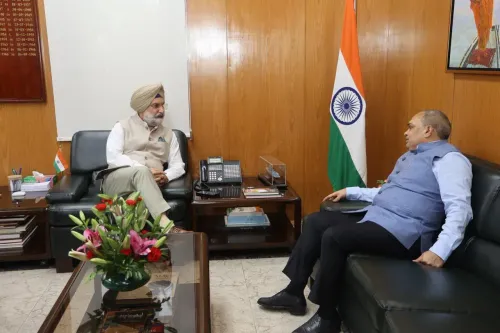
Simultaneously, the ‘Vayu Rakshak’ fleet will travel to various districts to assess air quality and undertake pollution control activities. The event was also attended by Cabinet member Manjinder Singh Sirsa and other notable dignitaries.
The introduction of the CAAQMS occurred just a day after the Delhi government added 500 electric buses to the Delhi Transport Corporation (DTC) fleet.
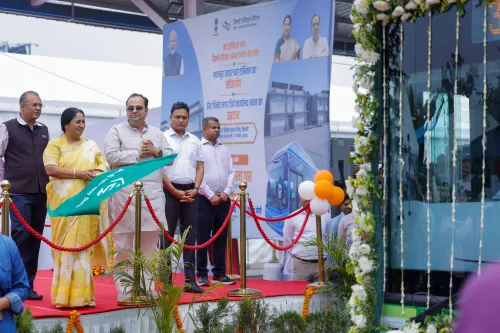
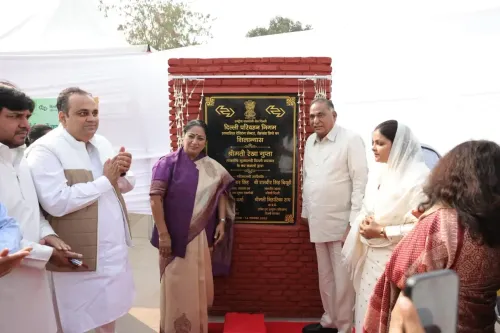
During the bus launch at Delhi’s Ramlila Maidan, which coincided with the first anniversary of the Bharatiya Janata Party government in Delhi, Chief Minister Gupta announced that with the integration of new EV buses, Delhi now possesses the largest electric bus fleet in the nation.
Furthermore, the inter-state electric bus service connecting Delhi and Panipat was inaugurated.
She mentioned that a new electric bus route between Delhi and Panipat is operational, ensuring safe, convenient, and pollution-free travel for numerous passengers.
The government aims to expand the electric bus fleet to 7,500 by 2026 and to incorporate 14,000 EV buses into the DTC fleet by 2028.
This event also signaled the commencement of the first anniversary celebrations of the Bharatiya Janata Party government in Delhi, which was re-elected after 27 years on February 8 last year.
Point of View
The launch of these air quality monitoring systems and the electric bus fleet by Delhi's government is a significant move towards sustainable urban development. It reflects a proactive approach to pollution management, aligning with national environmental goals. The commitment of the Delhi government to enhance air quality not only benefits local residents but also sets a precedent for other metropolitan regions.
NationPress
19 Sept 2026
Frequently Asked Questions
What are Continuous Ambient Air Quality Monitoring Systems?
Continuous Ambient Air Quality Monitoring Systems (CAAQMS) are advanced devices used for real-time monitoring of air quality parameters, enabling swift actions against pollution.
What is the 'Vayu Rakshak' fleet?
'Vayu Rakshak' fleet is a team dedicated to conducting air quality checks and implementing pollution control measures in various areas of Delhi.
How many electric buses does Delhi aim to have by 2028?
Delhi plans to expand its electric bus fleet to 14,000 by the year 2028, enhancing eco-friendly public transport.
Where were the CAAQMS launched?
The CAAQMS were launched at several locations including JNU, IGNOU, and other notable spots in Delhi.
Why is air quality monitoring important?
Air quality monitoring is crucial for understanding pollution levels and implementing effective strategies to protect public health and the environment.