Delhi CM Rekha Gupta launches ₹8,300 crore Clean Air Programme with World Bank
Synopsis
Delhi just committed ₹8,300 crore and seven years to cleaning its air — with World Bank backing and a CM who is simultaneously pushing to upgrade a key South Delhi road to National Highway status. Whether the Clean Air Programme's multi-department coordination holds together will determine if this is a genuine inflection point or another well-funded intention.
Key Takeaways
Delhi CM Rekha Gupta inaugurated the 'Clean Air, Healthy Delhi' programme on 10 July .
The programme is worth ₹8,300 crore and spans seven years , backed by the World Bank .
Complementary measures include 32,000 EV charging points , electric bus expansion, and planting 70 lakh trees .
World Bank Acting Country Director Paul Procee and three Delhi Cabinet Ministers attended the launch.
CM Gupta separately wrote to Union Minister Nitin Gadkari seeking National Highway status for the 8.8-km Mandi Road in South Delhi.
UTTIPEC's 68th meeting on 27 September 2023 had already backed the Mandi Road widening proposal.
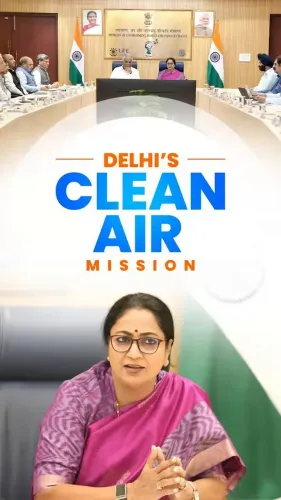
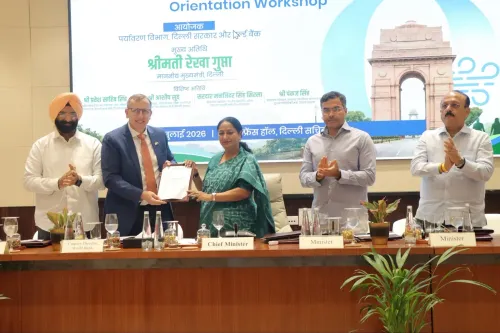
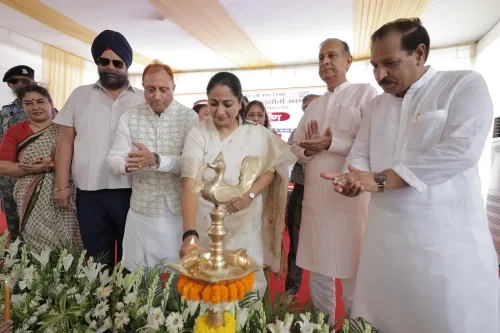
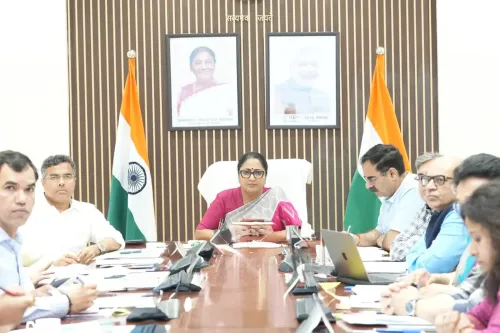
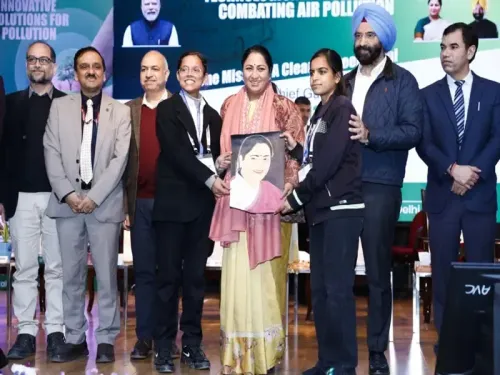
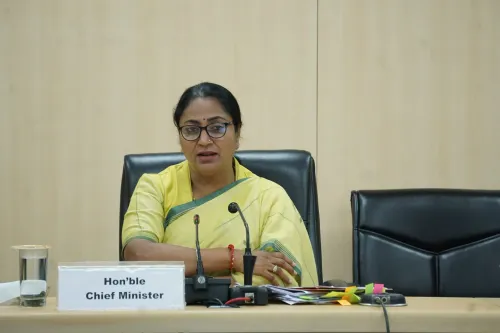
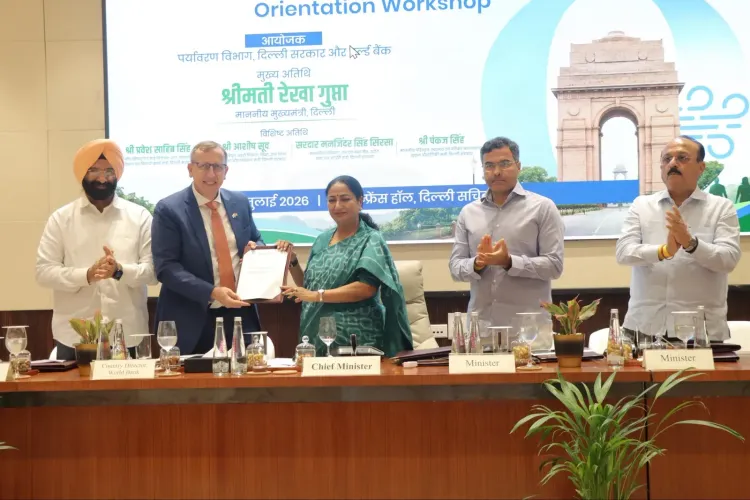
Delhi Chief Minister Rekha Gupta on Friday, 10 July inaugurated an Orientation Workshop on 'Clean Air, Healthy Delhi', marking the formal launch of a ₹8,300 crore, seven-year Delhi Clean Air Programme backed by the World Bank and the Delhi Environment Department. The programme represents one of the largest internationally supported air quality interventions in the national capital's history.
What the Programme Covers
Posting on X, Chief Minister Gupta described the initiative as 'an important step for air pollution control in Delhi,' citing support from the World Bank and the Union government. The seven-year programme will focus on better monitoring infrastructure, modern technology deployment, inter-departmental coordination, and on-ground implementation to accelerate pollution control efforts across the city.
Gupta also outlined a suite of complementary measures already under way, including a new EV Policy, expansion of electric bus fleets, installation of 32,000 EV charging points, stricter enforcement against dust and open garbage burning, a drive to plant 70 lakh trees, and the ongoing Yamuna rejuvenation project.
Key Officials Present
The inauguration was attended by World Bank Acting Country Director Paul Procee and Delhi Cabinet Ministers Parvesh Singh, Ashish Sood, and M.S. Sirsa, according to an official statement.
Mandi Road National Highway Proposal
In a separate development on the same day, Chief Minister Gupta wrote to Union Minister for Road Transport and Highways Nitin Gadkari, urging him to declare the 8.8-km Mandi Road in South Delhi a National Highway and hand its development to the National Highways Authority of India (NHAI).
The road connects Mehrauli-Gurugram Road (NH-148A) near Chhatarpur Metro Station with the Gurugram-Faridabad Road at the Delhi-Haryana border, serving as a critical inter-state corridor linking the national capital with the economic hubs of Gurugram and Faridabad.
Gupta noted that the Governing Body of UTTIPEC, at its 68th meeting on 27 September 2023, had already recognised the road's importance and endorsed proposals for its widening and comprehensive development. She argued that NHAI oversight would enable uniform engineering standards, an integrated development plan, and timely upgradation of the corridor.
What Happens Next
The Clean Air Programme is expected to roll out in phases over seven years, with monitoring and implementation spread across multiple Delhi departments. On the infrastructure front, the Centre's response to the Mandi Road proposal will determine whether the corridor receives National Highway-grade funding and NHAI engineering standards — an outcome that could meaningfully ease daily commutes for thousands of Delhi-NCR residents.
Point of View
300 crore, World Bank-backed commitment is significant — but Delhi's air quality crisis has survived several well-resourced plans before. The real differentiator this time is whether inter-departmental coordination, the programme's stated mechanism, is actually enforced or remains aspirational. The Mandi Road letter to Gadkari on the same day is a smart political pairing: it signals infrastructure ambition alongside environmental intent, but the two agendas will need to be reconciled — more roads mean more vehicles, and more vehicles mean more emissions, unless the EV transition keeps pace.
NationPress
8 Oct 2026
Frequently Asked Questions
What is the Delhi Clean Air Programme launched by CM Rekha Gupta?
The Delhi Clean Air Programme, branded 'Clean Air, Healthy Delhi,' is a seven-year, ₹8,300 crore initiative backed by the World Bank and the Delhi Environment Department. It aims to tackle air pollution through improved monitoring, modern technology, and coordinated implementation across government departments.
How much is the World Bank contributing to Delhi's Clean Air Programme?
The total programme outlay is ₹8,300 crore, with World Bank support forming a key part of the financing. The exact World Bank share has not been separately specified in official statements.
What specific steps is the Delhi government taking on air pollution?
The Delhi government has cited a new EV Policy, expansion of electric buses, installation of 32,000 EV charging points, stricter controls on dust and open garbage burning, planting 70 lakh trees, and the Yamuna rejuvenation project as active measures under the broader clean air agenda.
What is the Mandi Road National Highway proposal?
Chief Minister Rekha Gupta has written to Union Minister Nitin Gadkari requesting that the 8.8-km Mandi Road in South Delhi be declared a National Highway and developed by NHAI. The road links NH-148A near Chhatarpur Metro Station to the Gurugram-Faridabad Road at the Delhi-Haryana border, serving as a key inter-state corridor.
Who attended the Clean Air, Healthy Delhi workshop inauguration?
The event was attended by World Bank Acting Country Director Paul Procee and Delhi Cabinet Ministers Parvesh Singh, Ashish Sood, and M.S. Sirsa, in addition to Chief Minister Rekha Gupta.