Hindu girl Bindiya Kumari's abduction exposes Pakistan minority crisis
Synopsis
A 14-year-old Hindu girl, Bindiya Kumari, was reportedly abducted from Balochistan and forcibly converted and married off in Sindh — allegedly through arrangements linked to controversial figure Mian Mithu. The case has become a flashpoint for Pakistan's chronic failure to protect religious minority girls, exposing the chasm between constitutional guarantees and ground reality.
Key Takeaways
Bindiya Kumari , a 14-year-old Hindu girl and ninth-grade student, was allegedly abducted from Sibi, Balochistan in October .
She was reportedly taken to Sindh , where she was allegedly converted to Islam and married to a Muslim man.
Her conversion and marriage were allegedly facilitated through arrangements linked to Mian Abdul Haq ('Mian Mithu') .
The Voice of Pakistan Minority (VOPM) raised formal concern on 3 November , calling for a fair investigation and immediate child protection.
Pakistan is a signatory to the ICCPR and Convention on the Rights of the Child , but advocates say constitutional guarantees remain unenforced for minorities.
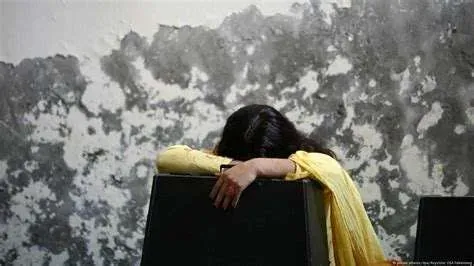
The reported kidnapping and alleged forced conversion of 14-year-old Bindiya Kumari, a Hindu girl from Sibi in Pakistan's Balochistan province, has once again cast a harsh light on the vulnerability of religious minority women and girls in Pakistan. According to reports, Kumari was abducted in October and transported to Sindh, where she was allegedly converted to Islam and married off to a Muslim man.
The Case at the Centre
Kumari's family maintains she is a minor, disputing claims by the opposing party that she embraced Islam and entered the marriage of her own free will. The Voice of Pakistan Minority (VOPM), a leading minority rights body, confirmed on 3 November that Kumari was a ninth-grade student who should be in school rather than entangled in allegations of abduction, forced religious conversion, and child marriage.
The VOPM cited minority representatives who alleged that Kumari's conversion and marriage were reportedly facilitated through arrangements linked to Mian Abdul Haq, popularly known as 'Mian Mithu' — a controversial religious-political figure with a long-documented history of involvement in similar cases. The rights body called on authorities to conduct a fair investigation while warning that an inquiry must not become a pretext to leave a child without immediate protection.
The Wider Pattern of Minority Persecution
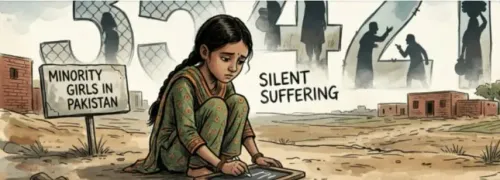
Kumari's case is not an isolated incident. Rights organisations have documented a persistent pattern of abductions, forced conversions, and coerced marriages targeting Hindu, Christian, and other minority girls across Pakistan, particularly in Sindh and Balochistan. Critics argue that the Pakistani state's failure to enforce constitutional protections has effectively created a culture of impunity for perpetrators.
Pakistan is a signatory to major international human rights instruments, including the International Covenant on Civil and Political Rights (ICCPR) and the Convention on the Rights of the Child (CRC). Yet, advocates note, these commitments remain largely aspirational for the country's most vulnerable citizens.
What Rights Advocates Are Saying
Sajid Sandhu, an advocate for religious freedom and social justice, wrote in Bitter Winter: 'Pakistan's commitment to religious freedom will ultimately be measured by its treatment of the most vulnerable. Hindu girls facing alleged coercion, Christian families seeking recognition of their religious marriages, and other minority communities requesting legal protection are not seeking special privileges.'
Sandhu added: 'They are seeking rights guaranteed by the Constitution. The government, judiciary, parliamentarians, and religious leadership must work together to ensure that constitutional protections become everyday realities.'
The Gap Between Law and Ground Reality
The VOPM stated that Kumari's case 'has exposed the gap between Pakistan's assurances of minority protection and the ground reality,' with her family seeking intervention even as lawmakers question why authorities have not acted. Pakistan's Constitution guarantees religious freedom and prohibits child marriage, yet enforcement remains deeply inconsistent, particularly when cases involve powerful local intermediaries.
Religious freedom advocates emphasise that the right to change one's religion is protected under international law — but that protection is predicated on genuine free will, not coercion, kidnapping, or exploitation. As pressure mounts on Pakistani institutions to respond, the Kumari case is fast becoming a flashpoint for the broader debate over minority rights in the country.
Point of View
Yet impunity persists. Pakistan's international treaty obligations under the ICCPR and the CRC are real legal commitments, not aspirational text, and the gap between those commitments and courtroom outcomes in Sindh is a credibility question that Pakistani institutions can no longer answer with procedural silence. The deeper structural problem is that forced conversion cases are allowed to be reframed as voluntary faith decisions in proceedings where minors have no independent legal representation — a process capture that the government, judiciary, and parliament have all failed to dismantle.
NationPress
18 Nov 2026
Frequently Asked Questions
Who is Bindiya Kumari and what happened to her?
Bindiya Kumari is a 14-year-old Hindu girl and ninth-grade student from Sibi in Pakistan's Balochistan province who was allegedly abducted in October. According to reports, she was taken to Sindh, where she was allegedly converted to Islam and married to a Muslim man against her family's account of events.
Who is Mian Mithu and what is his alleged role in this case?
Mian Abdul Haq, popularly known as 'Mian Mithu,' is a controversial Pakistani religious-political figure whose name has appeared in multiple forced conversion cases over the years. Minority representatives cited by the VOPM allege that Kumari's conversion and marriage were facilitated through arrangements linked to him.
What has the Voice of Pakistan Minority said about the case?
The VOPM expressed serious concern on 3 November, stating that Kumari's case exposes the gap between Pakistan's assurances of minority protection and ground reality. It urged authorities to conduct a fair investigation while insisting that an inquiry must not become an excuse to leave a child without protection.
Is forced conversion of minors a wider problem in Pakistan?
Yes. Rights organisations have documented a persistent pattern of abductions, forced conversions, and coerced marriages targeting Hindu, Christian, and other minority girls, particularly in Sindh and Balochistan. Critics argue that chronic non-enforcement of constitutional protections has created a culture of impunity for perpetrators.
What are Pakistan's international obligations regarding this issue?
Pakistan is a signatory to the International Covenant on Civil and Political Rights and the Convention on the Rights of the Child, both of which prohibit coercion in matters of religion and mandate the protection of minors. Advocates argue these obligations are routinely unmet when it comes to minority children.