Ho Chi Minh City 2050 master plan targets $1.2 trillion GRDP, 22 million people
Synopsis
Ho Chi Minh City has approved a 100-year urban vision targeting a $1.2 trillion economy and a population of 22 million by 2050 — backed by a 10% annual GRDP growth mandate. Simultaneously, Vietnam is rolling out a state-approved list of 70 priority high technologies, from AI to quantum computing, signalling that the country's next growth chapter is being engineered at both the city and national level.
Key Takeaways
Ho Chi Minh City approved the outline of its 2025–2050 master plan on 18 May 2025 , embedding a 100-year vision .
The city targets a minimum annual GRDP growth rate of 10 per cent , with total GRDP projected at $1.2 trillion by 2050 under favourable conditions.
Population is forecast to reach 20–22 million by 2050, up from roughly 9 million today, across an administrative area of more than 6,700 sq km .
The plan prioritises a multi-centre mega-urban model with smart governance, climate resilience, and Southeast Asia-leading living standards.
The Vietnamese government separately approved a list of 70 priority high technologies — including AI, IoT, blockchain, and quantum tech — effective 1 July 2026 .
A catalogue of 100 high-tech products encouraged for development covers UAVs, new energy vehicles, biopharmaceuticals, and next-generation vaccines.
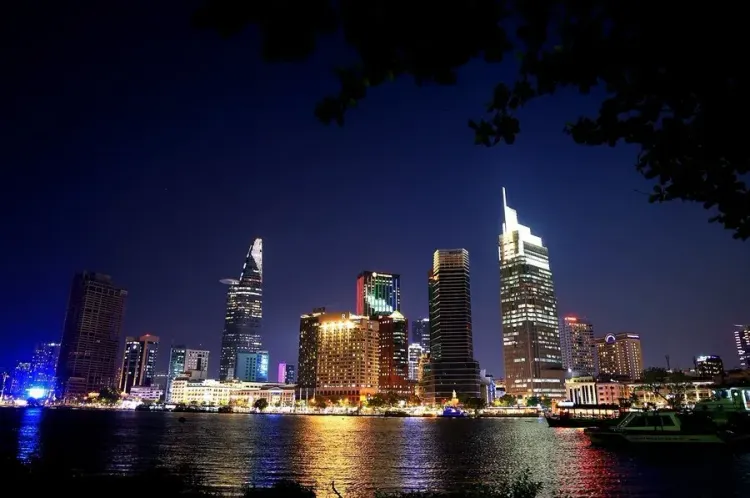
Ho Chi Minh City has approved an outline for its 2025–2050 master plan, charting a 100-year vision to transform Vietnam's southern economic hub into a leading sustainable, innovative, and livable mega-city in the Asia-Pacific region, according to local media reports on Monday, 18 May 2025. The outline was cleared by the city's municipal People's Committee and sets some of the most ambitious urban development targets in Southeast Asia.
Key Economic Targets
At the core of the plan is a target for an annual gross regional domestic product (GRDP) growth rate of at least 10 per cent between 2025 and 2050. Under favourable conditions, the city's total GRDP is projected to reach approximately $1.2 trillion by 2050 — a figure that would place it among the most productive urban economies in Asia.
The outline envisions Ho Chi Minh City emerging as a major regional hub for economy, finance, trade, services, logistics, tourism, education, healthcare, science, technology, and innovation. Crucially, the plan frames robust economic growth as inseparable from environmental protection, social equity, and cultural preservation — a balance that many rapidly urbanising Asian cities have struggled to maintain.
Urban Model and Population Projections
The plan calls for developing a multi-centre mega-urban model featuring modern infrastructure, smart governance, and enhanced climate resilience. The city's administrative area spans more than 6,700 square kilometres, and the outline reserves future land reclamation zones to accommodate economic expansion.
The city's population is projected to reach between 20 million and 22 million by 2050, up from its current estimated population of around 9 million. Income levels and living standards are targeted to rank among the highest in Southeast Asia. Notably, climate resilience features prominently — a recognition that Ho Chi Minh City faces significant flood and sea-level-rise risk as a low-lying coastal metropolis.
Vietnam's High-Technology Push
In a related development, the Vietnamese government has approved a list of 70 high technologies prioritised for investment and development, set to take effect on 1 July 2026. The list covers artificial intelligence (AI), big data and data analytics, cloud computing, edge computing, distributed computing, high-performance computing, the Internet of Things (IoT), blockchain, and quantum technologies.
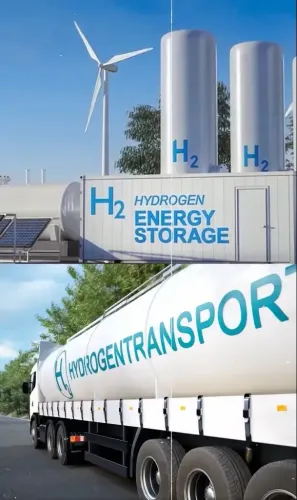
Also included are renewable and clean energy technologies, advanced energy storage, and AI-integrated real-time disaster monitoring, forecasting, and early warning systems — the last of which directly supports the urban resilience goals outlined in the city's master plan.
High-Tech Products Catalogue
Alongside the technology list, the government has issued a catalogue of 100 high-tech products encouraged for development. These include AI and data-based systems, equipment and software for recognition, analysis, forecasting and control, and platforms supporting AI research and application.
Other products on the list include unmanned aerial vehicles (UAVs), eco-friendly new energy vehicles, biopharmaceuticals for healthcare and agricultural use, next-generation vaccines, medical biological products, and diagnostic biological products. Together, these catalogues signal a concerted state-led effort to position Vietnam as a technology manufacturing and innovation destination, complementing the urbanisation ambitions of its largest city.
What Comes Next
The approved outline is the foundational document for a full master plan that will govern land use, infrastructure investment, and governance reform in Ho Chi Minh City through mid-century. Implementation timelines and sectoral investment breakdowns are expected to follow as the detailed plan is developed. With the high-technology list taking effect in mid-2026, Vietnam's policy architecture for its next growth phase is beginning to take shape.
Point of View
Traffic congestion, and infrastructure deficits. The plan's emphasis on climate resilience is welcome, but the history of Southeast Asian mega-city master plans is littered with ambitious projections that collided with governance gaps and land-use politics. What distinguishes this outline — or fails to — will depend entirely on the implementation architecture that follows. Vietnam's simultaneous push on 70 priority high technologies suggests the central government is trying to build the demand side of a tech economy while Ho Chi Minh City builds the urban supply side. Whether the two tracks are genuinely coordinated, or are parallel announcements dressed as strategy, is the question worth watching.
NationPress
23 Sept 2026
Frequently Asked Questions
What is Ho Chi Minh City's 2025–2050 master plan?
It is a long-term urban development blueprint approved by the city's municipal People's Committee, setting a 100-year vision for Ho Chi Minh City to become a leading sustainable, innovative, and livable mega-city in the Asia-Pacific region. The plan targets at least 10% annual GRDP growth and a total economy of $1.2 trillion by 2050.
What is Ho Chi Minh City's projected population by 2050?
The master plan outline projects the city's population to reach between 20 million and 22 million by 2050. The city's administrative area covers more than 6,700 square kilometres, with future land reclamation zones reserved for economic expansion.
What sectors will Ho Chi Minh City focus on under the new plan?
The outline identifies economy, finance, trade, services, logistics, tourism, education, healthcare, science, technology, and innovation as key sectors. The plan also emphasises environmental protection, social equity, cultural preservation, and climate resilience alongside economic growth.
What are Vietnam's 70 priority high technologies?
The Vietnamese government approved a list of 70 high technologies prioritised for investment, effective 1 July 2026. These include artificial intelligence, big data, cloud computing, edge computing, IoT, blockchain, quantum technologies, renewable energy, advanced energy storage, and AI-integrated disaster monitoring systems.
What high-tech products is Vietnam encouraging for development?
A government-issued catalogue of 100 high-tech products includes AI and data-based systems, unmanned aerial vehicles, eco-friendly new energy vehicles, biopharmaceuticals, next-generation vaccines, medical biological products, and diagnostic biological products.