India reaffirms Afghan sovereignty at 8th Moscow Format Consultations
Synopsis
India sent its diplomats to the 8th Moscow Format Consultations and reaffirmed support for Afghan sovereignty — while quietly delivering medicines, food, and flood relief to Kabul. The dual-track strategy shows New Delhi is keeping every Afghan door open without formally recognising the Taliban.
Key Takeaways
India participated in the 8th Moscow Format Consultations on Afghanistan in Moscow on 5 October 2026 .
The delegation was led by Ambassador Vinay Kumar and JS (PAI) Dr M Suresh Kumar .
India reaffirmed support for Afghan sovereignty, unity, and territorial integrity .
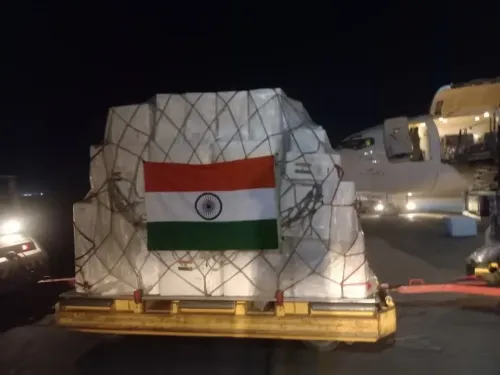
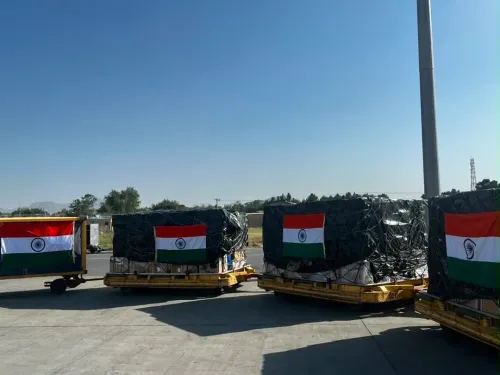
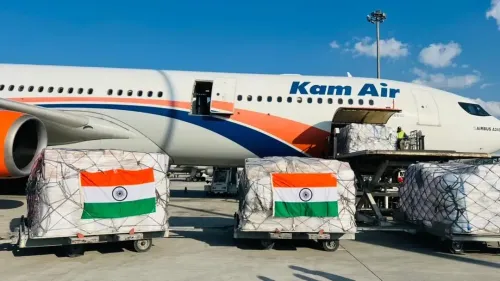
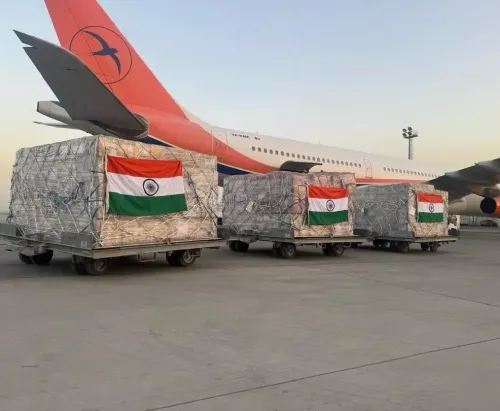
Last month, India delivered life-saving medicines and medical consumables to a government hospital in Kabul .
In July , India sent food items and family tents to Afghanistan's National Disaster Management Authority following devastating floods in Nuristan .
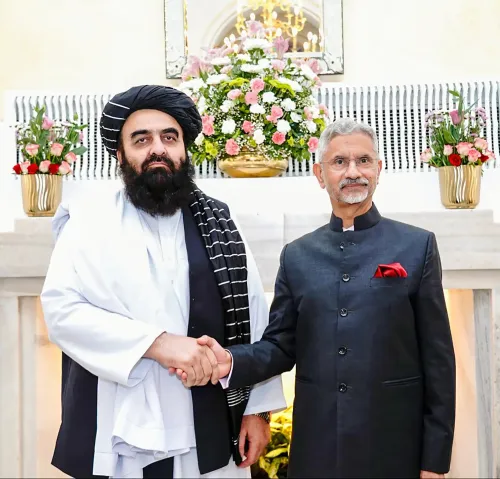
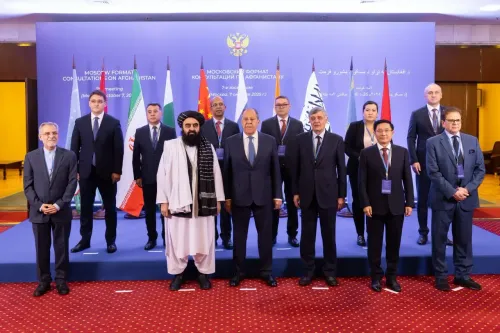
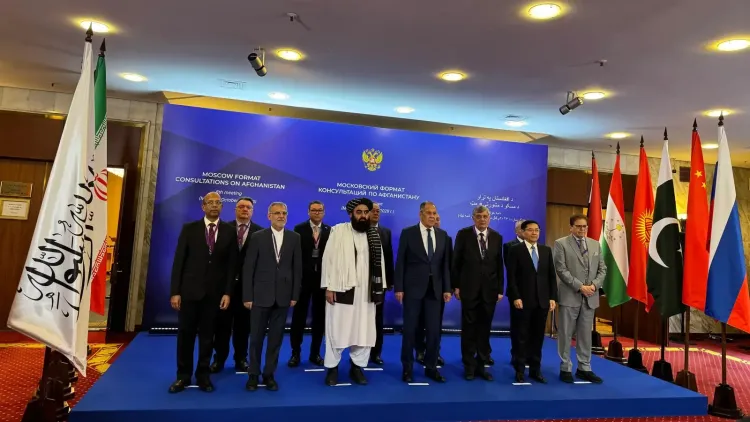
India on Monday, 5 October 2026, reaffirmed its commitment to the welfare of the Afghan people and its support for Afghanistan's sovereignty, unity, and territorial integrity at the 8th Moscow Format Consultations on Afghanistan, hosted by the Russian Foreign Ministry in Moscow. The statement underscores New Delhi's steady diplomatic engagement with the Afghan dossier even as the broader international community grapples with how to deal with Taliban-governed Kabul.
Indian Delegation at Moscow
The Indian delegation was led by Ambassador Vinay Kumar and Joint Secretary (PAI) Dr M Suresh Kumar. The Embassy of India in Russia confirmed their participation, stating that India's position is grounded in its 'long-standing friendship with Afghanistan.' The Moscow Format, a multilateral platform bringing together regional stakeholders, serves as one of the few diplomatic arenas where India, Russia, China, Pakistan, and Central Asian nations engage collectively on the Afghan situation.
Humanitarian Assistance: A Continuing Thread
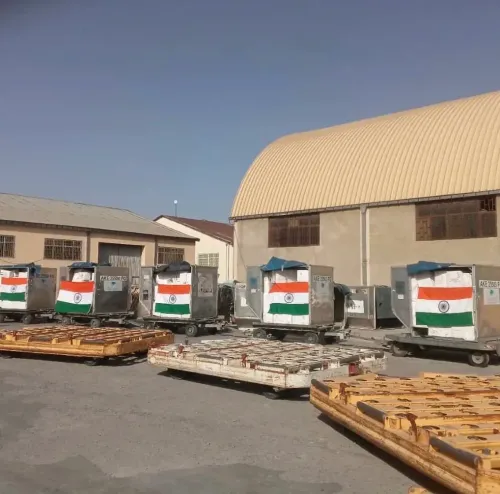
Separate from the diplomatic forum, India's humanitarian footprint in Afghanistan has remained consistent. Last month, India delivered another consignment of life-saving medicines and medical consumables to a government hospital in Kabul. The Ministry of External Affairs (MEA) described health as being 'at the heart of India's humanitarian assistance to the Afghan people.'
On 20 August, India had similarly delivered medicines and medical consumables to a Kabul government hospital, reaffirming what the MEA called an 'enduring health partnership' with the Afghan people. These deliveries reflect a sustained pattern rather than one-off gestures.
Flood Relief and Broader Aid
In July, India extended its assistance beyond healthcare, delivering relief material — including food items and family tents — to Afghanistan's National Disaster Management Authority following devastating floods in Nuristan. The MEA stated that 'India stands with the Afghan people at this difficult time,' signalling a broad-based humanitarian approach that covers both chronic needs and acute disaster response.
Strategic Context
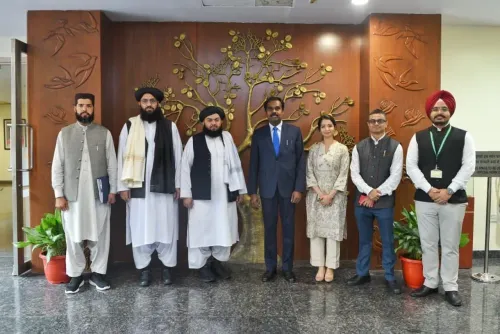
India's dual-track approach — diplomatic engagement through multilateral formats and direct humanitarian delivery — reflects New Delhi's careful navigation of the post-2021 Afghan landscape. While India does not formally recognise the Taliban administration, it has maintained a practical channel of engagement to protect civilian interests and preserve strategic influence in a neighbourhood it cannot afford to cede. Notably, this is India's continued participation in the Moscow Format, a platform traditionally seen as Russia- and China-friendly, which signals that New Delhi is unwilling to be absent from any table where Afghanistan's future is being discussed.
As regional powers recalibrate their Afghan postures ahead of potential shifts in US policy, India's next moves on formal engagement and aid scale will be closely watched by both Kabul and its neighbours.
Point of View
Even on a platform shaped by Russian and Chinese preferences. The steady drumbeat of humanitarian deliveries, from medicines to flood relief, gives India a legitimacy channel that purely diplomatic engagement cannot. What remains unresolved is the ceiling: New Delhi has yet to publicly define when or whether practical engagement tips into a more formal relationship with the Taliban administration, and that ambiguity is increasingly hard to sustain as other regional players make firmer moves.
NationPress
5 Oct 2026
Frequently Asked Questions
What is the Moscow Format Consultations on Afghanistan?
The Moscow Format is a multilateral diplomatic platform, convened by Russia, that brings together regional stakeholders — including India, China, Pakistan, Iran, and Central Asian nations — to discuss the Afghan situation. The 8th round was held on 5 October 2026 at the Russian Foreign Ministry in Moscow.
Who represented India at the 8th Moscow Format Consultations?
India was represented by Ambassador Vinay Kumar and Joint Secretary (PAI) Dr M Suresh Kumar. The Embassy of India in Russia confirmed their participation and reiterated India's long-standing position on Afghan sovereignty and territorial integrity.
What humanitarian aid has India recently sent to Afghanistan?
India has sent multiple consignments in recent months: life-saving medicines and medical consumables to a Kabul government hospital in September 2026 and again on 20 August 2026, and flood relief including food items and family tents to Afghanistan's National Disaster Management Authority in July 2026 following floods in Nuristan.
Does India formally recognise the Taliban government in Afghanistan?
India has not formally recognised the Taliban administration. However, New Delhi has maintained a practical channel of engagement, including humanitarian aid deliveries and participation in multilateral forums, to protect civilian interests and retain strategic influence in the region.
Why does India's participation in the Moscow Format matter?
The Moscow Format is typically seen as aligned with Russian and Chinese interests. India's continued participation signals that New Delhi is unwilling to be absent from any multilateral platform shaping Afghanistan's future, even as it navigates a difficult balance between engagement and formal recognition of the Taliban.