India's Digital Collaboration Paves New Path for Nigeria
Synopsis
India's strategic agreements with Nigeria in digital technology mark a transformative moment for the African nation, enabling it to draw from India's successful digital journey and implement significant advancements in welfare, education, and employment.
Key Takeaways
Digital technology agreements between India and Nigeria aim to enhance public service and education.
Nigeria's goal is to create one million digital economy jobs by 2025.
India's experience offers a template for effective digital transformation.
The partnership is set to facilitate structured technology transfers .
Focus on improving digital literacy among Nigeria's youth.
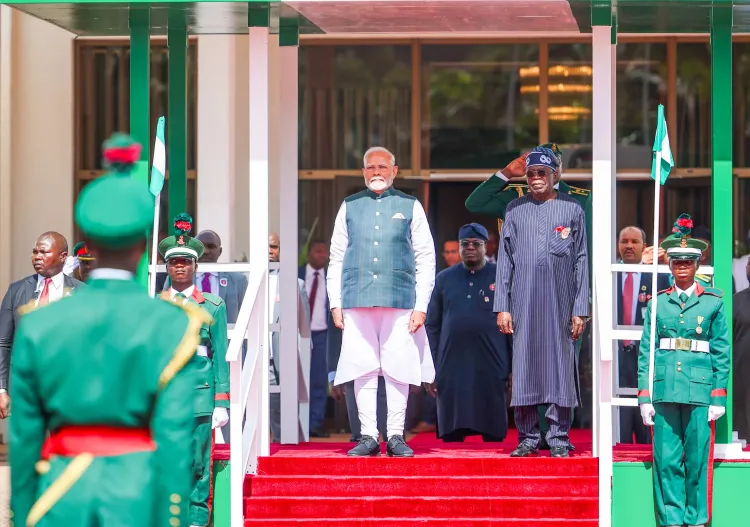
New Delhi, March 22 (NationPress) India's agreements with Nigeria to share digital technology present a significant opportunity for the African nation to replicate the achievements seen in the populous country of 1.4 billion, particularly in the realms of social welfare, education, and job creation.
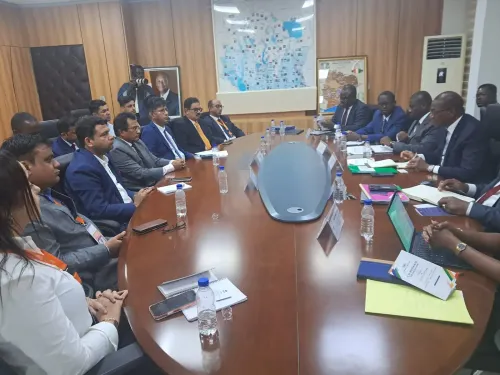
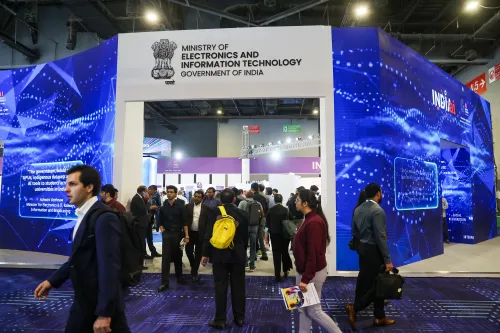
These agreements were formalized in New Delhi, where Nigeria's Minister of Communications, Innovation and Digital Economy, Bosun Tijani, established two critical frameworks: one with India's Ministry of Electronics and Information Technology (MeitY) and the other with the Central Square Foundation, an Indian organization focused on EdTech.
Chukwudi Okeke, a Startup Mentor and co-founder of the Nigeria Innovation Hub in Lagos, remarked, "For countless young Nigerians aspiring to establish the next African tech leader or for parents seeking improved educational opportunities for their children, the digital technology partnership forged with India in 2023 is far from a mere diplomatic agreement; it symbolizes a pivotal moment of change."
India has not only developed a vibrant digital economy but has also transformed the way a billion people interact with government entities, financial institutions, and educational systems. With its vast population and youthful dynamism, Nigeria now has a unique chance to learn from India's experiences, tailor them to local contexts, and translate digital advancements into real-world progress for its citizens.
The MeitY agreement emphasizes the exchange of digital solutions, focusing on e-governance, digital identity, and public service delivery, while the Central Square Foundation partnership aims at enhancing technology-enabled education and digital learning infrastructures in Nigeria's public schools and training facilities.
These collaborations set the stage for structured technology transfers, joint pilot initiatives, and institutional partnerships between Nigerian and Indian organizations. Nigeria's goal is evident: to generate one million digital economy jobs by 2025 and elevate digital literacy among its youth.
The choice of India as a partner is intentional, as India's journey demonstrates that large-scale digital transformation is achievable when it is meticulously planned, funded, and executed with strong political commitment.
India's digital state framework provides Nigeria with a ready-to-adopt model for establishing public tech infrastructures without the need for extensive re-invention. The Aadhaar-based digital identity system, alongside India Stack and the Unified Payments Interface (UPI), has transitioned a paper-based economy into one where millions can easily open bank accounts, receive governmental payments, and conduct real-time transactions via mobile devices.
Point of View
It is evident that the partnership between India and Nigeria signifies a crucial step towards digital empowerment in Africa. By leveraging India's proven strategies, Nigeria can potentially overcome its infrastructure challenges and achieve significant advancements in education and job creation, benefitting millions of its citizens.
NationPress
22 Sept 2026
Frequently Asked Questions
What are the main objectives of India's digital partnership with Nigeria?
The partnership aims to share digital solutions in e-governance, digital identity, and improve public service delivery, along with enhancing technology-enabled education in Nigerian public schools.
How can Nigeria benefit from India's digital economy experience?
Nigeria can learn from India's successful digital transformation strategies to enhance its own public tech infrastructure, thereby improving access to services and job opportunities for its citizens.
What specific goals does Nigeria have for its digital economy?
Nigeria aims to create one million digital economy jobs by 2025 and improve digital literacy among its youth as part of this partnership.
What frameworks were established during the signing of the MoUs?
Two key frameworks were established: one with India's MeitY focusing on digital solutions and the other with the Central Square Foundation aimed at improving education.
Why was India chosen as a digital partner for Nigeria?
India was chosen due to its extensive experience in successfully implementing large-scale digital transformations, providing a valuable model for Nigeria to emulate.