Is the India-US Trade Deal a Strategic Reset?
Synopsis
On February 3, US lawmakers celebrated a groundbreaking trade deal with India, recognizing it as a pivotal reconfiguration of relations between the two nations. This agreement promises to enhance trade, energy security, and geopolitical stability, marking a significant step forward in their partnership.
Key Takeaways
Enhanced bilateral trade between the US and India.
Improved energy security through reduced reliance on Russian oil.
Strengthened geopolitical alliances in the Indo-Pacific region.
Support for economic growth in both nations.
Reduction of trade barriers promoting fair trade practices.
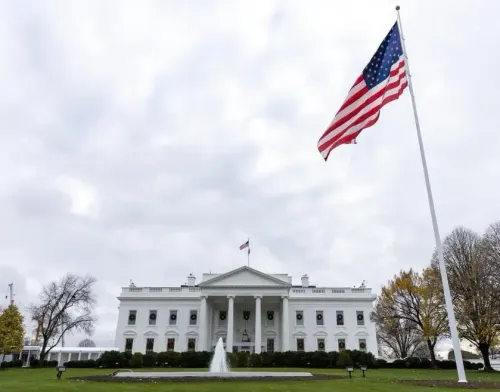
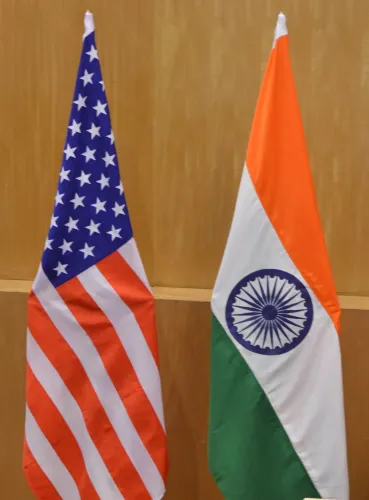
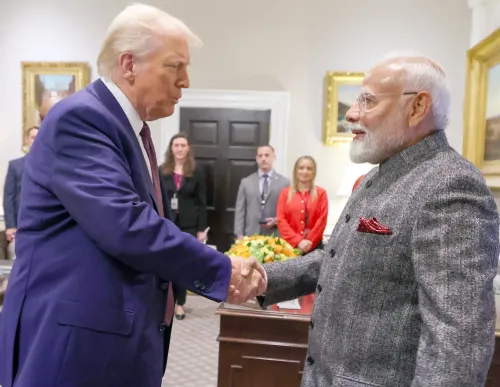
Washington, Feb 3 (NationPress) Lawmakers in the US from both parties applauded the recently announced trade agreement between the United States and India, referring to it as a significant reset in relations between the two largest democracies globally. This agreement is anticipated to enhance trade, bolster energy security, and reshape geopolitical dynamics.
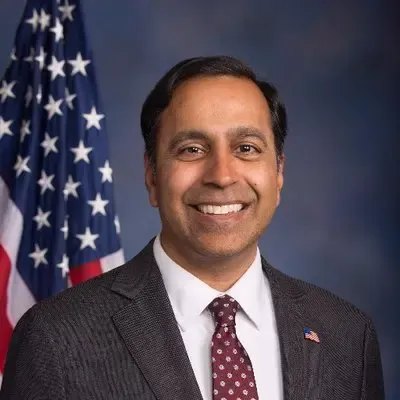
Indian American Congressman Raja Krishnamoorthi remarked that this deal signifies a crucial transition after a challenging period. He stated, “The new US–India trade agreement is a pivotal progression for one of America’s most essential partnerships,” as he informed IANS.
He emphasized that stronger economic ties with India would be mutually beneficial. “Enhancing trade with India, a fellow democracy and strategic ally, will foster growth for workers, businesses, and innovation in both nations,” he mentioned.
Krishnamoorthi pointed out that this agreement comes after a phase where extensive tariffs had “unnecessarily strained” the relationship and negatively impacted both economies. He expressed optimism that the deal enables a chance to “move beyond that chapter.”
US Senator Steve Daines described the agreement as a definitive success. “Today’s accord is a remarkable advancement in a positive direction, a win for everyone involved,” Daines said, commending both President Donald Trump and Prime Minister Narendra Modi.
He highlighted the significance of India’s market access for the US economy, noting, “India stands as the fourth-largest economy globally, and enhanced access to its market will benefit the American economic landscape, including American agriculture.” He also underscored the importance of energy relations, asserting that India’s choice to purchase oil from the US instead of Russia sends a powerful global message. He acknowledged that further efforts are required to address trade imbalances.
Chairman of the Senate Foreign Relations Committee, Jim Risch, remarked that this agreement stands as a major accomplishment. “Congratulations to President Trump for this outstanding achievement,” Risch stated. He welcomed India’s initiative to lower trade barriers and highlighted India as a close partner of the US with a substantial diaspora.
Risch also noted the strategic importance of the deal, asserting that India’s commitment to purchasing American goods would aid in countering Russian aggression and support initiatives aimed at resolving the conflict in Ukraine by reducing assistance to Russia’s energy sector.
Senator Lindsey Graham connected the agreement to pressures on Moscow. “Well done, President Trump,” Graham commented. He noted that encouraging Russia’s energy customers to reconsider their options is beginning to yield results.
Graham asserted that India had “more than deserved this concession” and urged other nations purchasing Russian energy to follow India’s example. “Putin will only negotiate when the consequences are severe,” he stated.
This trade deal emerges as Washington and New Delhi aim for closer cooperation on trade, energy, and the Indo-Pacific region.
Point of View
It is crucial to recognize that this trade agreement between the US and India is not only a positive development for bilateral relations but also a strategic move in the current geopolitical climate. Strengthening ties with a fellow democracy like India can enhance economic opportunities and promote stability in a rapidly changing world. Our commitment remains to provide unbiased coverage that informs and empowers our audience.
NationPress
20 Sept 2026
Frequently Asked Questions
What does the India-US trade deal entail?
The trade deal focuses on enhancing trade relations, improving energy security, and addressing geopolitical challenges between the two nations.
Why is this deal considered a strategic reset?
It is seen as a reset due to the historical tariffs that had previously strained relations, and this agreement aims to foster stronger ties moving forward.
How will this deal impact the US economy?
Increased access to India's market is expected to benefit the American economy, particularly in sectors like agriculture.
What are the geopolitical implications of this agreement?
The deal is expected to enhance US influence in the Indo-Pacific and counter Russian aggression by promoting energy purchases from the US.
Who are the key political figures involved?
Key figures include President Donald Trump, Prime Minister Narendra Modi, and various US lawmakers who have endorsed the agreement.