18th BRICS Summit: India secures diplomatic win on terrorism, Global South
Synopsis
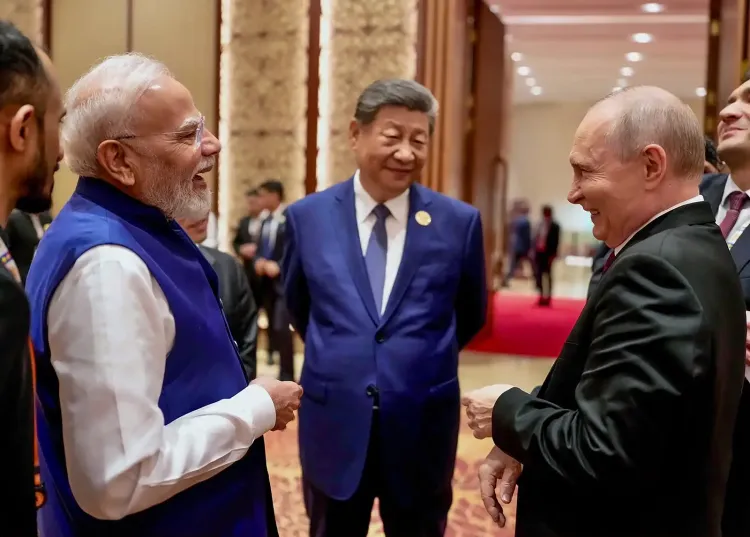
India did not just attend the 18th BRICS Summit — it reportedly shaped its outcome. From steering the bloc away from great-power confrontation to winning an explicit, named condemnation of the April 2025 Pahalgam terror attack in the final declaration, New Delhi's blend of strategic de-hyphenation and autonomy appears to have delivered its most consequential multilateral result since the G-20.
Key Takeaways
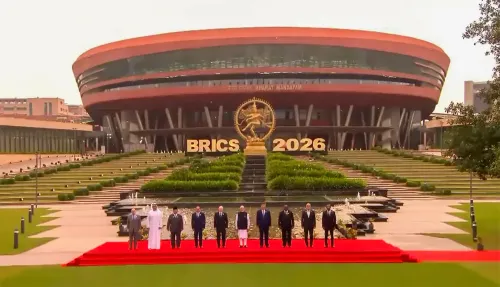
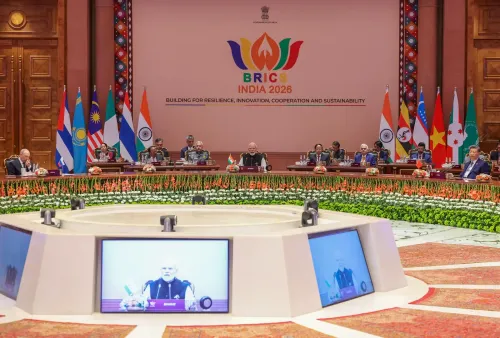
India secured a significant diplomatic win at the 18th BRICS Summit , according to an analysis by India Narrative published on 13 September 2026 .
The BRICS declaration condemned — in the 'strongest terms' — the April 2025 Pahalgam terror attack in Jammu and Kashmir, which killed 26 people .
The declaration specifically flagged cross-border movement of terrorists, terrorism financing, and safe havens, rejecting double standards in countering terrorism.
India used a dual doctrine of strategic de-hyphenation and strategic autonomy to prevent the summit from becoming a Russia-China geopolitical contest.
The report identified three critical shifts for India: reforming global governance structures, becoming a BRICS strategic enabler, and concretising supply chain and economic security through diversification.
India's diplomatic approach mirrored its strategy at the G-20 Summit three years earlier, when similar tools were used under the shadow of the Russia-Ukraine War.
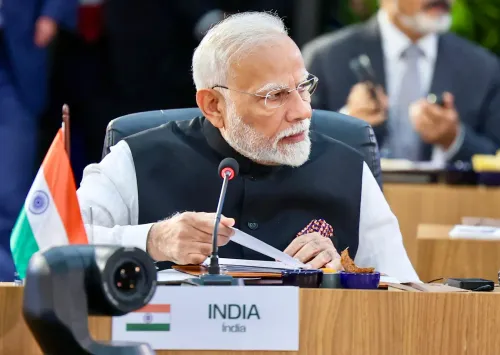
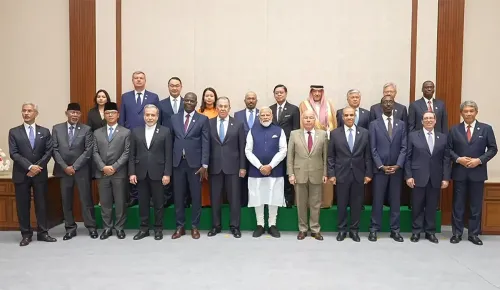
India's carefully calibrated grand strategy delivered a significant diplomatic win at the 18th BRICS Summit, according to a detailed analysis by India Narrative, with New Delhi successfully aligning diverse member-state interests, anchoring multilateralism in pragmatism, and reinforcing its standing as a consequential global player.
India's Strategic Approach at the Summit
According to the report, New Delhi's approach at the BRICS summit reflected a deliberate effort to advance its grand strategic objectives while preventing the forum from degenerating into a geopolitical confrontation — particularly between Russia and China. Hectic backroom negotiations, the analysis noted, underlined a seamless blend of two complementary doctrines: strategic de-hyphenation and strategic autonomy.
Strategic de-hyphenation kept the multilateral forum practical and focused beyond active conflicts and tensions, while strategic autonomy allowed India to foster convergence of interests and bring economics to the centre of the agenda. The report drew a parallel with the G-20 Summit held three years earlier, when a similar mix of the two approaches helped India navigate the forum under the shadow of the Russia-Ukraine War.
Three Shifts the Report Identifies as Critical
The India Narrative analysis outlined three key shifts it argues are essential for India's strategic autonomy to serve both national and global interests simultaneously. First, making multilateralism practical by pushing institutional and structural reforms in global governance rather than echoing bloc politics. Second, promoting India's BRICS vision — as enshrined in its re-anchored acronym — by becoming a strategic enabler to strengthen cooperation and resilience. Third, projecting India as a global major player offering strategic and sustainable alternatives, concretising supply chain and economic security through diversification and greater inclusivity.
Pahalgam Terror Attack Condemnation: A Key Victory
A major diplomatic victory identified in the report was the BRICS declaration's explicit condemnation — in the 'strongest terms' — of the April 2025 Pahalgam terror attack in Jammu and Kashmir, in which 26 people were killed and several others were injured. The attack was carried out by Pakistan-backed terrorists, according to the report.
The declaration also specifically singled out the cross-border movement of terrorists, terrorism financing, and safe havens, while expressing zero tolerance for terrorism and rejecting double standards in countering it. The bloc reaffirmed its commitment to combating terrorism in 'all its forms and manifestations'.
Global South and the Declaration
Apprehension had mounted before the summit that it might fail to reach a consensus declaration, the report noted. India's diplomatic manoeuvring shifted the narrative, aligned national and global interests, and ensured the Global South was adequately represented — allowing the spirit of the BRICS agenda to prevail.
Notably, India's recent decision to sign the SCO declaration — which aligned with Iran's stance — resulted in the joint declaration strongly condemning military strikes on Iranian territory and criticising unilateral Western economic sanctions. The report framed these outcomes as evidence of India's ability to hold multiple diplomatic positions without sacrificing strategic coherence.
What This Signals for India's Global Positioning
The analysis concluded that India's performance at the 18th BRICS Summit sends a clear message about the country's strategic rise — its capacity to shape multilateral outcomes rather than merely participate in them. With the summit declaration now in place, attention will turn to whether the institutional reforms and economic security frameworks India championed translate into concrete deliverables in the months ahead.
Point of View
But the more consequential story is structural: India appears to have used BRICS — a forum increasingly pulled toward an anti-Western axis — to advance a Global South consensus on its own terms. That is a harder needle to thread than getting a terrorism paragraph into a declaration. The real test is whether India can convert this diplomatic positioning into durable institutional reforms, or whether, like previous multilateral wins, it remains a symbolic victory that does not alter the underlying architecture of global governance. The parallel drawn to the G-20 is instructive — New Delhi got its consensus there too, but the Ukraine war continued and G-20 reform stalled.
NationPress
13 Sept 2026
Frequently Asked Questions
What was India's major win at the 18th BRICS Summit?
India secured explicit condemnation of the April 2025 Pahalgam terror attack in the BRICS summit declaration, which used the phrase 'strongest terms' and specifically identified cross-border terrorism, financing, and safe havens. The declaration also reaffirmed zero tolerance for terrorism in all its forms, widely seen as a diplomatic win for New Delhi's longstanding position on Pakistan-backed cross-border terrorism.
What is strategic de-hyphenation and why did India use it at BRICS?
Strategic de-hyphenation is India's approach of keeping multilateral forums focused on practical cooperation rather than allowing them to be dominated by bilateral conflicts or great-power rivalries. At the 18th BRICS Summit, India used it to prevent the forum from becoming a geopolitical contest between Russia and China, steering discussions toward economics and the Global South agenda instead.
What did the BRICS declaration say about the Pahalgam attack?
The BRICS declaration condemned in the 'strongest terms' the April 2025 terrorist attack in Pahalgam, Jammu and Kashmir, in which 26 people were killed and several others were injured. It also singled out cross-border movement of terrorists, terrorism financing, and safe havens, and expressed zero tolerance for terrorism while rejecting double standards in countering it.
How did India balance competing interests at the BRICS Summit?
According to the India Narrative report, India deployed a blend of strategic autonomy and strategic de-hyphenation — using backroom negotiations to bring diverse member states, including Russia and China, to a consensus while ensuring Global South representation in the final declaration. This is reportedly the same approach India used at the G-20 Summit held three years earlier.
What are the three key shifts India's BRICS strategy identified?
The report outlined three shifts: first, making multilateralism practical through institutional reforms in global governance rather than bloc politics; second, promoting India's BRICS vision as a strategic enabler for cooperation and resilience; and third, projecting India as a global major player offering alternatives to navigate global crises through supply chain diversification and greater inclusivity.