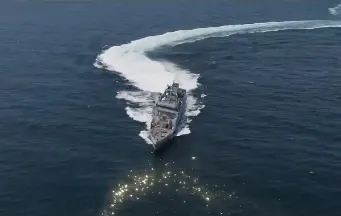
India's Nilgiri, Sandhayak and Arnala warships bolster naval defence
Synopsis
Four indigenous warships commissioned in a single month signals that India's naval shipbuilding has crossed a critical threshold — from one-off launches to serial production. The Nilgiri, Sandhayak and Arnala classes now form a layered defence architecture covering open-ocean combat, seabed mapping and coastal anti-submarine warfare, all designed and built in India.
Key Takeaways
The Nilgiri , Sandhayak and Arnala classes form a three-layer maritime security architecture covering surface combat, hydrography and coastal anti-submarine warfare.
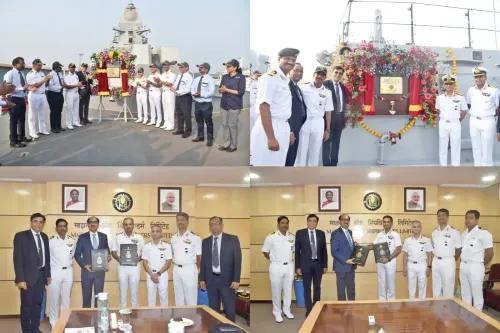
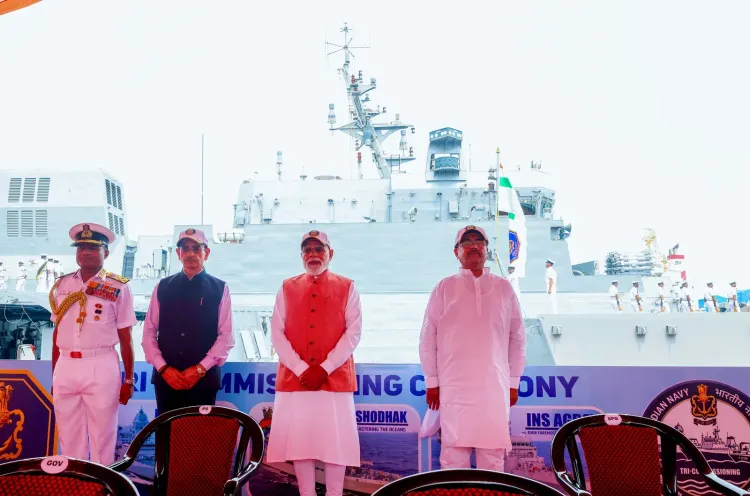
INS Dunagiri , INS Sanshodhak and INS Agray were commissioned last month, with INS Mahendragiri further strengthening the fleet.
All three classes are designed by the Indian Navy's Warship Design Bureau and built in Indian shipyards under the Aatmanirbhar Bharat framework.
The Indian Navy protects a coastline of 11,098 km , an EEZ of 2.4 million sq km and sea lanes carrying 90% of India's trade by volume.
Serial production across all three classes supports hundreds of MSMEs and thousands of skilled jobs in the defence manufacturing ecosystem.
The Indian Navy's three newest indigenous warship classes — Nilgiri, Sandhayak and Arnala — represent a significant step forward in the country's naval capability and defence manufacturing, according to an official factsheet released on Monday, 13 July. The platforms collectively strengthen surface combat, hydrographic surveying and coastal anti-submarine warfare, forming a layered maritime security architecture designed and built entirely in India.
Three Classes, Three Layers of Defence
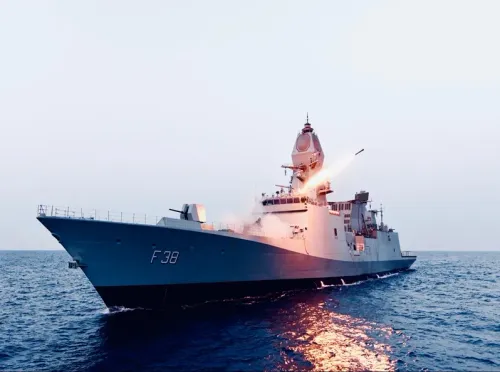
Each class was designed by the Indian Navy's Warship Design Bureau and constructed in Indian shipyards, reflecting the country's growing expertise in frontline warship development. The Nilgiri-class stealth frigates, built under Project 17A, are optimised for high-intensity surface combat. Their reduced radar, thermal and acoustic signatures are intended to improve survivability in contested environments.
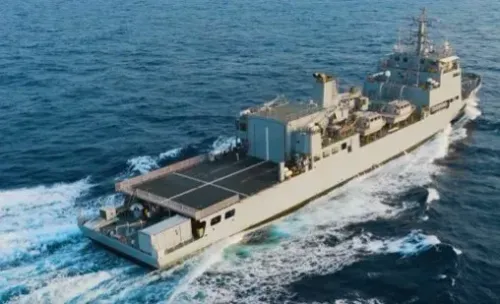
The Sandhayak-class Survey Vessel (Large) ships anchor India's hydrographic capability, mapping the seabed, collecting ocean data and producing nautical charts that support naval operations, maritime trade and the Blue Economy. The class also reinforces India's standing as a trusted hydrographic partner across the Indian Ocean Region.
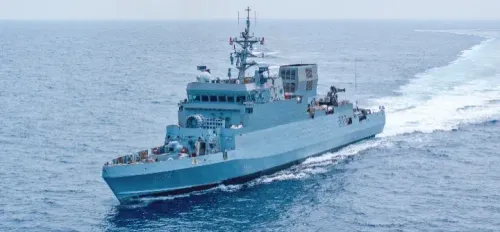
The Arnala-class Anti-Submarine Warfare Shallow Water Crafts operate closer to the coastline, designed to detect and neutralise submarines in littoral waters — a critical layer given the growing undersea activity in the region. All three classes are additionally equipped to conduct humanitarian assistance, disaster relief and search-and-rescue missions.
Recent Commissionings Signal Serial Production
The pace of induction has accelerated markedly. The commissioning of INS Dunagiri, INS Sanshodhak and INS Agray last month — along with the anticipated contribution of INS Mahendragiri — demonstrates that these programmes have moved from prototype to serial production, according to the factsheet. Four new-generation indigenous platforms inducted within a single month marks a notable milestone for Indian shipbuilding.
Aatmanirbhar Bharat and the Defence Ecosystem
Built with high indigenous content, the three classes are positioned as flagship examples of the Aatmanirbhar Bharat initiative in the defence sector. Their production sustains Indian shipyards, supports hundreds of MSMEs and generates thousands of skilled jobs across the supply chain, the factsheet notes. The broader economic multiplier effect extends well beyond the Navy itself.
India's Maritime Stakes
The strategic context underscores why this capability matters. The Indian Navy safeguards a coastline of approximately 11,098 kilometres, an Exclusive Economic Zone of nearly 2.4 million square kilometres, and sea lanes that carry close to 90 per cent of India's trade by volume. As India's maritime interests expand across the Indian Ocean Region, the indigenous warship classes are expected to play a central role in protecting national interests and reinforcing the country's position as a leading maritime power.
With serial production now established across all three classes, the trajectory points toward a Navy that is increasingly self-sufficient — and one that is building the industrial base to sustain that independence over the long term.
Point of View
Yet has historically depended on foreign platforms for critical capability gaps. Whether these three classes can close those gaps — or merely add numbers — will be tested the next time the Indian Ocean's strategic temperature rises.
NationPress
12 Oct 2026
Frequently Asked Questions
What are the Nilgiri, Sandhayak and Arnala warship classes?
They are three new classes of indigenous warships inducted into the Indian Navy, covering stealth surface combat (Nilgiri-class frigates), hydrographic surveying (Sandhayak-class survey vessels) and coastal anti-submarine warfare (Arnala-class crafts). All three are designed by the Indian Navy's Warship Design Bureau and built in Indian shipyards.
Which warships were recently commissioned from these classes?
INS Dunagiri, INS Sanshodhak and INS Agray were commissioned last month, with INS Mahendragiri also set to strengthen the fleet. Four new-generation indigenous platforms were inducted within a single month, according to the official factsheet.
What is the Nilgiri-class frigate and what makes it significant?
The Nilgiri-class stealth frigate is built under Project 17A for high-intensity surface operations. Its reduced radar, thermal and acoustic signatures are designed to improve survivability in combat, and it represents the cutting edge of India's indigenous surface warship capability.
How do these warships support the Aatmanirbhar Bharat initiative?
Built with high indigenous content, the three classes sustain Indian shipyards, support hundreds of MSMEs and generate thousands of skilled jobs. Their serial production deepens self-reliance in defence manufacturing and reduces dependence on foreign platforms.
Why does India's naval capability in the Indian Ocean Region matter?
The Indian Navy safeguards a coastline of approximately 11,098 kilometres, an Exclusive Economic Zone of nearly 2.4 million square kilometres, and sea lanes carrying close to 90 per cent of India's trade by volume. As maritime competition in the Indian Ocean Region intensifies, a layered, self-reliant fleet is central to protecting national interests.