Iran's Larijani Dismisses US Negotiation Talks Amid Rising Tensions

Synopsis
In a decisive statement, Iran's Ali Larijani denies any intention for dialogue with the US, emphasizing Tehran's stance as tensions escalate following the death of Ayatollah Khamenei. As military actions intensify, the implications for regional stability grow increasingly concerning.
Key Takeaways
Larijani rejects negotiations with the US amidst rising tensions.
US airstrikes led to the death of Ayatollah Khamenei.
Iran retaliated with missile attacks on US positions.
Regional nations condemned Iran's actions as reckless .
Trump labeled the military operation as one of the largest offensives in history.
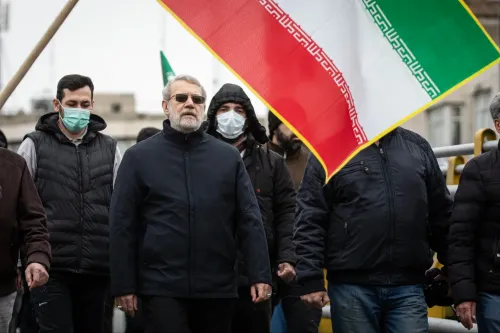
Tehran, March 2 (NationPress) Ali Larijani, the Secretary of Iran's Supreme National Security Council, unequivocally rejected claims suggesting that Tehran is interested in initiating discussions with the United States, as tensions in the Middle East intensify.
On social media platform X, Larijani asserted, "We will not engage in negotiations with the United States."
This statement follows an article from The Wall Street Journal indicating that Larijani was looking to rekindle diplomatic relations with the US through intermediaries from Oman.
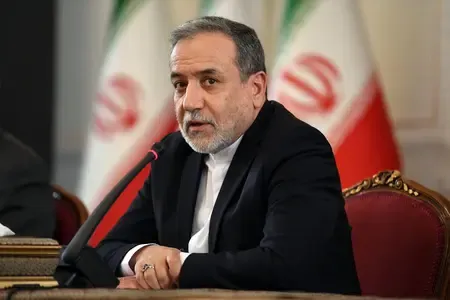
On the previous day, Iran's Foreign Minister Abbas Araghchi condemned the US airstrikes that resulted in the death of Supreme Leader Ayatollah Ali Khamenei, labeling them as unlawful aggression and emphasizing that Tehran would retaliate without hesitation.
In an interview with ABC News, Araghchi completely dismissed Washington's rationale.
"What the United States is doing constitutes an act of aggression. Our actions are rooted in self-defense," he stated.
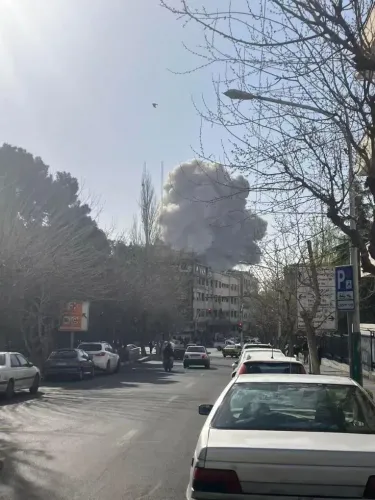
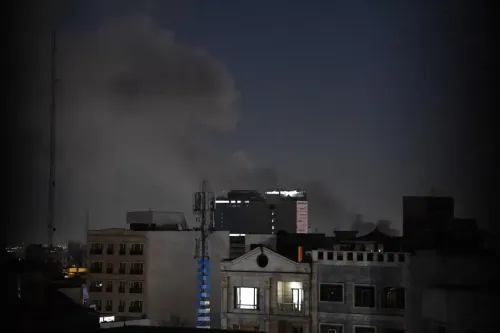
The US and Israel conducted coordinated airstrikes on Iran on February 28, coinciding with ongoing nuclear negotiations between Washington and Tehran. This military operation led to the death of Iran's Supreme Leader Ayatollah Ali Khamenei.
In retaliation, Iran initiated a series of missile strikes across various Middle Eastern countries, targeting US military installations.
The United States, along with six Gulf nations, vehemently condemned what they characterized as "indiscriminate and reckless" missile and drone strikes launched by Iran, labeling the attacks as a "dangerous escalation" threatening regional stability.
In a unified statement from the US State Department, the governments of the United States, Bahrain, Jordan, Kuwait, Qatar, Saudi Arabia, and the UAE denounced the assaults on multiple sovereign states.
"The United States, Bahrain, Jordan, Kuwait, Qatar, Saudi Arabia, and the UAE strongly condemn the reckless missile and drone attacks by the Islamic Republic of Iran against sovereign territories throughout the region," the statement declared.
US President Donald Trump characterized the extensive American military operation against Iran as "one of the largest, most intricate, and most overwhelming military offensives the world has ever witnessed," announcing that Ayatollah Ali Khamenei is deceased and pledging that military actions will persist "until all of our objectives are fulfilled."
Point of View
The rejection of negotiations by Iran's top official highlights the deepening divide between Tehran and Washington. The recent military actions and their repercussions raise critical questions about regional security and diplomatic solutions.
NationPress
28 Sept 2026
Frequently Asked Questions
What prompted Larijani's statement about negotiations?
Larijani's remarks were a response to reports suggesting Iran was open to dialogue with the US, which he firmly denied.
What were the consequences of the US airstrikes?
The US airstrikes resulted in the death of Ayatollah Khamenei, leading Iran to retaliate with missile attacks on US military bases in the region.
How did other nations respond to Iran's missile strikes?
The US and six Gulf nations condemned Iran's attacks, calling them reckless and a dangerous escalation that threatens regional stability.
What was Trump's reaction to the military operation?
President Trump described the military operation as one of the largest and most complex offensives, asserting that operations will continue until all objectives are met.
What does this situation mean for US-Iran relations?
The escalation underscores a significant deterioration in US-Iran relations, further complicating any potential diplomatic engagement.