Karnataka hikes minimum wages 60%, over 1 crore workers to benefit

Synopsis
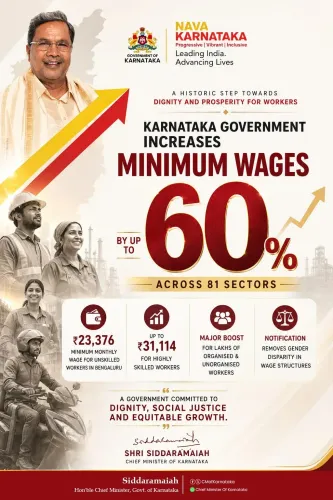
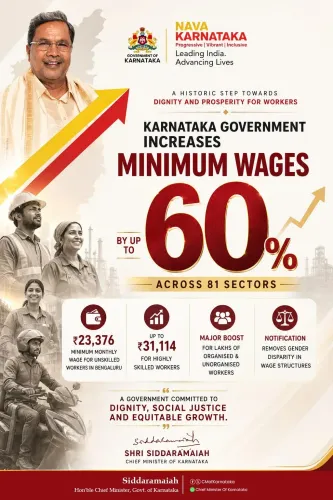
Karnataka has raised minimum wages by an average of 60% — the first such revision in nearly a decade — covering over 81 sectors and more than one crore workers. The move, aligned with a 1991 Supreme Court ruling, merges VDA into base pay and collapses four wage zones into three, but MSME operators are already sounding the alarm on compliance costs.
Key Takeaways
Karnataka raised minimum wages by an average of 60 per cent via a notification issued on 23 May 2025 .
More than one crore workers across 81+ scheduled employment sectors are set to benefit.
Unskilled workers in Zone 3 will receive at least ₹19,300 per month; highly skilled workers in Zone 1 up to ₹31,100 .
All scheduled employments have been brought under a single notification for the first time, with wage zones reduced from four to three.
The last major revision was in 2016–17 ; the new structure follows Supreme Court guidelines from the 1991 Reptakos Brett case .
MSME sector industries had earlier raised concerns over the scale of the proposed hike.
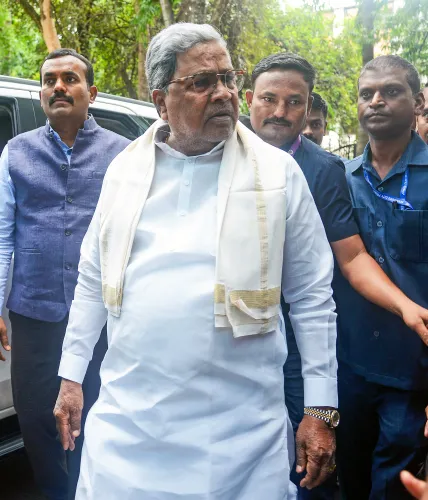
The Chief Minister Siddaramaiah-led Karnataka government issued a notification on Saturday, 23 May raising minimum wages for workers by an average of 60 per cent, a move set to benefit more than one crore labourers across the state. With this revision, Karnataka becomes the third state in the country to issue a revised minimum wage notification, after Uttar Pradesh and Haryana.
What the Revision Covers
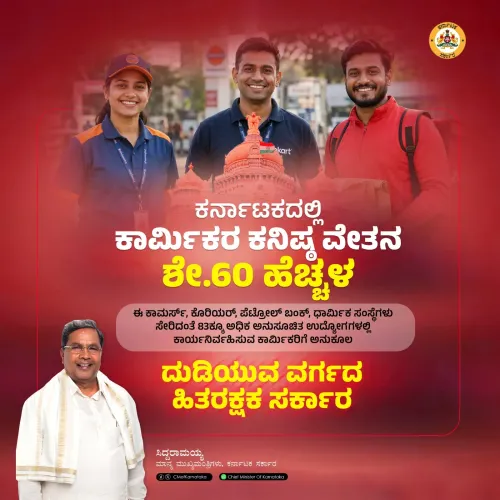
The revised wage structure, notified through the Labour Department, brings all scheduled employments under a single unified notification for the first time. Workers across more than 81 scheduled employment sectors — including private schools and colleges, e-commerce companies, courier services, and religious institutions — are covered under the new framework.
The government has also restructured the earlier four-zone classification into a three-zone system. The Greater Bengaluru region falls under Zone 1, district headquarters under Zone 2, and all remaining areas under Zone 3. Under the revised structure, unskilled workers in Zone 3 will receive a minimum of ₹19,300 per month, while highly skilled workers in Zone 1 will earn up to ₹31,100. A Variable Dearness Allowance (VDA) of ₹1,030 for two years has been merged into the base minimum wage calculation.
What the Government Said
Labour Minister Santosh S. Lad described the revision as a landmark step for Karnataka's working class. 'After deductions towards ESI and PF, many workers were left with very little take-home salary. Some had even fallen outside the BPL category. This wage revision will provide major relief to such workers. It is a revolutionary step aimed at improving the lives of labourers who contribute to nation-building,' he said.
Lad added that extensive consultations were held with labour unions, employers, legal professionals, and domain experts before the notification was finalised. The revision has been implemented in line with Supreme Court guidelines established in the landmark 1991 Reptakos Brett case, which mandates that minimum wages account for household expenditure patterns and rising living costs.
Background and Long-Pending Demand
The last major minimum wage revision in Karnataka was carried out in 2016–17, nearly a decade ago. Labour unions and worker organisations had been pressing for an update, citing sustained inflation and the erosion of real wages. A draft notification had been issued on 11 April last year, drawing broad support from labour groups. However, several industries — particularly those in the MSME sector — had expressed concern over the scale of the proposed hike.
This comes amid a broader national debate on living wages versus statutory minimum wages, with multiple state governments under pressure to align wage floors more closely with actual cost-of-living benchmarks.
Impact on Workers and Industry
The revision is expected to provide significant relief to workers in the unorganised and specified sectors, many of whom had seen their effective take-home pay squeezed by statutory deductions. At the same time, MSME operators have flagged that a 60 per cent average increase could strain smaller enterprises operating on thin margins, raising questions about compliance and enforcement.
The government has not yet detailed a phased implementation timeline or a compliance monitoring mechanism, which industry bodies are likely to seek clarity on in the coming weeks.
Point of View
But the real test is enforcement — Karnataka's unorganised sector has historically seen wide gaps between notified and actual wages. Merging VDA into base pay and collapsing four zones into three is a structural improvement, but without a credible compliance and monitoring mechanism, the revision risks being a notification on paper rather than a pay rise in practice. The MSME pushback is predictable but not without basis: for micro-enterprises already squeezed by GST compliance costs and post-pandemic demand uncertainty, a sudden 60 per cent floor increase could accelerate informalisation rather than formalisation of labour. The government would do well to pair the wage hike with an enforcement roadmap and a phased compliance window for smaller units.
NationPress
7 Oct 2026
Frequently Asked Questions
By how much has Karnataka increased minimum wages?
Karnataka has raised minimum wages by an average of 60 per cent through a notification issued on 23 May 2025. The revision covers more than one crore workers across 81-plus scheduled employment sectors.
Who benefits from the Karnataka minimum wage revision?
Workers across more than 81 scheduled employment sectors benefit, including those in private schools and colleges, e-commerce companies, courier services, and religious institutions. Both organised and unorganised sector workers in specified categories are covered.
What are the new minimum wage rates in Karnataka?
Unskilled workers in Zone 3 (areas outside district headquarters and Greater Bengaluru) will receive a minimum of ₹19,300 per month, while highly skilled workers in Zone 1 (Greater Bengaluru) will earn up to ₹31,100. A VDA of ₹1,030 for two years has been merged into these figures.
When was the last time Karnataka revised minimum wages?
The last major minimum wage revision in Karnataka was carried out in 2016–17, nearly a decade before the current notification. Labour unions had long been demanding an update citing rising inflation and cost of living.
Why have MSME operators raised concerns about the wage hike?
Several industries, particularly in the MSME sector, expressed concern that a 60 per cent average increase could strain smaller enterprises operating on thin margins. They had flagged these concerns after the draft notification was issued on 11 April last year.