Coal Minister Kishan Reddy pushes private investment as 15th auction round begins
Synopsis
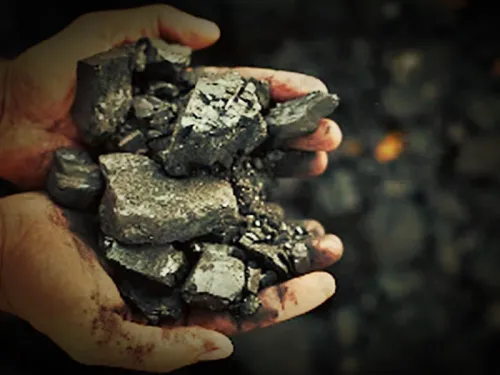
India's coal sector is quietly being reshaped — 14 auction rounds completed, a 15th under way, and private mines now supplying one-fifth of national output. But with operationalisation timelines still stretching past three years and environmental concerns unresolved, the government's privatisation push faces its real test in execution, not announcement.
Key Takeaways
Kishan Reddy met the Consultative Committee of MPs on 6 August to review commercial coal mining reforms.
14 rounds of commercial coal mine auctions have been completed; the 15th round is currently under process.
Captive and commercial mines contributed approximately 20 per cent of India's total coal production in the last financial year.
Operationalisation timelines for fully explored blocks cut from 51 months to 40 months ; partially explored blocks from 66 months to 52 months .
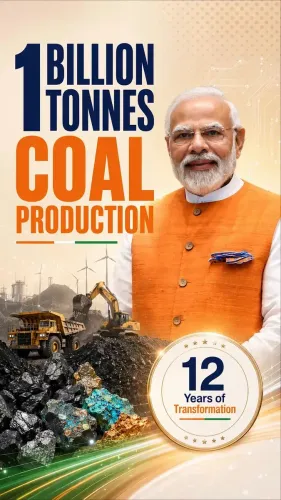
India has sustained 1 billion tonne coal output for the last two financial years, aided by captive and commercial mines.
Committee members called for balancing mining growth with environmental and community safeguards .
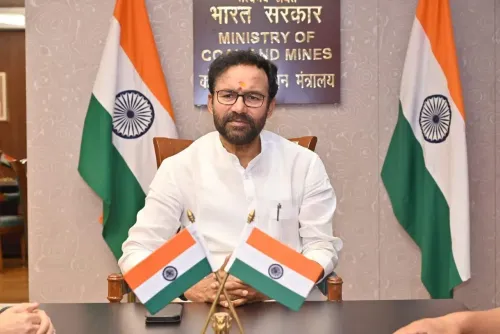
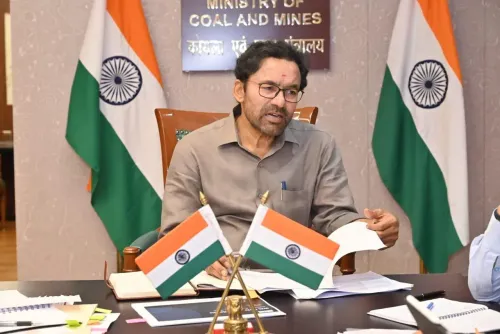
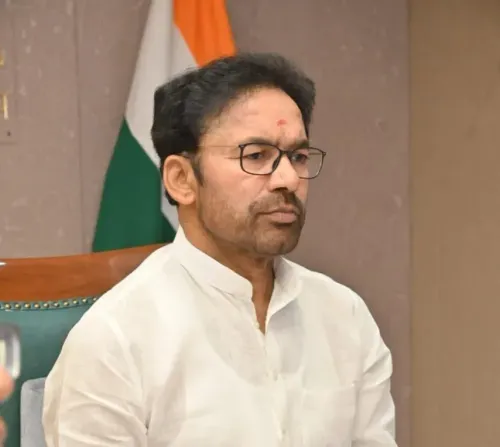
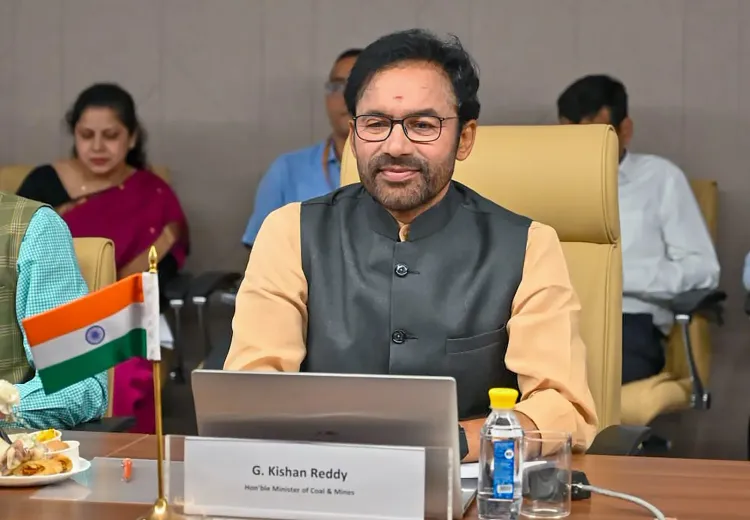
Coal and Mines Minister G. Kishan Reddy on 6 August chaired a meeting of the Consultative Committee of Members of Parliament in New Delhi to review commercial coal mining reforms and strategies to deepen private sector participation, according to an official statement. The session underscored the government's intent to accelerate investment in a sector that has crossed the 1 billion tonne production milestone.
Key Developments
Reddy informed the committee that 14 rounds of commercial coal mine auctions have already been concluded, with the 15th round currently under way. He said the Ministry of Coal is actively conducting roadshows and stakeholder consultations with industry bodies and private companies to broaden awareness and participation. The minister described the transparent auction framework as having fundamentally transformed India's coal sector by fostering competition and attracting fresh investment.
Production Milestones and Sector Reforms
Ministry of Coal Secretary Vikram Dev Dutt told the committee that captive and commercial mines have been instrumental in sustaining 1 billion tonne coal output over the last two financial years. He noted that captive and commercial mines together accounted for roughly 20 per cent of the country's total coal production in the last financial year — a share that reflects the growing footprint of private operators alongside public-sector units.
Dutt also highlighted that continuous sectoral reforms have compressed operationalisation timelines significantly: fully explored blocks have been brought down from 51 months to 40 months, while partially explored blocks have been reduced from 66 months to 52 months. This is a direct response to industry feedback that bureaucratic delays were deterring private bidders.
What the Government Said
Additional Secretary Rupinder Brar presented a detailed overview on commercial coal mining reforms and private sector leverage strategies. Senior officials from the Ministry and coal public-sector undertakings were also present. Reddy assured the attending MPs that their suggestions — particularly around balancing commercial mining growth with environmental and community concerns — would be examined and incorporated into future policy deliberations.
Broader Context
India's push to commercialise coal mining gained formal momentum in 2020, when the government opened the sector to private players for the first time since nationalisation in the 1970s. The 15 auction rounds conducted since then represent a sustained effort to reduce dependence on Coal India Limited and diversify production sources. Notably, private and captive mines contributing 20 per cent of output is a significant jump from near-zero a decade ago, though critics argue the pace remains slow relative to India's growing energy demand. Committee members welcomed the Ministry's reform trajectory but pressed for stronger safeguards on environmental compliance and community displacement — concerns that have shadowed coal expansion projects across central and eastern India.
What Happens Next
The 15th auction round is expected to draw bids from both domestic conglomerates and international mining firms eyeing India's coal reserves. The Ministry's continued roadshow calendar suggests further rounds are being planned in parallel. How quickly operationalisation timelines can be compressed further — and whether environmental clearances keep pace — will determine whether private investment translates into actual production gains.
Point of View
But it is modest progress. India's coal demand is rising faster than its diversification of supply sources, and the operationalisation window — still over three years for partially explored blocks — remains a genuine deterrent for capital-intensive private players. The real stress test for this reform is whether the 15th and subsequent auction rounds attract serious bids beyond the usual domestic conglomerates, and whether environmental clearances — the perennial chokepoint — are streamlined in tandem. Without that, the roadshow calendar risks becoming a ritual rather than a catalyst.
NationPress
20 Sept 2026
Frequently Asked Questions
What is India's commercial coal mining reform programme?
India opened coal mining to private commercial players in 2020, ending decades of near-exclusive public-sector dominance. Since then, the government has conducted 14 completed auction rounds and is processing a 15th, with private and captive mines now contributing around 20 per cent of national coal output.
What did Coal Minister G. Kishan Reddy announce at the parliamentary committee meeting?
Reddy informed the Consultative Committee of MPs on 6 August that 14 commercial coal auction rounds are complete and the 15th is under way. He said the Ministry is holding roadshows and stakeholder consultations to widen private participation and that the auction process has made the sector more competitive.
How have operationalisation timelines for coal mines changed?
Reforms have reduced the time to operationalise fully explored coal blocks from 51 months to 40 months, and partially explored blocks from 66 months to 52 months, according to Ministry of Coal Secretary Vikram Dev Dutt.
What share of India's coal production comes from private and captive mines?
Captive and commercial mines together contributed approximately 20 per cent of India's total coal production in the last financial year, and have helped sustain 1 billion tonne output over the past two financial years.
What concerns did MPs raise at the meeting?
Committee members appreciated the Ministry's reform efforts but flagged the need to balance commercial mining expansion with environmental protection and community welfare. Minister Kishan Reddy assured them their suggestions would be examined and factored into future policy decisions.