Kulgam terror attack: Pak-backed overground workers blamed as 3 CRPF men hurt
Synopsis
The Kulgam attack that injured three CRPF personnel on 11 November is being framed by defence analysts as evidence that Pakistan-backed overground support networks in the Valley remain operational — even as local militant recruitment hits historic lows. With mountain passes set to close and foreign fighters reportedly still active, experts warn the security grid alone may not be enough without civilian intelligence cooperation.
Key Takeaways
Three CRPF personnel were injured in a terrorist attack in Kulgam, Jammu and Kashmir on 11 November 2026 .
Defence experts blame Pakistan-backed 'overground workers' — civilian support networks aiding militant groups — for facilitating the strike.
Vaid said reports indicate 60–70 terrorists remain active in J&K, of whom approximately 95% are foreign nationals.
Retired Captain Anil Gaur described this as the first attack on CRPF personnel anywhere in India in 12 months .
Sehgal cited the impending closure of mountain passes and Farooq Abdullah 's controversial remarks as possible triggers, pending investigation.
Analysts broadly agree terrorists lack the strength for a sustained campaign, but warn overground networks remain an active threat requiring civilian cooperation.
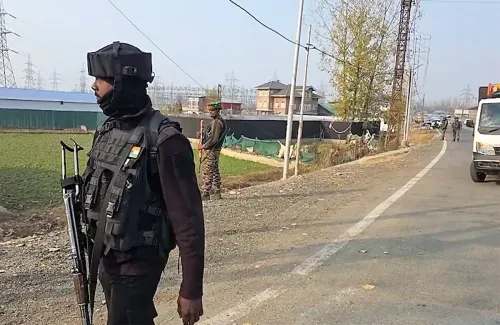
Three Central Reserve Police Force (CRPF) personnel were injured in a terrorist attack in Kulgam district of Jammu and Kashmir on Wednesday, 11 November, prompting defence experts to point squarely at Pakistan-backed 'overground workers' — civilian support networks that allegedly aid militant groups operating in the Valley and beyond.
What Are Overground Workers
'Overground workers' are individuals suspected of providing logistical, financial, or intelligence support to Pakistan-backed terrorist organisations while maintaining a civilian cover. Security analysts say these networks remain one of the most difficult elements to dismantle in the counter-insurgency framework, precisely because they are not easily distinguishable from the general population.
What Defence Experts Said
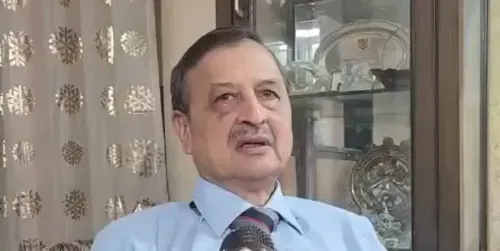
Former Jammu and Kashmir Director General of Police S. P. Vaid acknowledged that terrorist movement persists in the Valley, noting that according to reports, 60 to 70 terrorists remain active in the region, of whom roughly 95 per cent are believed to be foreign nationals, as local recruitment has sharply declined. “It seems overground workers still have an active network, which is being used by Pakistani terrorists,” Vaid said, urging security forces to sustain search operations to neutralise such elements. He also issued a warning, stating that the situation should concern those Army Generals “who run terror factories in Jammu and Kashmir.”
Retired Brigadier Hemant Mahajan echoed the concern, saying several Pakistani agents operating as overground workers are present in Kashmir, making such attacks plausible. He was, however, careful to add that Wednesday's incident is “not the beginning of a series of terrorist attacks because terrorists don’t have that much strength due to our strong security grid in the Valley.”
Retired Captain Anil Gaur put the incident in a broader national context, noting: “This is the first attack on CRPF personnel in the entire country in 12 months, whether you look at Bastar, the Kashmir Valley, or anywhere else.” Gaur suggested the attack may have been a retaliatory strike following a recent joint operation by the CRPF, the Army's Rashtriya Rifles (RR), and the Jammu and Kashmir Police. “This shows that these individuals have now become desperate,” he added, appealing to residents to alert security agencies about any suspicious activity.
Key Questions the Attack Raises
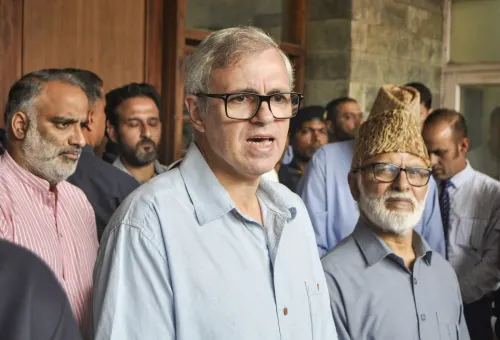
Defence expert P. K. Sehgal outlined the central unknowns: whether the attackers belonged to Lashkar-e-Taiba, Hizbul Mujahideen, or a local outfit; whether they were infiltrators or local militants; and what larger network, if any, they answered to. Sehgal offered two possible motives — the imminent closure of mountain passes, after which Pakistan has historically intensified attacks, and a possible ideological trigger linked to recent remarks by National Conference (NC) President Farooq Abdullah, who drew sharp criticism last month after crediting Pakistan for “saving” Kashmiris and claiming it was Islamabad's diplomatic efforts that ensured their voices were heard globally. Sehgal, however, stressed that “clarity will emerge only after the investigation concludes.”
Security Grid and What Comes Next
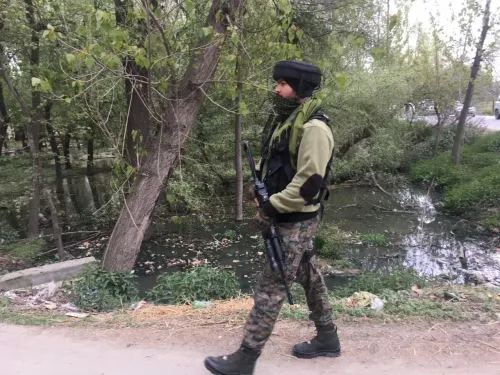
Despite the attack, analysts broadly agree that the security infrastructure in the Valley has become significantly more robust over recent years, with local militant recruitment at a historic low. The incident nonetheless underlines that residual foreign militant presence, sustained through overground support networks, continues to pose a threat. Security forces are expected to intensify cordon-and-search operations in Kulgam in the coming days as investigators work to identify the attackers and their affiliations.
Point of View
Reduced recruitments, a tighter security grid — do not automatically translate into zero incidents. Overground worker networks are the gap that conventional force deployment cannot fully close; they require civilian intelligence, which in turn requires a degree of public trust in security forces. Notably, the emergence of Farooq Abdullah's remarks as a potential motivational factor — cited by a credentialed analyst, not a politician — is a signal that inflammatory political speech in conflict zones carries real security costs, a dimension the mainstream debate rarely quantifies.
NationPress
11 Nov 2026
Frequently Asked Questions
What happened in the Kulgam terror attack on 11 November?
Three Central Reserve Police Force (CRPF) personnel were injured in a terrorist attack in Kulgam district of Jammu and Kashmir on 11 November 2026. The attack has prompted defence experts to highlight the role of Pakistan-backed overground worker networks in enabling such strikes.
Who are 'overground workers' in the context of Kashmir militancy?
Overground workers are individuals who provide logistical, financial, or intelligence support to Pakistan-backed terrorist organisations while maintaining a civilian appearance. Security experts say these networks remain active and are being used by foreign terrorists operating in Jammu and Kashmir.
How many terrorists are currently active in Jammu and Kashmir?
According to former J&K DGP S. P. Vaid, reports indicate that 60 to 70 terrorists remain active in Jammu and Kashmir, of whom approximately 95% are foreign nationals. Local militant recruitment has largely declined, according to Vaid.
Is this attack the start of a broader militant escalation?
Retired Brigadier Hemant Mahajan said the Kulgam attack is 'not the beginning of a series of terrorist attacks' because terrorists lack sufficient strength given the security forces' robust grid in the Valley. However, analysts warn that overground support networks remain active and capable of enabling isolated strikes.
What are the possible motives behind the Kulgam attack?
Defence expert P. K. Sehgal outlined two possible triggers: the impending closure of mountain passes, after which Pakistan has historically intensified attacks, and a potential ideological provocation linked to National Conference President Farooq Abdullah's recent remarks crediting Pakistan for diplomatically supporting Kashmiris. Sehgal stressed final conclusions must await the investigation.