Lok Sabha Approves Additional Spending of Rs 2.01 Lakh Crore for FY26
Synopsis
The Lok Sabha has given the green light for an additional Rs 2.01 lakh crore in government spending, aimed at enhancing economic stability amidst global challenges and ensuring essential subsidies. This significant decision underscores the government's commitment to fiscal discipline.
Key Takeaways
The Lok Sabha has approved an additional expenditure of Rs 2.01 lakh crore .
The total gross additional spending requested was Rs 2.81 lakh crore .
The Economic Stabilisation Fund amounts to Rs 1 lakh crore .
No increase in fiscal deficit beyond 4.4 percent of GDP is expected.
Opposition protests occurred during the approval process.
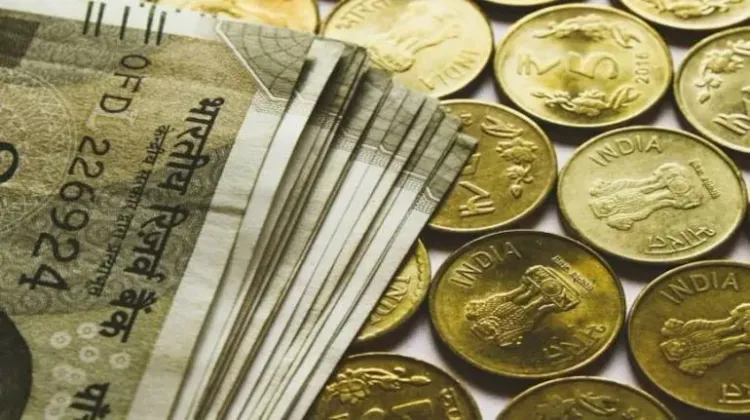
New Delhi, March 13 (NationPress) On Friday, the Lok Sabha sanctioned the second batch of Supplementary Demands for Grants, facilitating the government to allocate an additional Rs 2.01 lakh crore for the existing financial year.
The government had requested approval for a total additional expenditure of Rs 2.81 lakh crore. However, considering projected extra receipts of Rs 80,000 crore for the current fiscal, the net increase in cash spending is Rs 2.01 lakh crore.
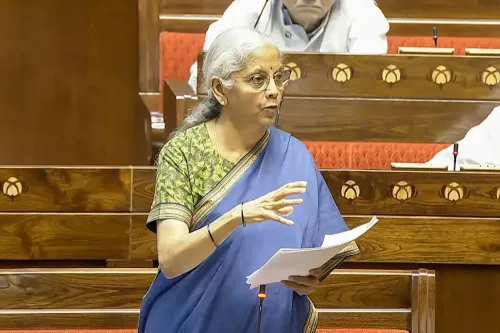
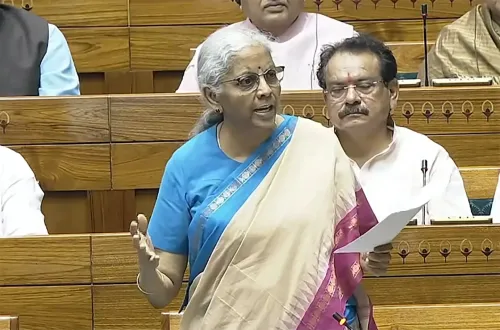
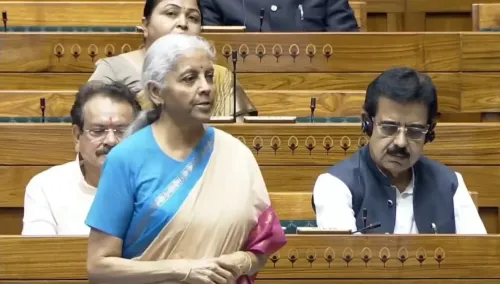
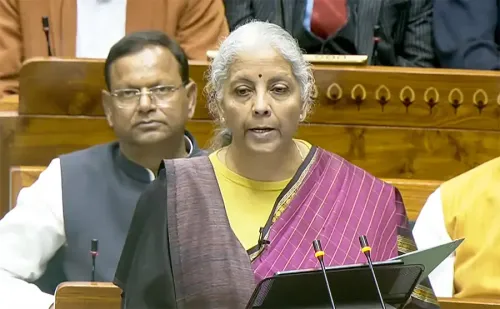
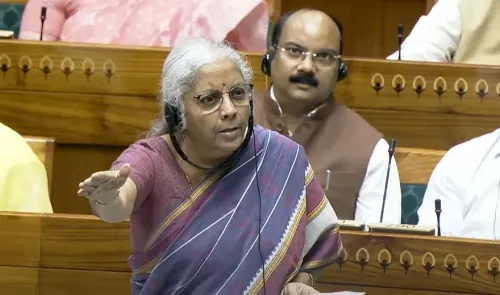
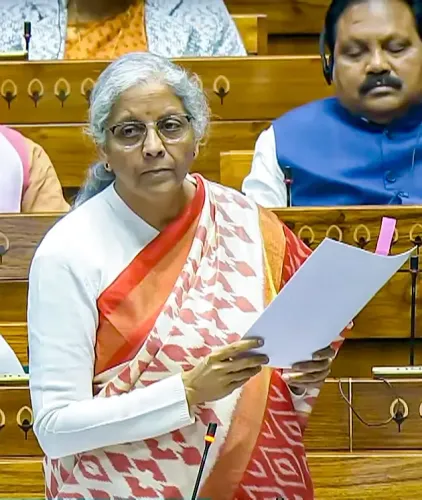
During her address to the House, Finance Minister Nirmala Sitharaman assured that this new expenditure will not elevate the fiscal deficit above the government's target. She stated, "There is no increase in expenditure beyond the Budget Estimates of 2025-26 due to the second Supplementary Demand for Grants."
The supplementary demands encompass funding for the establishment of an Economic Stabilisation Fund amounting to Rs 1 lakh crore. Approval was also sought for an additional Rs 19,230 crore for fertiliser subsidies and Rs 23,641 crore for subsidies under the Pradhan Mantri Garib Kalyan Anna Yojana (PMGKAY). Noteworthy allocations include Rs 41,822 crore for the defence ministry.
"The Rs 1 lakh crore Economic Stabilisation Fund will provide fiscal flexibility to help India navigate global challenges," Sitharaman emphasized.
She also mentioned that the fund will serve as a buffer to mitigate shocks stemming from unforeseen global events, such as the ongoing conflict in Iran.
The Finance Minister reassured that there would be no fertiliser shortages for farmers, and sufficient provisions have been incorporated in the supplementary demands.
The Lok Sabha approved the supplementary demands via a voice vote amidst disruptions, with opposition members protesting over the availability of LPG given the ongoing crisis in West Asia. Following this, the House was adjourned for the day.
According to the Revised Estimates for 2025-26, the fiscal deficit remains stable at 4.4 percent of GDP, consistent with the figures projected in the Budget Estimates.
Point of View
The Lok Sabha's approval of additional spending reflects the government's strategic approach to maintain economic stability and address pressing needs, ensuring that fiscal discipline remains a priority even in challenging global conditions.
NationPress
14 Oct 2026
Frequently Asked Questions
What is the total additional spending approved by Lok Sabha?
The Lok Sabha approved an additional spending of Rs 2.01 lakh crore for the current financial year.
What is the purpose of the Economic Stabilisation Fund?
The Economic Stabilisation Fund, amounting to Rs 1 lakh crore, is intended to provide fiscal flexibility and buffer against global economic shocks.
Who is the Finance Minister overseeing this approval?
Finance Minister Nirmala Sitharaman is overseeing the approval of the supplementary demands for grants.
What is the projected fiscal deficit for 2025-26?
The projected fiscal deficit for 2025-26 remains at 4.4 percent of GDP.
Was there any opposition during the approval process?
Yes, the approval process faced disruptions from opposition members protesting over LPG availability amid the West Asia crisis.