DAC-Based LPG Deliveries Cross 94.5% Mark to Curb Diversion: Govt
Synopsis
India's DAC-based LPG delivery system has crossed 94.5% compliance, nearly sealing a decades-old diversion loophole. With online bookings at 99%, 8 lakh new PNG connections, and 42,000+ consumers surrendering LPG links, India's cooking fuel landscape is transforming at an unprecedented pace.
Key Takeaways
DAC-based LPG deliveries have crossed 94.5 per cent compliance nationally, significantly curbing cylinder diversion to commercial users.
Online LPG cylinder bookings have reached approximately 99 per cent industry-wide as of April 25, 2026 .
More than 18.63 lakh 5-kg FTL cylinders have been sold since April 1, 2026 , with 80,000 sold on Friday alone .
PSU OMCs have held over 8,770 awareness camps since April 3, selling more than 1,38,000 FTL cylinders directly to consumers.
Since March 2026 , nearly 8 lakh new PNG connections have been created or are under infrastructure development, with 42,280 consumers surrendering LPG connections via MYPNGD.in.
Fertiliser plants are receiving approximately 95 per cent of their average gas allocation, while industrial and commercial sectors receive up to 80 per cent .
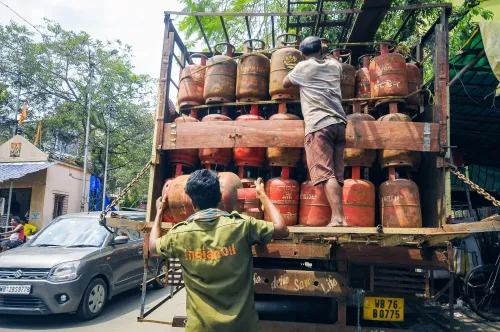
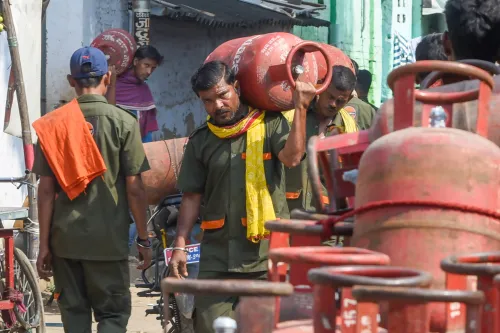
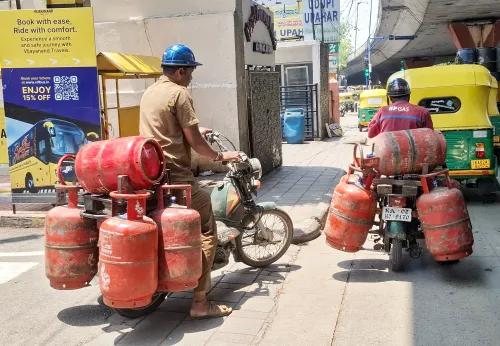
New Delhi, April 25, 2025: The Indian government on Saturday announced that Delivery Authentication Code (DAC)-based LPG gas deliveries have crossed the 94.5 per cent threshold nationwide, a major milestone in its ongoing crackdown on cylinder diversion. Simultaneously, online LPG cylinder bookings surged to approximately 99 per cent across the industry, signalling a dramatic shift in how Indians access cooking fuel. The Ministry of Petroleum and Natural Gas released these figures amid a broader push to modernise and secure India's LPG supply chain.
Key Numbers: LPG Sales and 5-kg FTL Cylinders
Since April 1, 2026, more than 18.63 lakh 5-kg Free Trade LPG (FTL) cylinders have been sold across the country. On Friday alone, approximately 80,000 five-kilogram small cylinders were sold, reflecting a strong and growing consumer uptake for the smaller, more affordable format.
The Public Sector Unit Oil Marketing Companies (PSU OMCs) have been instrumental in driving this adoption. Since April 3, 2026, they have organised more than 8,770 awareness camps dedicated to 5-kg FTL cylinders, through which over 1,38,000 cylinders were sold directly. On Friday, 5,717 FTL cylinders were sold through more than 230 such camps across India.
Commercial LPG Sales and PNG Expansion
During April 2026 (up to April 24), a total of 1,55,524 metric tonnes of commercial LPG was sold — equivalent to more than 81.85 lakh 19-kg cylinders. This figure underscores the scale of India's commercial cooking fuel dependency and the pressure on the distribution system.
On the Piped Natural Gas (PNG) front, since March 2026, more than 5.36 lakh new PNG connections have been gasified. Infrastructure for an additional 2.61 lakh connections has been created, bringing the total to 7.97 lakh connections. About 6.05 lakh customers have registered for new connections, and as of April 24, more than 42,280 PNG consumers have surrendered their LPG connections via the MYPNGD.in portal.
Government's Gas Allocation Strategy
The government has prioritised 100 per cent gas supplies to domestic PNG and CNG-Transport sectors, ensuring no disruption to essential users. For the fertiliser sector, overall gas allocation has been enhanced to approximately 95 per cent of their six-month average consumption — a critical move given India's agricultural dependence on fertilisers.
For other industrial and commercial sectors, including those served through City Gas Distribution (CGD) networks, gas supply has been ramped up to 80 per cent. CGD entities have been specifically directed to prioritise PNG connections for hotels, restaurants, and canteens across all their Geographical Areas (GAs) to ease pressure on commercial LPG availability.
CGD Companies Offering Incentives; States Asked to Fast-Track Approvals
Major CGD companies — including Indraprastha Gas Limited (IGL), Mahanagar Gas Limited (MGL), GAIL Gas, and BPCL — are actively offering incentives to attract both domestic and commercial PNG consumers. These incentives are designed to accelerate the shift away from LPG cylinders and towards piped gas infrastructure.
State governments, Union Territories, and Central Ministries have been formally requested to fast-track approvals required for CGD network expansion. This administrative push is critical, as regulatory delays have historically been a bottleneck in scaling PNG infrastructure across India.
Why This Matters: The Anti-Diversion Battle
The DAC system is a technology-driven solution that requires delivery personnel to obtain a one-time authentication code from the consumer before completing a cylinder delivery. This effectively prevents cylinders meant for subsidised domestic use from being diverted to commercial establishments — a long-standing problem that has cost the government billions in subsidy leakages annually.
The jump to 94.5 per cent DAC compliance is significant. It means the vast majority of LPG deliveries are now verified at the consumer's doorstep, closing a loophole that black-market operators and unscrupulous distributors had exploited for years. Combined with near-universal online booking, the system is becoming increasingly difficult to game.
This comes amid India's broader energy transition agenda, where the government is simultaneously pushing PNG, CNG, and renewable energy to reduce LPG subsidy burdens and carbon emissions. The rapid expansion of PNG connections — nearly 8 lakh in under two months — suggests the transition is accelerating faster than many industry analysts had projected.
As the Petroleum Ministry continues to scale these reforms, the coming weeks will be critical in determining whether DAC compliance can reach the 100 per cent target and whether PNG infrastructure can absorb the growing demand from consumers surrendering LPG connections.
Point of View
Where subsidised domestic LPG routinely fuelled commercial kitchens at the taxpayer's expense. What's striking is the simultaneity of reforms: online bookings at 99 per cent, 8 lakh PNG connections in weeks, and 42,000 consumers voluntarily surrendering LPG links. Critics will rightly ask why it took this long, but the data now suggests a tipping point has been reached. The real test will be sustaining 100 per cent DAC compliance and ensuring PNG infrastructure reaches rural and semi-urban India — not just metro corridors.
NationPress
29 Sept 2026
Frequently Asked Questions
What is a Delivery Authentication Code (DAC) for LPG?
A Delivery Authentication Code (DAC) is a one-time code that LPG consumers must provide to the delivery person to authenticate and complete a cylinder delivery. This system prevents subsidised domestic cylinders from being diverted to commercial use, closing a major subsidy leakage loophole.
How many 5-kg FTL LPG cylinders have been sold in April 2026?
More than 18.63 lakh 5-kg Free Trade LPG (FTL) cylinders have been sold since April 1, 2026. On a single day — Friday, April 25 — approximately 80,000 such cylinders were sold across India.
How many PNG connections have been added in India since March 2026?
Since March 2026, more than 5.36 lakh PNG connections have been gasified, with infrastructure created for an additional 2.61 lakh connections, totalling 7.97 lakh new connections. About 6.05 lakh customers have also registered for new PNG connections.
Why is the government pushing PNG connections over LPG cylinders?
The government is promoting PNG connections to reduce LPG subsidy burdens, curb diversion of subsidised cylinders, and advance India's clean energy transition. PNG is also more cost-effective and convenient for consumers in the long run.
Which CGD companies are offering incentives for PNG connections in India?
Major City Gas Distribution companies — IGL, MGL, GAIL Gas, and BPCL — are currently offering incentives for both domestic and commercial PNG connections. These incentives are part of a government-backed push to accelerate the shift from LPG cylinders to piped natural gas.