Mamata Banerjee and Pinarayi Vijayan face political reckoning after 2026 polls
Synopsis
The 2026 Assembly elections have delivered a rare double reckoning: Mamata Banerjee faces her sharpest internal challenge in 15 years as the BJP tightens its grip on Bengal, while Pinarayi Vijayan contends with a UDF defeat in Kerala and an ED inquiry touching his family. Two of India's most powerful regional leaders are simultaneously navigating the limits of their authority.
Key Takeaways
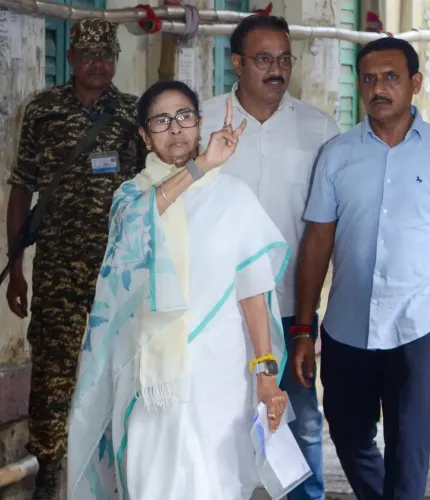
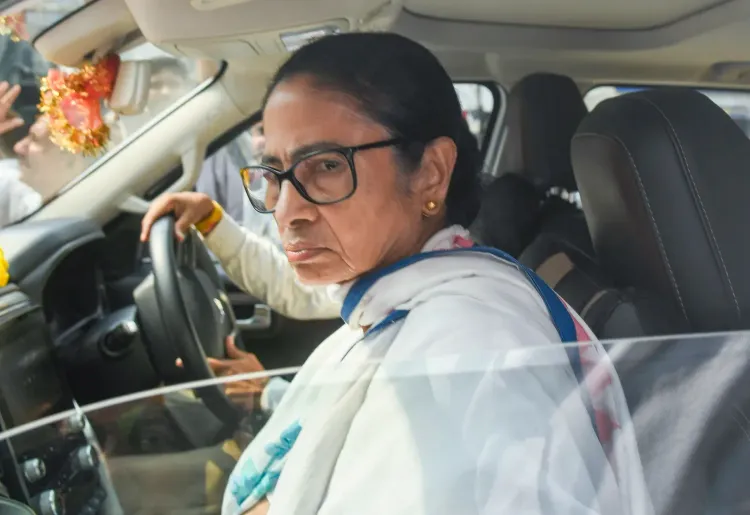
Mamata Banerjee faces her strongest challenge in 15 years as TMC allies distance themselves and the BJP expands in West Bengal .
Pinarayi Vijayan 's decade in power in Kerala ended with a UDF victory in the 2026 Assembly elections , widely read as a rejection of his administration.
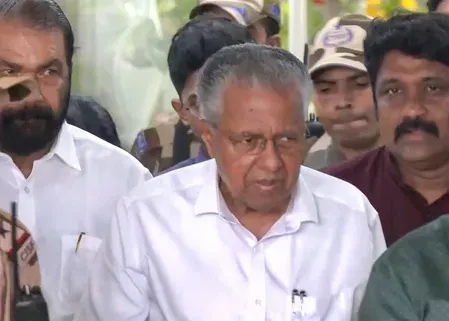
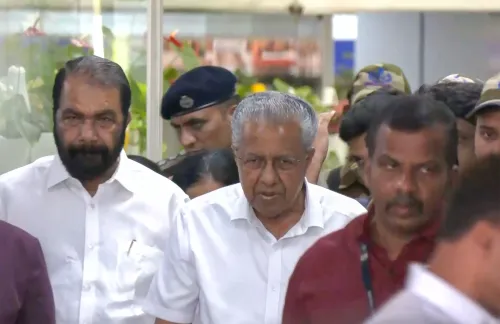
An Enforcement Directorate search at Vijayan's residence, linked to an inquiry involving his daughter Veena Vijayan , briefly unsettled his political standing.
Banerjee was seen alongside Sonia Gandhi at an INDIA bloc meeting — a significant shift in her opposition positioning.
CPI-M MP John Brittas represented Vijayan at the same meeting, signalling continued engagement with the national opposition platform.
Mamata Banerjee and Pinarayi Vijayan — the two most dominant regional leaders of the last decade and a half — are both navigating significant political turbulence in the aftermath of the 2026 Assembly elections, even as the nature of the challenges they face differs sharply. Two states, two parties, and two distinct crises have converged to signal a new era of accountability for India's most entrenched regional power centres.
Banerjee's Toughest Test in Bengal
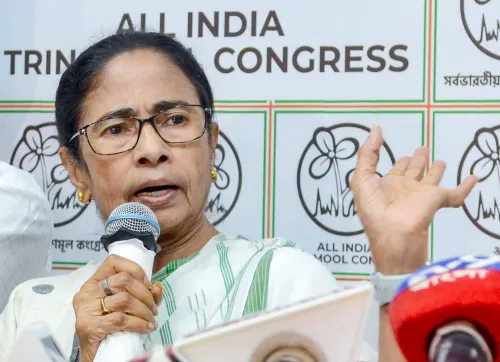
In West Bengal, Mamata Banerjee's grip on power — unchallenged for 15 years — is facing its most serious stress test yet. Leaders and factions that once operated firmly within the All India Trinamool Congress (TMC) orbit are reportedly distancing themselves as the Bharatiya Janata Party (BJP) continues to expand its footprint across the state.
The political irony is hard to miss. The Communist Party of India (Marxist) (CPI-M), which governed Bengal for 32 years before being swept out by Banerjee's TMC, now finds itself watching its former rival struggle against the same kind of electoral tide that once engulfed the Left. The wheel, as political observers note, has come full circle.
Vijayan's Kerala: A Different Kind of Reckoning
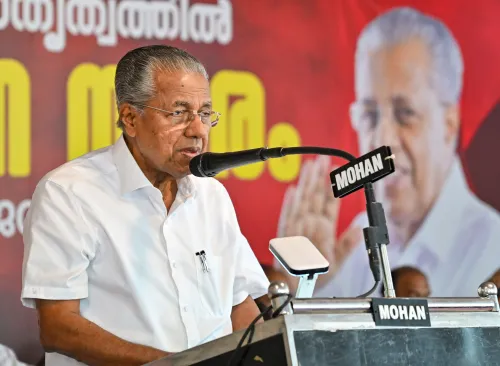
In Kerala, Pinarayi Vijayan's decade in office ended with the Congress-led United Democratic Front (UDF) returning to power in the 2026 Assembly polls — a result widely interpreted as a public verdict against his administration. Internal party forums within the CPI-M saw pointed criticism of his governance style in the immediate aftermath.
Yet, unlike in Bengal, the dissent within the CPI-M was short-lived. After intense internal deliberations and a process of self-criticism, the party closed ranks around Vijayan. Political observers suggest he might have navigated this transition with relative ease had it not been for an unexpected development: an Enforcement Directorate (ED) search at his rented residence, linked to an investigation involving his daughter Veena Vijayan. The episode, according to observers, briefly disrupted the political equilibrium around him.
Opposition Signals and Strategic Shifts
The latest political moves by both leaders have drawn attention. Banerjee, who had previously maintained a studied distance from the national opposition platform, was recently seen alongside Congress leader Sonia Gandhi at an INDIA bloc meeting — a notable repositioning for a leader who had long resisted alignment with the Congress-led opposition grouping.
Vijayan was absent from the same meeting, but his trusted aide and Rajya Sabha MP John Brittas attended as the CPI-M's representative, signalling that Kerala's veteran leader has not entirely stepped back from the broader opposition strategy.
What the Parallel Tells Us
Together, the trajectories of Banerjee and Vijayan illustrate a broader truth about Indian regional politics: even the most deeply entrenched leaders are not immune to the pressures of democratic churn. The 2026 election cycle has made that case with unusual clarity. How both leaders respond to these pressures — and whether their parties can adapt — will shape the political landscape of two of India's most politically consequential states in the years ahead.
Point of View
Party-as-extension-of-leader, and long incumbency — is under pressure across the board. Banerjee's problem is existential; the BJP's Bengal advance is not a blip. Vijayan's is reputational, compounded by the ED angle, which the CPI-M's organisational discipline has so far contained but not erased. What mainstream coverage misses is the divergence in institutional response: the CPI-M, for all its internal criticism, still has the organisational machinery to absorb a leader's stumble; the TMC, built almost entirely around Banerjee, does not. That asymmetry may matter more than the electoral numbers as both states head into the next political cycle.
NationPress
26 Oct 2026
Frequently Asked Questions
What political challenges is Mamata Banerjee facing after the 2026 elections?
Mamata Banerjee is facing her toughest political challenge in 15 years, with TMC leaders reportedly distancing themselves as the BJP continues to expand its influence in West Bengal. Internal cohesion within the TMC is under strain amid an unprecedented battle for political space.
Why did Pinarayi Vijayan face criticism after the 2026 Kerala election?
The Congress-led UDF's return to power in Kerala after a decade was widely seen as a public rejection of Vijayan's administration. Internal CPI-M forums raised criticism of his governance style, though the party eventually closed ranks around him after self-critical deliberations.
What is the Enforcement Directorate case linked to Pinarayi Vijayan?
An ED search was conducted at Vijayan's rented residence in connection with an investigation involving his daughter Veena Vijayan. Political observers noted the episode briefly disrupted the political equilibrium around him, even as the CPI-M maintained its support for the veteran leader.
What does Mamata Banerjee's appearance at the INDIA bloc meeting signal?
Banerjee's presence alongside Sonia Gandhi at the INDIA bloc meeting marks a notable shift — she had previously kept her distance from the Congress-led opposition platform. Analysts see it as a strategic repositioning in response to the BJP's growing pressure in West Bengal.
How do the political situations in West Bengal and Kerala compare after 2026?
Both states have seen their long-dominant leaders face accountability after the 2026 elections, but the nature of the challenge differs. Banerjee faces open internal pressure and a rising BJP, while Vijayan's CPI-M has largely contained dissent through its organisational structure, though the ED inquiry adds an unresolved dimension.