Digital Warfare: Memes and Satire Erupt Amid West Asia Conflict
Synopsis
As tensions continue in West Asia, the online landscape has erupted with memes and satire aimed at both the U.S. and Iran. This digital battleground showcases creativity while highlighting the stark realities behind the conflict. Explore how humor is being weaponized in a serious geopolitical landscape.
Key Takeaways
Memes are emerging as a significant tool in the West Asia conflict.
Operation Epic Fury represents a pivotal U.S. military initiative.
AI plays a crucial role in strategizing military operations.
Social media serves as a battleground for influencing public perception.
The serious implications of the conflict are often masked by humor.
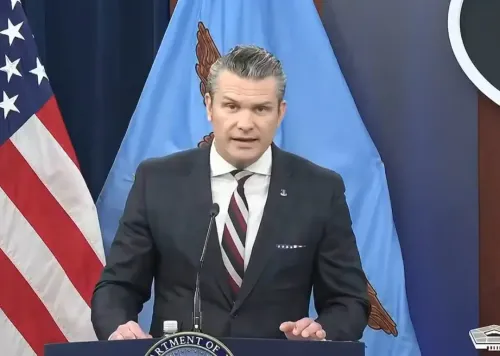
New Delhi, April 15 (NationPress) A significant portion of the unrest in West Asia has found its way into the digital realm, resulting in a surge of memes, parodies, and satirical online content aimed at ridiculing the United States, especially focusing on President Donald Trump and the U.S. military.
Iran seems to have transformed social media into a platform for meme warfare, where governmental and embassy-affiliated accounts deploy humor, satire, and AI-generated content to challenge Washington’s credibility.
In contrast, U.S. officials have also shared humorous visuals targeting Tehran.
Just last month, shortly after the escalation of tensions following the Iran attack, the White House shared montages from films like Top Gun, Braveheart, and Breaking Bad on social media with the tagline “Justice the American way.” Another post titled “Touchdown” depicted American football players tackling each other with exaggerated effects. The creativity in the online space has become quite explosive.
From jokes about SpongeBob SquarePants to edited video game clips, U.S. accounts and those aligned with Tehran have been exchanging viral content, undermining each other while seeking to rally support and influence public perception.
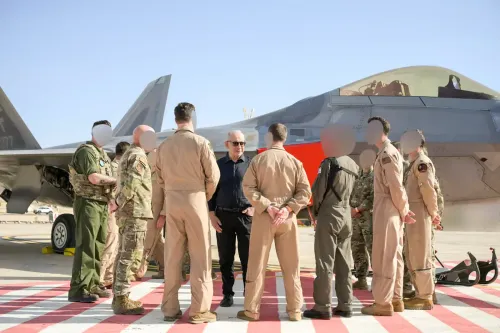
In March, a video from the commander of the United States Central Command for Operation Epic Fury, Admiral Brad Cooper, emphasized the vital role of artificial intelligence in over 5,500 strikes against Iran.
Operation Epic Fury is the military initiative that began on February 28, claiming to dismantle Iran's military capabilities and governance.
The opposing sides have shared satirical videos portraying U.S. officials pleading for regime change in Washington, thereby flipping the American narrative regarding Iran.
Moreover, Iranian embassies have unleashed a wave of memes, primarily mocking the U.S. President. These accounts frequently “tag” each other in meme battles, humorously chastising one another for content theft. This coordinated trolling fosters a sense of unity and reinforces the narrative that Iran stands together in its derision of U.S. power.
On the intervening Tuesday-Wednesday night (India time), Iran’s Embassy in Tajikistan released a viral spoof video lampooning Trump’s controversial AI-generated image of himself as Jesus. The parody included a “Jesus climax” where Jesus himself confronts Trump, hurling him into a fiery abyss.
Just the day prior, Trump’s social media account posted an AI-generated image of him as Jesus Christ, later stating it was intended to depict him as a doctor with the Red Cross.
This post ignited backlash, especially after Trump criticized Pope Leo XIV for his response to Trump’s remarks on the Iran conflict. Trump subsequently deleted the image but declined to apologize.
Tehran appears to have mobilized teams and tools to generate spoof content targeting U.S. officials, amplifying ridicule across social media platforms. Content spreads through X-handles, Telegram, and Instagram, which predominantly share sarcastic posts mocking Trump’s updates on Truth Social.
One viral meme exclaimed: “Trump, please talk. We’re bored” – a clear jab at his frequent social media activity. Another depicted Trump as a baffled gamer, labeling it “rage-quitting” after being defeated by Iran in a simulated digital conflict.
Additionally, Lego-style animations, caricatures, and edited visuals have gone viral, turning online trolling into a potent tool for influence in the ongoing strife. Viral videos illustrated U.S. pilots and soldiers as clumsy Lego figures, often outmatched by Iranian forces.
A widely circulated Lego animation featured an Iranian pilot pursuing a U.S. F-35 pilot, humorously represented on crutches. Another skit mocked U.S. soldiers struggling to assemble their weapons while Iranian troops easily dismantled them.
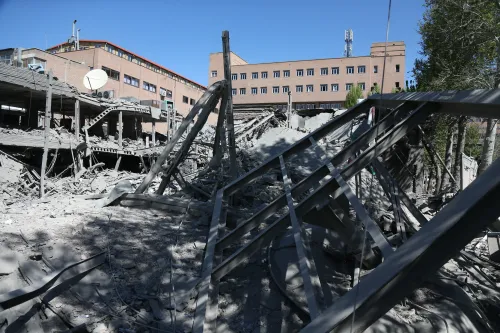
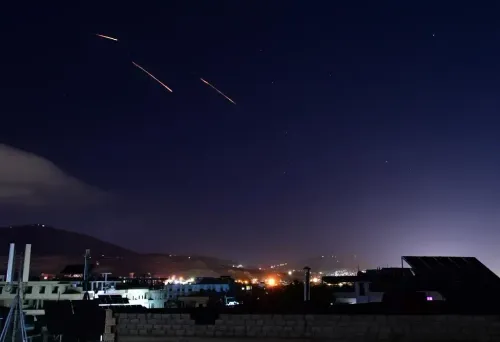
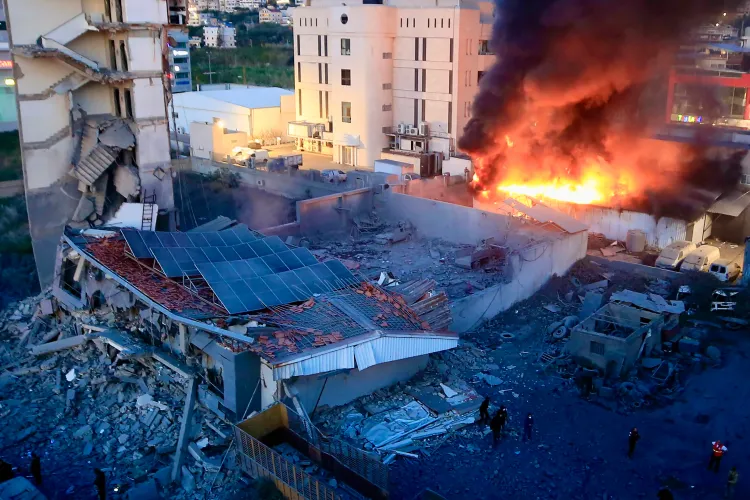
Nonetheless, the actual conflict is far from a laughing matter. Beneath the surface of memes and satire lies the grim reality of lost lives and property, as the global economy grapples with the severe uncertainties of maritime traffic.
Point of View
The article highlights a fascinating intersection of humor and conflict in the digital age. While memes provide an outlet for expression, they also underscore the serious implications of the ongoing geopolitical strife. This blend of satire and reality reflects the complexity of modern warfare and the role of social media in shaping narratives.
NationPress
19 Sept 2026
Frequently Asked Questions
How are memes influencing public opinion in the West Asia conflict?
Memes and satirical content are being used by both sides to shape narratives, mock opponents, and rally support, thus influencing public perception.
What is Operation Epic Fury?
Operation Epic Fury is a U.S. military initiative that began on February 28, aiming to dismantle Iran's military capabilities and regime.
Why did Trump post an AI-generated image of himself as Jesus?
Trump claimed the image was meant to depict him as a doctor with the Red Cross, sparking controversy and backlash.
What role does artificial intelligence play in the conflict?
AI is being utilized to generate content and strategize military operations, significantly influencing the dynamics of the conflict.
How are social media platforms being used in this context?
Social media platforms serve as arenas for meme battles, where both U.S. and Iranian accounts share content to mock and undermine each other's narratives.