Middle East War Hits Southern Africa: Minister Lamola Warns of Rising Costs
Synopsis
South African Minister Ronald Lamola warned that the Middle East conflict is directly hitting Southern Africa with rising oil prices, food insecurity, and cost-of-living crises — just as South Africa prepares to lead SADC from August 2026. The warning exposes how deeply global conflicts shape African economic realities.
Key Takeaways
Minister Ronald Lamola warned on April 24, 2025 , that the Middle East conflict is directly impacting Southern Africa with rising oil prices and higher fertiliser costs.
The minister linked the US-Israel war on Iran and Lebanon to economic shockwaves affecting the entire SADC region .
Compounding pressures include unemployment, food insecurity, climate shocks, communicable diseases , and heavy sovereign debt burdens across member states.
Intra-regional trade within SADC fluctuates between just 19 and 23 per cent , signalling weak economic integration.
South Africa was appointed interim SADC chair in November 2025 and will assume the official chairship from August 2026 to August 2027 .
Lamola urged public servants to address how to build regional confidence against rising nationalism, misinformation, and xenophobic sentiment.
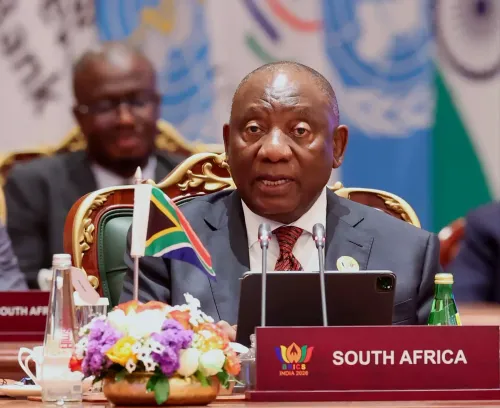
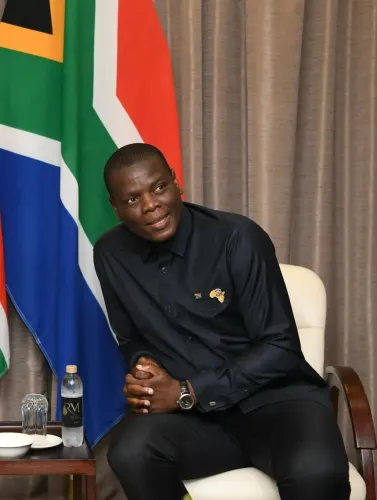
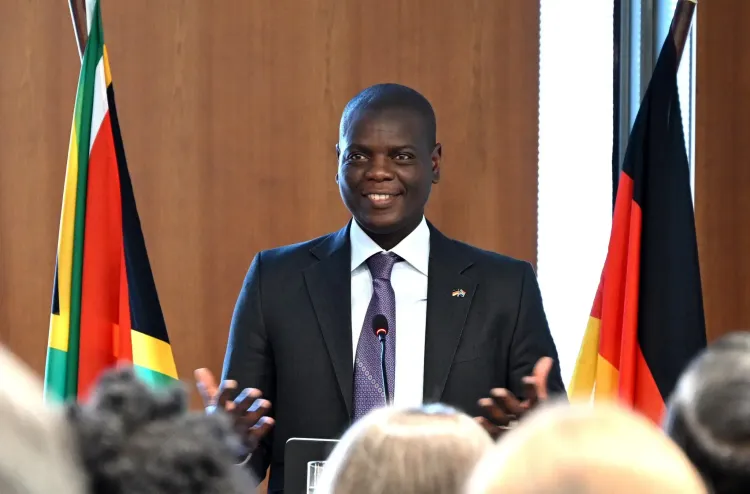
Pretoria, April 24: South Africa's Minister of International Relations and Cooperation, Ronald Lamola, warned on Friday that the escalating Middle East conflict is delivering direct and measurable economic shockwaves to the Southern African region, driving up oil prices, fertiliser costs, and overall cost-of-living pressures across member states. The minister made these remarks at an Inter-Departmental Workshop on the RISDP 2020–2030, held in the context of South Africa's Chairship of the Southern African Development Community (SADC).
Direct Economic Fallout Hitting the Region
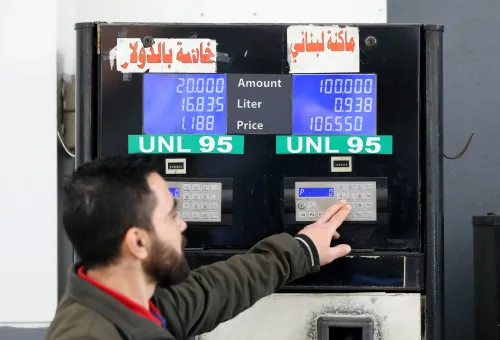
Minister Lamola specifically pointed to the US-Israel war on Iran and Lebanon as a key driver of economic instability, stating it has already sent shockwaves through the global economy. "Our societies are experiencing rising oil prices, higher fertiliser costs and cost-of-living challenges," he said, painting a stark picture of the cascading consequences for ordinary citizens across Southern Africa.
These economic pressures do not exist in isolation. The minister underscored that the conflict's fallout is compounding existing vulnerabilities including unemployment, climate-related shocks, disrupted livelihoods, food insecurity, and the burden of both communicable diseases and transboundary animal diseases. For a region already stretched thin, the timing could not be worse.
Notably, the SADC region has long struggled with food security — according to regional data, millions across member states face chronic hunger, and any spike in fertiliser costs directly threatens agricultural output and rural livelihoods that millions depend on.
Debt Burden Amplifies Vulnerability
Lamola highlighted that these compounding pressures arrive at a moment when many SADC member countries are already carrying a heavy sovereign debt burden. This significantly limits their fiscal room to absorb external shocks or invest in social safety nets. The combination of external conflict-driven inflation and internal debt constraints creates a particularly dangerous economic environment.
Intra-regional trade, a key indicator of economic integration health, has remained stagnant, fluctuating between 19 and 23 per cent — far below the levels needed to make SADC a self-sustaining economic bloc. Economic growth across the region has also remained modest, leaving little buffer against global disruptions.
South Africa's SADC Leadership: Challenges and Priorities
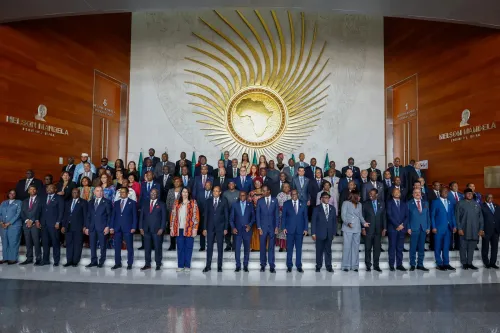
South Africa was appointed as the interim chair of SADC in November 2025 and is expected to assume the official chairship from August 2026 to August 2027. Minister Lamola acknowledged that these deteriorating conditions must fundamentally shape how South Africa plans, prioritises, and implements its SADC agenda during this critical period.
The minister raised two pointed questions as he closed the workshop: how to build public confidence in regional integration against the tide of narrow nationalism, misinformation, and xenophobic sentiment; and how to plan effectively in a global environment that is unstable and unpredictable. He urged participants — as public servants — to reflect on these questions from their unique vantage point.
Broader Geopolitical and Strategic Implications
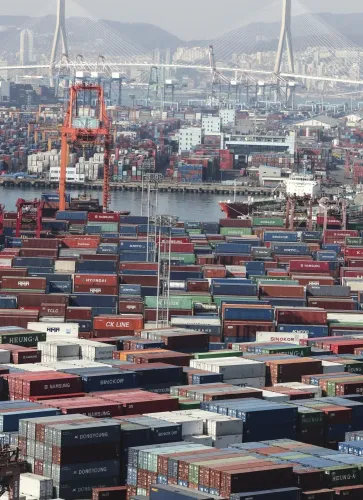
The fact that a Southern African minister is directly linking the Middle East conflict to regional economic pain underscores a critical but often underreported reality: no region exists in a geopolitical vacuum. Africa's dependence on imported oil and fertilisers — largely priced in US dollars — means that any conflict disrupting global energy and commodity markets hits the continent disproportionately hard.
Critics and development economists have long argued that SADC nations must accelerate diversification away from commodity dependence and deepen intra-regional trade to build structural resilience. The current crisis offers a renewed — if painful — argument for that pivot. South Africa's chairship will be tested on whether it can translate these warnings into actionable regional policy.
As South Africa prepares to formally assume the SADC chairship in August 2026, all eyes will be on Pretoria to see whether it can forge a coherent regional response to global instability — or whether geopolitical headwinds will overwhelm the bloc's integration agenda.
Point of View
But it also offers a historic opportunity: either Pretoria uses this crisis to accelerate genuine regional economic integration, or it becomes another cautionary tale of leadership without leverage. The questions Lamola posed at the workshop are not rhetorical — they are the defining challenge of African multilateralism in 2025 and beyond.
NationPress
19 Sept 2026
Frequently Asked Questions
How is the Middle East conflict affecting Southern Africa?
The Middle East conflict is driving up oil prices and fertiliser costs across Southern Africa, worsening cost-of-living pressures, food insecurity, and economic instability. South African Minister Ronald Lamola confirmed these direct consequences at a SADC workshop in Pretoria on April 24, 2025.
What is South Africa's role in SADC?
South Africa was appointed as the interim chair of SADC in November 2025 and is set to assume the official chairship from August 2026 to August 2027. As chair, South Africa will lead the regional bloc's policy agenda and integration efforts during a period of significant global instability.
Who is Ronald Lamola and what did he say?
Ronald Lamola is South Africa's Minister of International Relations and Cooperation. He warned at an Inter-Departmental Workshop on April 24, 2025, that the US-Israel war on Iran and Lebanon is sending shockwaves through the global economy with direct consequences for the Southern African region.
What economic challenges is the SADC region facing in 2025?
The SADC region faces rising oil prices, higher fertiliser costs, food insecurity, unemployment, climate shocks, communicable diseases, and heavy sovereign debt burdens. Intra-regional trade remains low at 19–23 per cent, and economic growth across the region has stayed modest.
What is the RISDP 2020–2030?
The RISDP 2020–2030 is the Regional Indicative Strategic Development Plan, a long-term blueprint guiding SADC's development agenda. The Inter-Departmental Workshop held in Pretoria on April 24, 2025, focused on implementing this plan under South Africa's SADC chairship.