Military Coercion: Risks of Strengthening Resistance and Escalating Conflict
Synopsis
The escalating tensions between the US, Israel, and Iran reveal critical lessons about military power and diplomacy. This report examines the potential ramifications of coercive military actions in an already volatile region, emphasizing the need for credible diplomatic engagement.
Key Takeaways
Coercive military force may escalate conflict rather than ensure compliance.
Effective diplomatic engagement is crucial for successful negotiations.
Regional conflicts often expand beyond initial borders and timelines.
Domestic political pressures in Iran affect its foreign policy decisions.
Ongoing tensions impact global oil markets and economic stability.
New Delhi, March 3 (NationPress) - The ongoing tensions between the United States, Israel, and Iran reveal essential insights regarding the interplay of military power, diplomacy, and strategic communication, as highlighted in a recent report.
"To begin with, employing coercive military force against a resolute adversary does not guarantee compliance or rapid capitulation; rather, it may bolster resistance and escalate the conflict's scope. Moreover, without credible and ongoing diplomatic efforts backed by enforceable security assurances and reciprocal commitments, negotiations are unlikely to thrive when overshadowed by threats of military action. Finally, regional conflicts rarely remain confined geographically or temporally; they often extend across alliances, economic systems, and domestic political landscapes," the article in Indian Narrative elaborated.
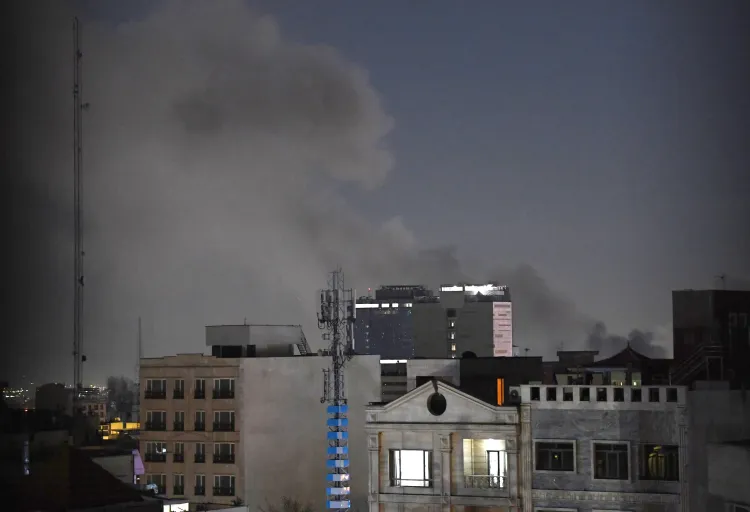
Professor Anu Sharma noted that the direct military actions taken by the US and Israel against Iran in February could represent a significant escalation in the geopolitical landscape of West Asia. What sets this event apart, she asserted, is not just the magnitude of violence, but the convergence of persistent structural tensions such as nuclear proliferation, regional dominance, deterrence, and domestic political pressures that have collectively transformed a long-standing rivalry into active conflict.
"Prior to these strikes, US–Iran relations fluctuated between tentative diplomatic outreach regarding Tehran’s nuclear ambitions and moments of military brinkmanship. However, the root of these tensions lies in profound mutual distrust. Washington views Iran’s nuclear enrichment and missile capabilities as threats to regional stability and global non-proliferation objectives, while Tehran perceives American pressure and allied military presence as existential threats," Sharma explained in India Narrative.
"For many years, Iran has employed a multifaceted deterrent strategy that combines asymmetric military capabilities and proxy networks throughout the Middle East. Concurrently, Iranian domestic pressures, including worries about leadership legitimacy and economic challenges, have limited Iran's flexibility in negotiations. Iranian leaders have faced domestic backlash for perceived concessions without securing clear or concrete security guarantees in return. This dynamic has emboldened hardline factions who argue that Iran should demonstrate strength by responding decisively to any actions viewed as hostile," she added.
The US contemplated engaging in major military operations due to various pressures. In 2026, US leaders viewed such operations as both punitive and preventive, aimed at deterring future threats.
"Regionally, this confrontation has intensified existing divisions across the Middle East. Gulf states have welcomed US and Israeli actions aimed at curbing Tehran’s influence but have also expressed concerns about being drawn into a broader conflict. For Israel, involvement in preemptive actions against Iran highlighted both the severity of its security concerns and its readiness to act when it perceives imminent existential threats. However, this alignment has also linked Israeli strategic interests to American military frameworks, raising complex issues about autonomy in future regional interactions," she remarked.
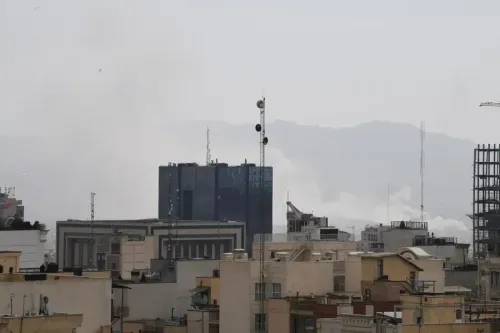
The repercussions of this conflict extend beyond West Asia, with rising oil prices fueled by fears of supply disruptions and logistical challenges in the Strait of Hormuz. The report indicates that ongoing uncertainty, even amidst diversified energy markets, prompts consumer nations and producers to reevaluate their risk exposures. Countries dependent on energy resources from this region face immediate economic instability, while long-term investment strategies are shifting towards alternative energy sources and strategic reserves.
Point of View
Israel, and Iran. It emphasizes the complex interplay of military action and diplomatic efforts, urging for a nuanced understanding of the situation and its broader implications.
NationPress
30 Sept 2026
Frequently Asked Questions
What are the primary factors driving the US-Iran conflict?
The US-Iran conflict is driven by mutual distrust, differing perceptions of security threats, and longstanding regional rivalries, particularly concerning nuclear proliferation.
How might military actions affect regional stability?
Military actions can exacerbate existing tensions and lead to broader conflicts, potentially drawing in other nations and destabilizing the region further.
What role do diplomatic efforts play in mitigating conflict?
Credible diplomatic engagement, supported by security guarantees and commitments, is essential for successful negotiations and reducing the risk of escalation.
How do internal political dynamics in Iran influence its foreign policy?
Internal political pressures, such as concerns over leadership legitimacy and economic challenges, significantly constrain Iran's flexibility in negotiations and its response to external threats.
What are the economic implications of the conflict for oil markets?
The conflict has led to increased oil prices due to fears of supply disruptions, prompting nations to reassess their energy strategies and risk exposures.