Former Diplomat Calls Ceasefire Between Iran and US a Pivotal Move for Stability in West Asia
Synopsis
Anil Trigunayat, a former Indian diplomat, praises the recent ceasefire between the US and Iran as a critical measure to avert potential conflict in West Asia. His insights highlight the importance of dialogue and regional stability for global peace.
Key Takeaways
Ceasefire hailed as crucial by former diplomat Anil Trigunayat.
Potential conflict averted that could have destabilized West Asia.
Importance of dialogue and diplomacy emphasized for conflict resolution.
Middle East's strategic significance highlighted for India’s energy security.
India maintains balanced relations with key players in the region.
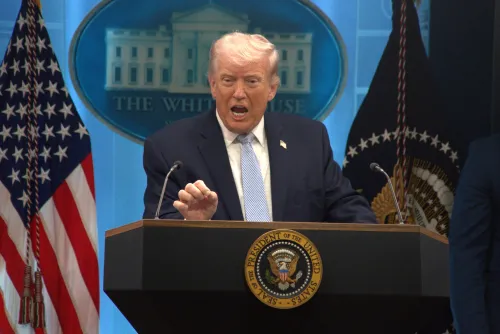
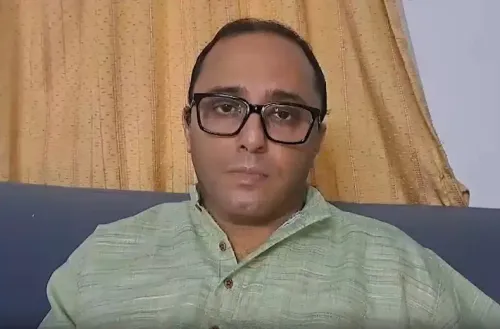
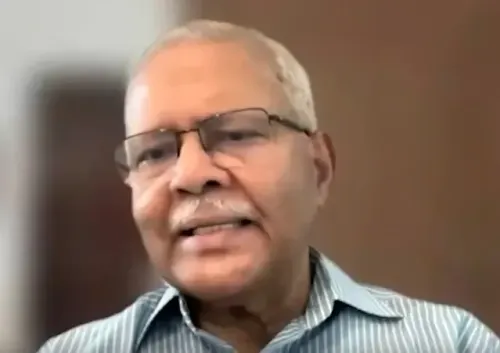
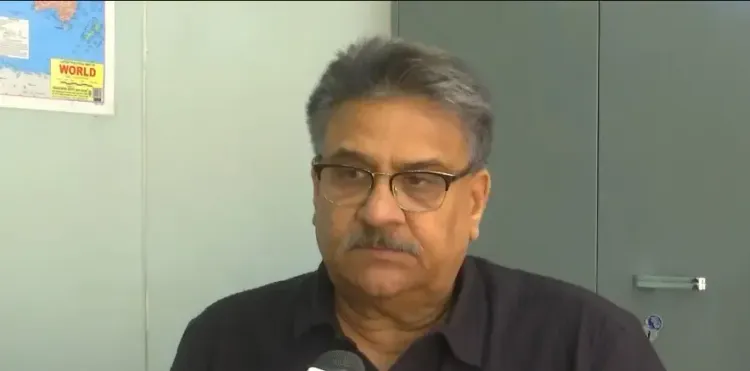
New Delhi, April 8 (NationPress) Anil Trigunayat, a former Indian diplomat, has expressed his approval of the recently established two-week ceasefire between the United States and Iran. He regards this development as a significant and timely initiative that may have averted one of the most catastrophic conflicts in contemporary history.
In an interview with IANS, Trigunayat, who has held the position of Indian Ambassador to Jordan and Libya, cautioned that the persistence of hostilities could have sparked extensive instability throughout the Middle East, potentially resulting in severe global consequences.
"I consider this a commendable event. Had the war continued, it could have escalated into one of the most devastating conflicts in modern times, destabilizing much of the Middle East. This would have posed insurmountable challenges on a global scale in both the short and medium term," he stated.
Trigunayat further emphasized that the ceasefire demonstrates the astuteness of all parties involved and expressed optimism that it would encourage ongoing dialogue and a sustainable resolution.
"It was wise for all sides to agree to a ceasefire and to discuss a potential agreement aiming for a lasting resolution," he noted.
Highlighting the futility of warfare, Trigunayat pointed out that no genuine victory can arise from armed confrontations.
"In warfare, there are no true winners; everyone suffers losses. Declaring victory often serves only domestic narratives. The inevitable outcome of war is destruction; how can that ever be considered a victory? However, the fact that parties have agreed to negotiate is a positive step. If they remain committed, honest, and transparent, we may expect some form of agreement," he stated.
Regarding India's stance, Trigunayat underscored the strategic significance of the region, referring to it as an "extended neighborhood" that is vital to India’s economic and security interests.
"For us, the Middle East, or West Asia as we term it, is a critical geographical area. We rely heavily on energy imports from this region. Additionally, over 10 million Indians reside there. All maritime communication routes are essential for our trade, and we have substantial investments on both sides. Hence, the security and stability of this region are of paramount importance to India," he elaborated.
He reaffirmed India’s consistent advocacy for dialogue, diplomacy, and de-escalation as the only feasible approach to resolving such conflicts.
On India's relationships with key regional players such as Israel, Iran, and the United States, Trigunayat remarked that New Delhi maintains robust and balanced ties with all parties.
"We enjoy positive relations with all involved parties. Without this, how could we ensure a continuous supply of oil through the Strait of Hormuz?" he emphasized, noting the significance of uninterrupted energy supplies.
He also acknowledged Prime Minister Narendra Modi's role in bolstering India's engagement in the region.
"We advocate for friendship with all nations, and this is true. Under Prime Minister Modi's leadership, our policy towards West Asia has seen considerable success, leading to strategic partnerships with nearly every country in the region," he concluded.
Point of View
Particularly in a region as volatile as West Asia. His insights reflect a national interest approach, highlighting India’s strategic ties and economic dependencies in the area.
NationPress
17 Oct 2026
Frequently Asked Questions
What is the significance of the ceasefire between the US and Iran?
The ceasefire is seen as a crucial step in preventing a potential large-scale conflict in West Asia, which could have destabilized the entire region.
Who is Anil Trigunayat?
Anil Trigunayat is a former Indian diplomat who has served as the Indian Ambassador to Jordan and Libya, and he provides insights on international relations, especially concerning the Middle East.
Why is the Middle East important to India?
The Middle East is vital for India due to energy imports, the significant Indian diaspora, and crucial trade routes that are essential for its economic stability.
What role does dialogue play in conflict resolution?
Dialogue is essential in conflict resolution as it allows parties to communicate their interests, negotiate terms, and work towards a peaceful agreement.
How does the ceasefire affect India's relations with the US and Iran?
The ceasefire enhances India's ability to maintain balanced relations with both the US and Iran, crucial for its energy security and diplomatic standing.