PM Modi inaugurates 7 redeveloped railway stations in Odisha under ABSS
Synopsis
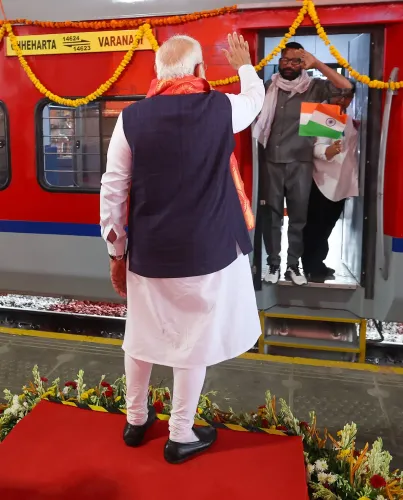
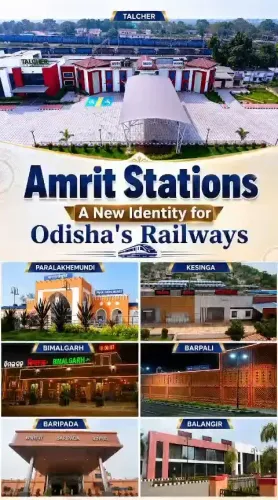
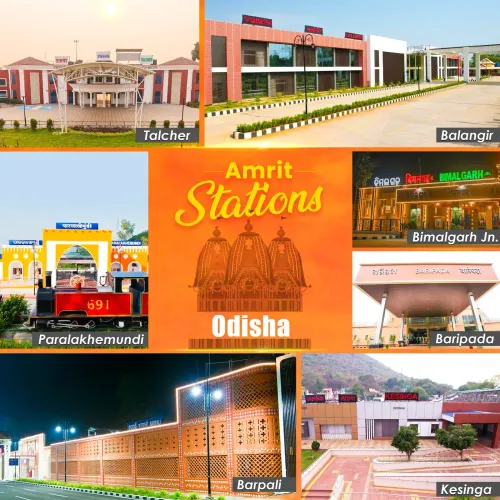
PM Modi on 17 July inaugurated seven redeveloped Odisha railway stations — Balangir, Barpali, Paralakhemundi, Talcher, Kesinga, Baripada, and Bimalgarh — built at ₹109 crore under the Amrit Bharat Station Scheme. Days earlier, the CCEA cleared two more Odisha-Jharkhand rail projects worth ₹3,907 crore, adding 145 km of new network and connecting 1,526 villages.
Key Takeaways
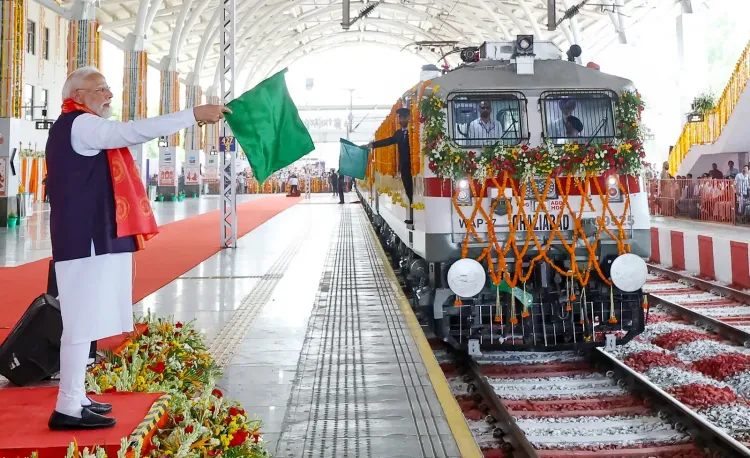
PM Modi inaugurated 7 redeveloped railway stations in Odisha on 17 July 2025 under the Amrit Bharat Station Scheme (ABSS) .
The seven stations — Balangir, Barpali, Paralakhemundi, Talcher, Kesinga, Baripada, Bimalgarh — were redeveloped at a cumulative cost of approximately ₹109 crore .
The national rollout covers 75 modernised stations simultaneously across India.
The CCEA separately approved two rail projects worth ₹3,907 crore — doubling of the Paradip–Haridaspur line and a fourth rail line between Rajkharsawan and Dangoaposi.
The two new projects will add 145 km to the network and improve connectivity for around 14 lakh people across 1,526 villages .
Heritage destinations including the Lalitgiri Buddhist Complex and Meghahatuburu Hills will gain improved rail access.
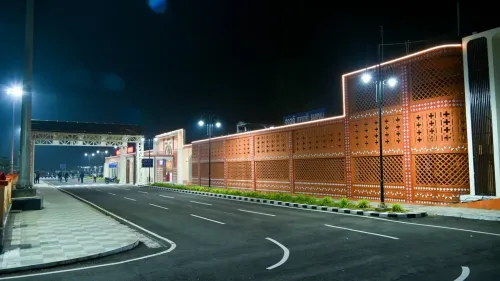
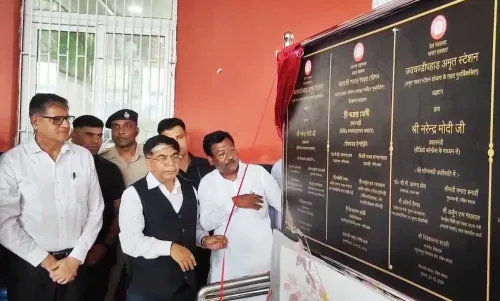
Prime Minister Narendra Modi on Friday, 17 July inaugurated seven redeveloped railway stations in Odisha under the Amrit Bharat Station Scheme (ABSS), as part of a nationwide rollout covering 75 modernised stations aimed at transforming rail infrastructure and improving passenger experience across India.
The Seven Stations Redeveloped in Odisha
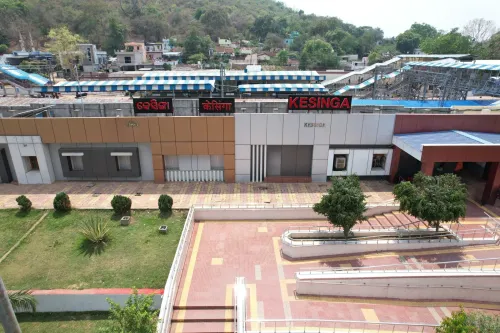
The stations dedicated to the nation are Balangir, Barpali, Paralakhemundi, Talcher, Kesinga, Baripada, and Bimalgarh. According to East Coast Railway (ECoR) officials, the cumulative redevelopment cost for these seven stations stands at approximately ₹109 crore.
The upgrades reflect the Centre's stated goal of building modern, passenger-centric infrastructure while preserving the cultural identity and architectural heritage of each region. Station buildings incorporate local art, cultural motifs, and architectural elements specific to their localities.
What the Amrit Bharat Station Scheme Delivers
The Amrit Bharat Station Scheme mandates holistic redevelopment of railway stations, covering modern station buildings, upgraded waiting halls, improved circulating areas, modern sanitation facilities, enhanced platform shelters, digital passenger information systems, improved lighting, and standardised signage.
Multimodal integration has also been built into the scheme. At select stations, 12-metre-wide Foot Over Bridges (FOBs) with lift provisions have been installed to ensure barrier-free accessibility for differently-abled passengers and senior citizens.
'The redeveloped stations are expected to significantly enhance passenger convenience, strengthen regional connectivity and promote tourism, trade and local economic development, reaffirming Indian Railways' commitment to creating world-class railway infrastructure in line with the vision of a Viksit Bharat,' the ECoR stated.
Two Major Rail Projects Approved for Odisha and Jharkhand
In a separate but related development, the Cabinet Committee on Economic Affairs (CCEA), chaired by Prime Minister Modi, on Wednesday approved two significant railway projects at a combined estimated cost of approximately ₹3,907 crore.
The first project involves doubling the Paradip–Haridaspur rail line; the second entails laying a fourth rail line between Rajkharsawan and Dangoaposi. Together, the two projects will add approximately 145 km to the existing Indian Railways network, spanning four districts across Odisha and Jharkhand.
Impact on Connectivity and Tourism
Officials stated that the capacity enhancement will improve rail access to approximately 1,526 villages with a combined population of around 14 lakh. The upgraded network will also strengthen connectivity to prominent tourist and heritage destinations, including the Lalitgiri Buddhist Complex, the Shree Baladevjew Temple, and the Meghahatuburu Hills.
This comes amid a broader push by the Centre to modernise rail infrastructure in eastern India, a region that has historically received a smaller share of railway investment relative to its geographic and demographic weight. With the ABSS rollout now gathering pace, the next phase of station redevelopments is expected to further extend coverage across Tier-2 and Tier-3 towns.
Point of View
And seven stations at ₹109 crore — averaging roughly ₹15.6 crore each — is a relatively modest outlay for comprehensive modernisation. The more consequential announcement may be the ₹3,907 crore dual-project approval, which adds network capacity rather than just cosmetic upgrades. Whether the 1,526-village connectivity claim translates into measurable freight and passenger growth will depend on last-mile road linkages that the railways alone cannot provide.
NationPress
16 Oct 2026
Frequently Asked Questions
Which seven railway stations in Odisha were inaugurated by PM Modi?
PM Modi inaugurated Balangir, Barpali, Paralakhemundi, Talcher, Kesinga, Baripada, and Bimalgarh stations on 17 July 2025 under the Amrit Bharat Station Scheme. They were redeveloped at a combined cost of approximately ₹109 crore.
What is the Amrit Bharat Station Scheme?
The Amrit Bharat Station Scheme (ABSS) is a Central government initiative for the holistic redevelopment of railway stations across India. It covers upgraded buildings, waiting halls, sanitation, digital information systems, barrier-free access, and integration of local cultural architecture.
What are the two new railway projects approved for Odisha?
The CCEA approved doubling of the Paradip–Haridaspur rail line and a fourth rail line between Rajkharsawan and Dangoaposi, at a combined estimated cost of ₹3,907 crore. Together they will add about 145 km to the Indian Railways network across four districts in Odisha and Jharkhand.
How many villages will benefit from the new rail projects in Odisha?
According to officials, the two approved projects will enhance rail connectivity to approximately 1,526 villages with a combined population of around 14 lakh across Odisha and Jharkhand.
Which tourist destinations will gain better rail access under these projects?
The capacity enhancement is expected to improve connectivity to the Lalitgiri Buddhist Complex, the Shree Baladevjew Temple, and the Meghahatuburu Hills, among other destinations.