PM Modi orders fast-track courts for exam paper leak cases

Synopsis
PM Modi on 23 July 2026 announced fast-track courts to swiftly punish those guilty in exam paper leak cases, extending the 2024 Public Examinations Act's deterrent framework and continuing the government's series of measures to protect student interests.
Key Takeaways
PM Narendra Modi announced fast-track courts for exam paper leak cases on 23 July 2026 .
Directions have been issued to concerned authorities and officials to take all necessary steps immediately.
The move builds on the Public Examinations (Prevention of Unfair Means) Act, 2024 , which criminalised paper leaks and impersonation in government exams.
Fast-track courts have previously been used in India for sexual offence and child crime cases, and are now being extended to examination fraud.
The announcement is described by PM Modi as part of an ongoing 'series of steps' to safeguard student interests.
Formal notifications on the number and location of courts from the Ministry of Education or Ministry of Law and Justice are yet to be issued.
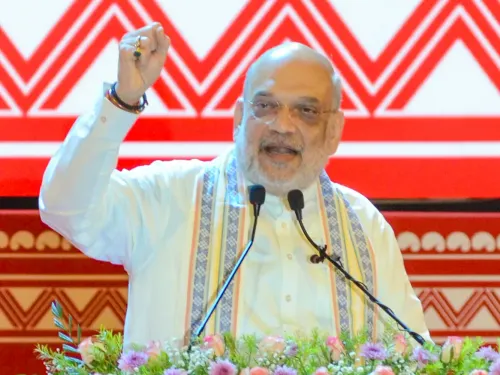
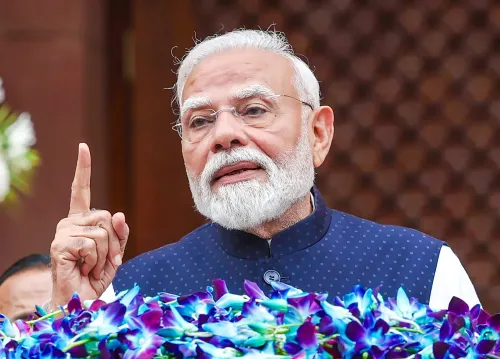
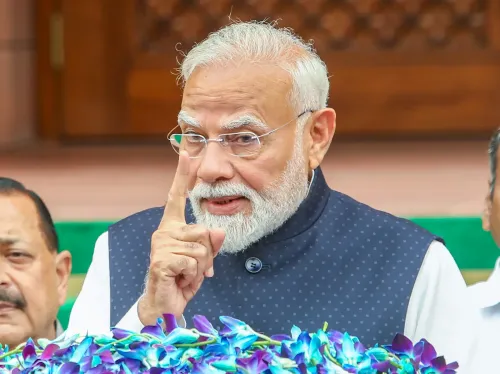
Prime Minister Narendra Modi announced on Thursday, 23 July 2026 that the central government will establish fast-track courts to ensure swift and stringent punishment for those found guilty in examination paper leak cases, directing concerned authorities to take all necessary steps immediately.
Context
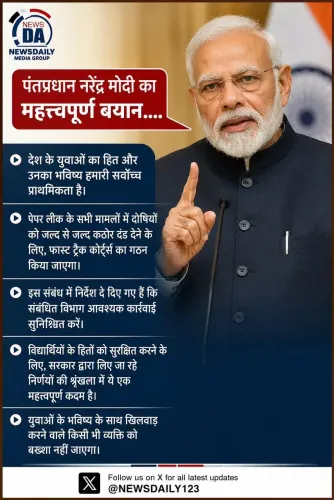
In a bilingual post on X, PM Modi declared that the welfare and future of India's youth is the government's highest priority. He stated: 'We have decided to set up fast-track courts to ensure swift and stringent punishment for those involved in paper leaks.' In Hindi, he reinforced the message — 'युवाओं के भविष्य के साथ खिलवाड़ करने वाले किसी भी व्यक्ति को बख्शा नहीं जाएगा' ['Anyone who tampers with the future of our youth will not be spared'].
The announcement follows sustained public pressure over repeated leaks in high-stakes competitive examinations, including NEET and JEE, which have disrupted the aspirations of millions of students across the country.
Policy Backdrop
The move builds directly on the Public Examinations (Prevention of Unfair Means) Act, 2024, enacted in February 2024, which criminalised paper leaks, impersonation, and other malpractices in government recruitment and entrance examinations, imposing stringent penalties on offenders.
Fast-track courts are specialised judicial forums with a proven track record in India for expediting trials in sensitive matters. They were previously deployed to handle cases of sexual offences and crimes against children, and their extension to examination fraud signals the government's intent to treat paper leaks as a serious criminal matter warranting urgent judicial attention.
PM Modi described the fast-track court decision as part of 'a series of steps for safeguarding the interests of students,' indicating that further measures may follow.
Stakeholders and Impact
The primary beneficiaries are crores of Indian exam aspirants — students preparing for Union Public Service Commission, Staff Selection Commission, state recruitment board, and national entrance tests — who have seen years of preparation disrupted by leaked question papers and subsequent re-examinations.
For accused individuals and organised networks involved in paper leak syndicates, the creation of dedicated fast-track courts signals a sharply reduced timeline between arrest and sentencing, amplifying the deterrent effect of the 2024 Act.
State governments, which administer many recruitment examinations independently, will be expected to align with the central directive, though the specifics of court jurisdiction across states are yet to be formally notified.
What's Next
Formal rollout notifications from the Ministry of Education or the Ministry of Law and Justice are awaited, detailing the number, location, and operational timeline of the new courts, as well as any supplementary rules framed under the 2024 Act.
The government's stated commitment — that 'those who try to harm the future of our youth will not be spared' — sets a clear political benchmark against which the speed and effectiveness of the fast-track court mechanism will be measured in the months ahead.
Point of View
The government is signalling that deterrence requires not just stricter laws but visibly faster convictions. The move mirrors a pattern seen in other priority areas — fast-track courts for crimes against women — suggesting a deliberate template for deploying judicial speed as a governance tool. Whether the courts are operationalised quickly enough to shift public confidence before the next major examination cycle will determine how effectively this announcement translates from political messaging into institutional change.
NationPress
22 Oct 2026
Frequently Asked Questions
What did PM Modi announce about paper leak cases?
PM Modi announced on 23 July 2026 that the central government will set up fast-track courts to ensure swift and stringent punishment for those involved in examination paper leaks, and has directed concerned authorities to take all necessary steps.
What is the Public Examinations (Prevention of Unfair Means) Act 2024?
It is a central law enacted in February 2024 that criminalises paper leaks, impersonation, and other malpractices in public recruitment and entrance examinations, imposing stringent penalties on offenders.
How do fast-track courts work in India?
Fast-track courts are specialised judicial forums designed to hear and dispose of cases more quickly than regular courts. They have previously been used for sexual offence and child crime cases, and are now being extended to examination fraud.
Which exams have been affected by paper leaks in India?
High-profile paper leak controversies have affected major national examinations including NEET and JEE, as well as several state-level recruitment tests, disrupting the preparation of crores of students.
When will the fast-track courts for paper leaks be set up?
PM Modi has directed authorities to take all necessary steps, but formal notifications on the number, location, and operational timeline of the courts from the Ministry of Education or Ministry of Law and Justice are yet to be issued.