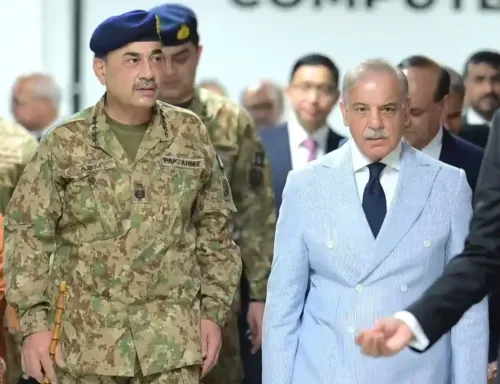
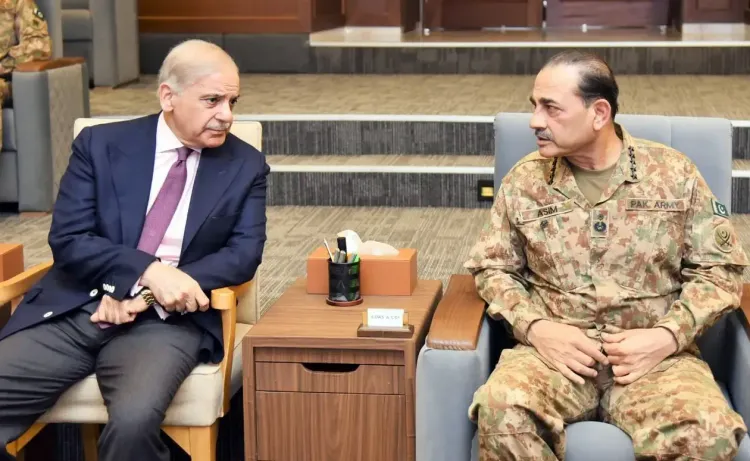
Asim Munir using global diplomacy narrative to mask Pakistan's internal crisis
Synopsis
Pakistan's military chief Asim Munir is reportedly leveraging a manufactured global-mediator narrative — centred on US-Iran diplomacy — to consolidate authoritarian control at home, even as inflation soars, democratic institutions erode, and a controversial 28th Constitutional Amendment threatens to further centralise power.
Key Takeaways
The Politeia Research Foundation report, published 9 May 2026 , calls Pakistan's global-mediator image a manufactured narrative to mask domestic failures.
Military chief General Asim Munir is accused of using this narrative to consolidate power and dismantle democratic institutions.
Judges including Justice Mohsin Akhtar Kayani , Justice Babar Sattar , and Justice Saman Rafat Imtiaz of the Islamabad High Court were transferred in April 2026 amid transparency concerns.
The proposed 28th Constitutional Amendment is expected to shift power further towards the centre, reinforcing military dominance.
Pakistan's mainstream media is reportedly being used to amplify the global-status narrative while suppressing coverage of domestic hardship.
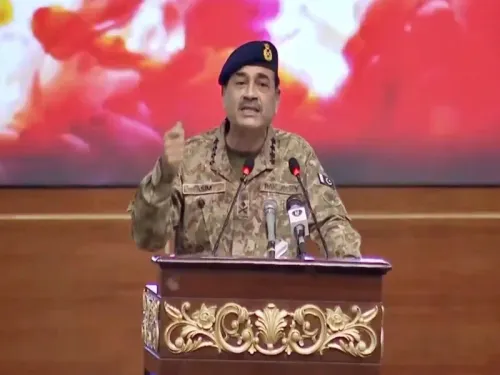
Pakistan's projected rise on the global stage is widely seen as a manufactured narrative designed to conceal economic mismanagement, justify authoritarian expansion, and suppress domestic dissent, according to a report published on Saturday, 9 May 2026. The analysis, from think tank Politeia Research Foundation, argues that despite claims of growing international importance, the country's democratic structures and institutional independence continue to deteriorate under the military leadership of General Asim Munir.
The Diplomacy Cover Story
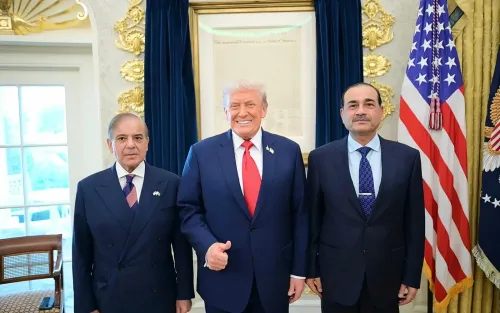
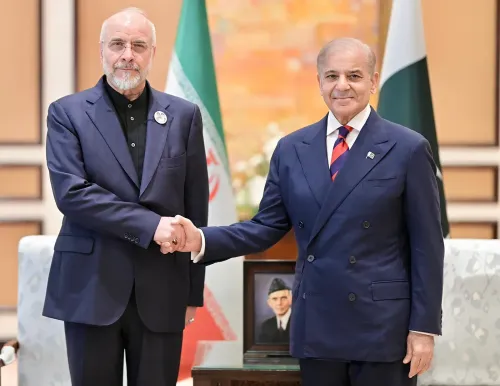
The report specifically targets Pakistan's attempt to position itself as a global mediator — particularly between the United States and Iran — as a calculated diversion rather than a genuine peace effort. According to the foundation, this projection is being used to create the impression that Pakistan's economic and political crises will somehow resolve themselves through high-level diplomatic engagement.
Point of View
External prestige-signalling fills the vacuum. Pakistan's US-Iran mediation posture is less a foreign-policy achievement and more a domestic political instrument — one that costs little internationally but buys narrative space at home. The deeper concern is structural: the 27th Amendment has already reshaped the judiciary, military courts are overriding civilian authority, and the proposed 28th Amendment threatens to further hollow out federalism. Each institutional change, presented as reform, incrementally removes the checks that could hold Munir's consolidation accountable. Mainstream media amplification of the global-importance narrative, while real economic pain goes underreported, suggests the information environment is being managed as deliberately as the constitutional one.
NationPress
22 Sept 2026
Frequently Asked Questions
What is the Politeia Research Foundation's report about Pakistan?
The report argues that Pakistan's projection of itself as a rising global power and mediator between the US and Iran is a manufactured narrative designed to distract from severe domestic failures, including economic collapse, rising inflation, and the systematic erosion of democratic institutions under military chief General Asim Munir.
How is Asim Munir consolidating power in Pakistan?
According to the report, Munir is using the global-mediator narrative to legitimise authoritarian expansion at home. Key institutions including the judiciary, media, and political structures have been brought under effective military control, with judicial transfers, military courts overriding civilian authority, and constitutional amendments centralising power.
What is the proposed 28th Constitutional Amendment in Pakistan?
The proposed 28th Constitutional Amendment is expected to revisit federal-provincial power balances and shift key sectors towards the centre, further undermining constitutional authority and reinforcing military dominance, according to the Politeia Research Foundation report.
Why are the Islamabad High Court judicial transfers controversial?
The Judicial Commission's recommendations to transfer Justice Mohsin Akhtar Kayani, Justice Babar Sattar, and Justice Saman Rafat Imtiaz of the Islamabad High Court, approved in April 2026, have been widely criticised for lack of transparency and are seen as part of a broader effort to bring the judiciary under military influence.
What is the state of Pakistan's economy according to the report?
The report describes Pakistan as being on the verge of economic collapse, with inflation rising, fuel prices soaring, and ordinary citizens struggling to survive. It argues the state is projecting a false image of global importance abroad instead of addressing these real domestic challenges.