NCERT textbooks for Classes 1-8 now in 22 Indian languages: Pralhad Joshi
Synopsis
India's school textbooks are going multilingual in a big way — 22 languages for Classes 1 to 8, and 122 foundational learning materials including 93 in tribal languages. Education Minister Pralhad Joshi's announcement at NCERT's 66th Foundation Day signals that NEP 2020's mother-tongue learning push is moving from policy paper to classroom shelf.
Key Takeaways
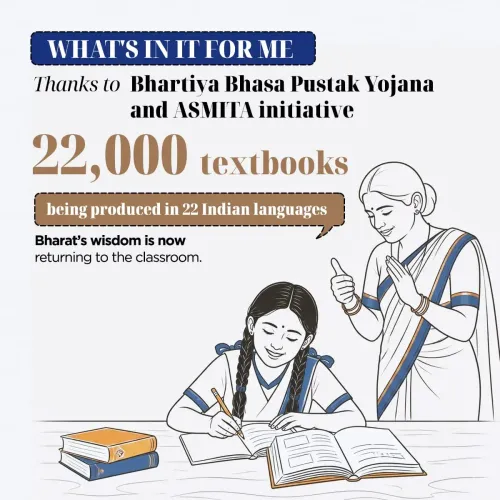
Union Education Minister Pralhad Joshi announced on 1 September that NCERT textbooks for Classes 1 to 8 are being prepared in 22 Indian languages .
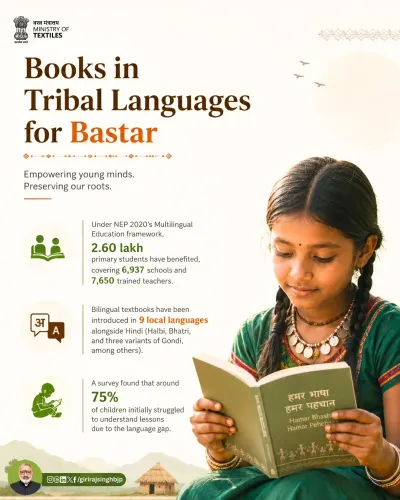
122 foundational language materials are under development, including 93 in tribal languages .
The initiative is rooted in NEP 2020 , which prioritises mother-tongue instruction, holistic development, and competency-based learning.
Joshi called on NCERT to expand its focus to digital literacy , AI , and problem-solving skills alongside traditional subjects.
Students' mental health was highlighted as a priority, with calls for curriculum changes and improved teacher training.
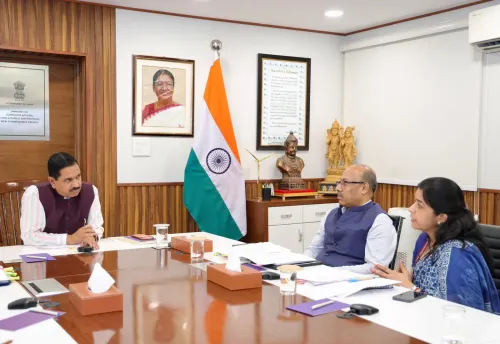
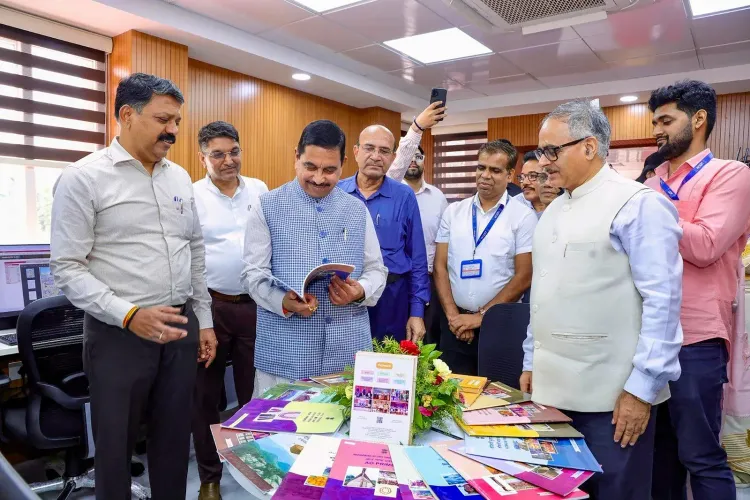
Union Education Minister Pralhad Joshi on Tuesday, 1 September announced that school textbooks for Classes 1 to 8 are being developed in 22 languages across India, marking a significant step toward multilingual education under the National Education Policy (NEP) 2020. The announcement was made at NCERT's 66th Foundation Day celebrations in New Delhi.
Scale of the Multilingual Initiative
Beyond the 22 languages for school textbooks, Joshi disclosed that 122 foundational language materials are being prepared across various Indian languages. Of these, 93 are in tribal languages — a deliberate effort to bring formal education within reach of communities that have historically been left at the margins of mainstream schooling.
The minister noted that enabling children to learn in their mother tongue would ease comprehension, improve retention, and help extend quality education to diverse regions and communities throughout the country.
NEP 2020 as the Reform Blueprint
Joshi credited the National Education Policy 2020 with laying the groundwork for these reforms, citing its emphasis on holistic development, creativity, logical thinking, experiential learning, and competency-based education. He described the policy as a comprehensive framework that moves school education away from rote learning toward applied understanding.
This comes amid a broader national push to align India's education system with the demands of a rapidly changing global economy, where skills such as digital literacy, artificial intelligence, and problem-solving are increasingly essential alongside traditional academic subjects.
NCERT's Role and Future Mandate
Lauding NCERT — which has been central to India's school education architecture for over six decades — Joshi called on the body to double down on innovation, inclusivity, and research. He emphasised that the organisation's textbooks, study materials, and curricular frameworks have been foundational to shaping school education nationwide.
Notably, he urged NCERT to evolve in step with future educational needs rather than rest on its legacy. 'Imparting knowledge of traditional subjects is not enough,' Joshi said, stressing the need to equip students with skills relevant to the 21st century.
Mental Health Enters the Curriculum Conversation
In a significant addition to the education policy discourse, the minister flagged students' mental health as a crucial and often-overlooked component of the school system. He called for targeted curriculum changes and enhanced teacher training to address children's mental well-being — a concern that has gained urgency following post-pandemic reports of rising anxiety and stress among school-going children in India.
What Comes Next
With 122 foundational language materials in preparation and textbook development already under way across 22 languages, the implementation timeline and rollout schedule across states will be closely watched. Education stakeholders and state governments will need to align their curricula and teacher capacities with the new multilingual materials for the initiative to deliver on its promise.
Point of View
Teacher readiness in minority-language regions, and whether tribal communities actually receive materials in time for the academic cycle. India has a long history of multilingual education commitments that stalled at the printing stage. The mental health addition is welcome but vague — curriculum changes and teacher training are resource-intensive, and no funding commitment was announced. NCERT's six-decade credibility is an asset; whether it can execute at this scale, across this many languages, without diluting quality, is the real question mainstream coverage is not asking.
NationPress
17 Oct 2026
Frequently Asked Questions
In how many languages are NCERT textbooks for Classes 1 to 8 being prepared?
NCERT textbooks for Classes 1 to 8 are being prepared in 22 Indian languages, as announced by Union Education Minister Pralhad Joshi on 1 September at NCERT's 66th Foundation Day. The move is part of the NEP 2020 push for mother-tongue-based learning.
What are the 122 foundational language materials mentioned by Pralhad Joshi?
These are learning support materials being developed across various Indian languages to aid curriculum adoption. Of the 122 materials, 93 are in tribal languages, specifically aimed at making education more accessible to indigenous and tribal communities across India.
What is the role of NEP 2020 in this multilingual education push?
The National Education Policy 2020 provides the policy foundation for these changes, emphasising mother-tongue instruction in early schooling, holistic development, experiential learning, and competency-based education. The multilingual textbook initiative is a direct implementation of its language provisions.
Why did the Education Minister raise the issue of students' mental health at the NCERT event?
Joshi flagged mental health as a crucial but underserved component of the school system, calling for curriculum changes and improved teacher training to support children's well-being. The emphasis reflects growing concern over stress and anxiety among school-going children, a trend that intensified after the Covid-19 pandemic.
What did Pralhad Joshi ask NCERT to focus on going forward?
The minister urged NCERT to prioritise innovation, inclusivity, and research, and to equip students with 21st-century skills including digital literacy, artificial intelligence, logical thinking, and problem-solving — in addition to traditional academic subjects.