Nepal’s Gen-Z Movement Sparks Unprecedented Political Change
Synopsis
Nepal's political landscape is undergoing a historic transformation led by Gen-Z figures like Balendra Shah. This shift signifies a departure from traditional power dynamics, suggesting a new era of issue-driven politics in the country. How will this influence the region?
Key Takeaways
Gen-Z Influence: Rising leaders like Balendra Shah are reshaping Nepal's politics.
Historic Mandate: A significant electoral victory reflects a shift from traditional power structures.
Stable Governance: The necessity for opposition parties to remain in their roles may lead to consistent policy-making.
Regional Impact: Nepal's political changes may inspire youth movements in surrounding nations.
Issue-Based Politics: Policies focusing on social issues have proven effective in uniting voters.
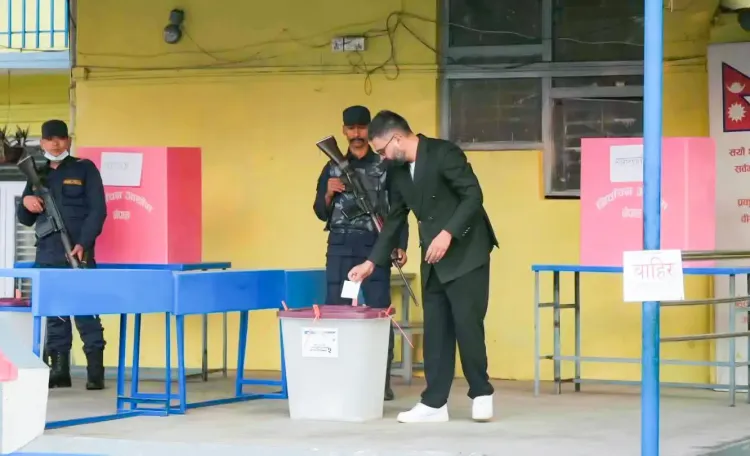
New Delhi/Kathmandu, March 18 (NationPress) The Gen-Z movement is influencing change globally, but Nepal stands out as the only nation achieving rapid political transformation. Recent electoral outcomes have surpassed expectations, prompting analysts to reconsider the impact of Balendra Shah and his party, the Rashtriya Swatantra Party (RSP), which emerged in 2022 and gained nearly a two-thirds majority, according to a report from Wednesday.
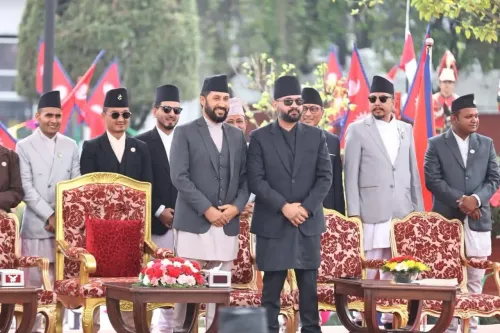
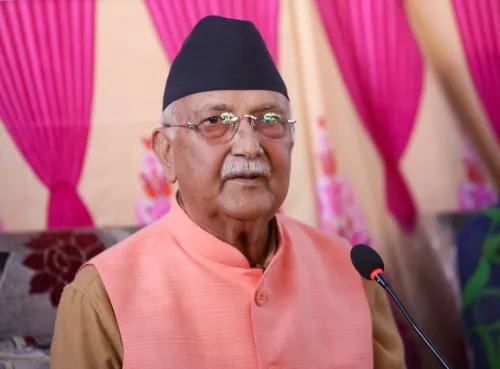
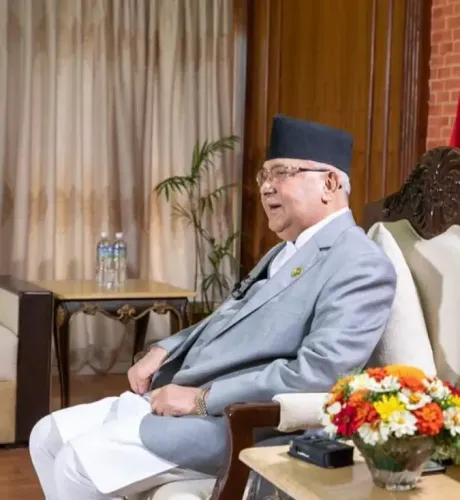
“Since democracy's establishment in 2008, traditional parties such as the Nepali Congress, Maoist Centre (now the Nepali Communist Party or CNP), and the Communist Party of Nepal-UML (CPN-UML) have long dominated the political terrain, led by prominent figures like Sher Bahadur Deuba, Pushpa Kamal Dahal (alias Prachanda), and K P Sharma Oli,” a report from India Narrative elaborated.
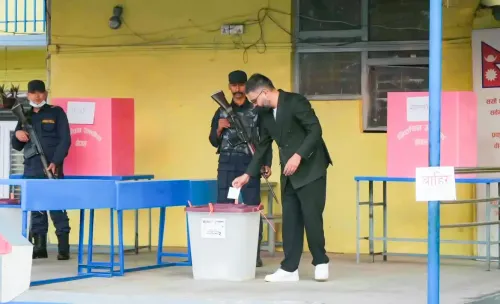
“Balendra Shah, known as Balen, an engineer and rapper, stepped into politics in 2022, successfully competing as an independent candidate for the Kathmandu mayoral position against seasoned politicians. Despite having only three years of experience in administration and no political lineage or party support, he became the prime ministerial nominee for a party he joined just two months before the elections, making history with an overwhelming mandate and positioning himself as potentially the youngest Prime Minister in Nepal's electoral history,” it noted.
The report indicates that in a nation characterized by “strong regional affiliations, diverse ethnicities, and religious communities,” such a significant mandate reflects how effective policies can “bridge divides and unite the electorate around issue-driven politics.”
This represents a landmark decision, as historically no party has ever achieved an outright majority, with coalition governments frequently resulting in instability and constant changes in leadership.
“For the first time, opposition parties will have no option but to remain in opposition, eliminating the possibility for midway negotiations to form governments. The need for coalitions will no longer dictate the policy-making process, reducing biases and interests in national development strategies,” the report highlighted.
The findings underscore that “Nepal’s movement and electoral results are being closely monitored by neighboring countries, as the widening gap between youth and established leadership presents a compelling case for change. While nations like Bangladesh and Sri Lanka have already experienced such shifts, Pakistan and the Maldives may soon follow suit.”
Point of View
I observe that the recent electoral results in Nepal highlight a significant evolution in political dynamics, driven by the younger generation. This shift signals a departure from age-old practices, potentially fostering a more unified and issue-focused political environment.
NationPress
14 Sept 2026
Frequently Asked Questions
What is the significance of Balendra Shah's victory?
Balendra Shah's victory represents a historic political shift in Nepal, showcasing the power of Gen-Z leaders to challenge traditional political structures.
How has the political landscape changed in Nepal?
The political landscape in Nepal is transforming as new parties gain significant mandates, moving away from the long-standing dominance of traditional parties.
What impact will this shift have on future governance?
This shift may lead to more stable governance as opposition parties will be required to remain in opposition, reducing the frequency of coalition changes.
Why is this election closely watched by neighboring countries?
The election results are significant as they reflect a broader trend of youth-led political movements in the region, which could inspire similar changes in neighboring countries.
What role did social issues play in this election?
Effective policies addressing social issues helped unite the electorate, demonstrating that issue-based politics can transcend traditional divides.