Will Poor Families Receive Keys to Their Own Flats in the New Year? Delhi CM
Synopsis
In an encouraging announcement, Delhi's CM Rekha Gupta revealed that 2,500 EWS families will receive keys to their own flats in Savda Ghevra come New Year. This initiative aims to provide essential services and improve living conditions for the underprivileged, ensuring a brighter future for many.
Key Takeaways
2,500 EWS families to receive keys to flats in Savda Ghevra .
Government prioritizes community facilities and essential services.
Developed over 37.81 acres with a focus on sustainability.
Infrastructure includes parks, schools, and health services.
Commitment to improve living conditions for the underprivileged .
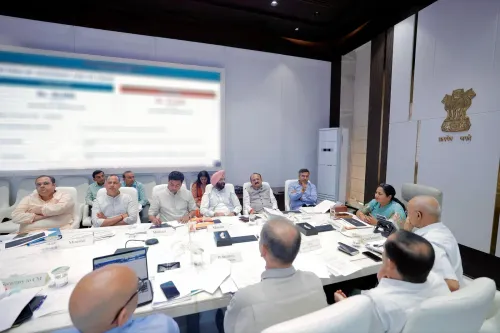
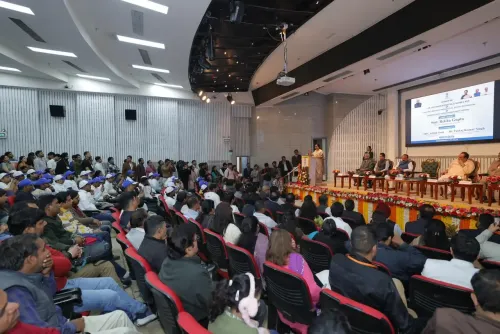
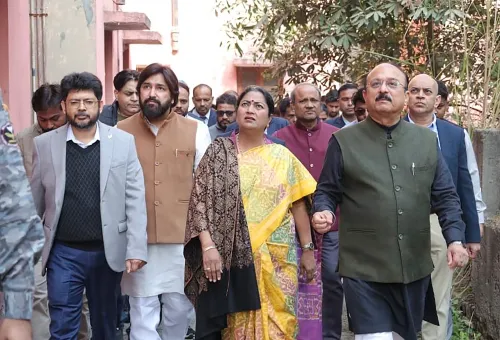
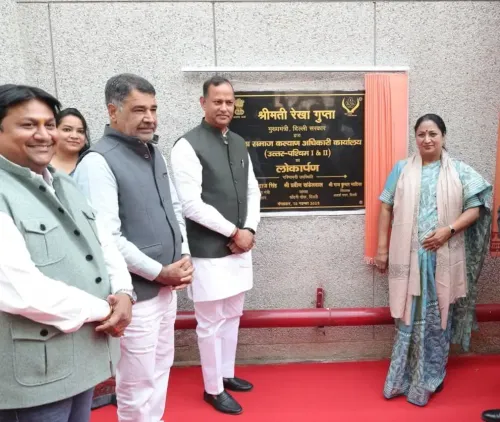
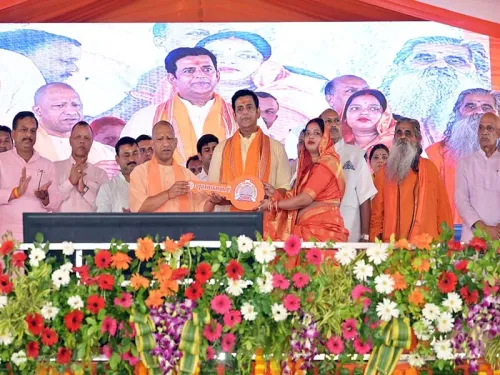
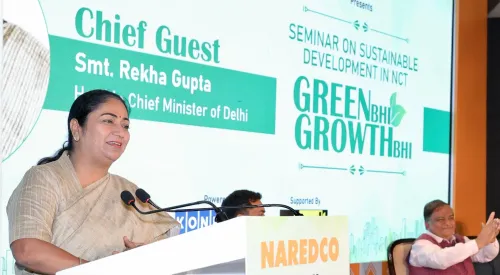
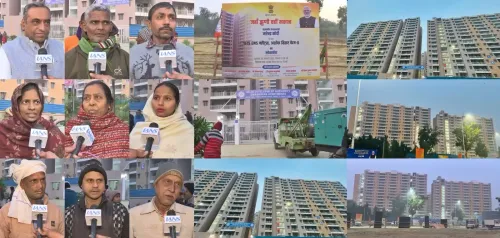
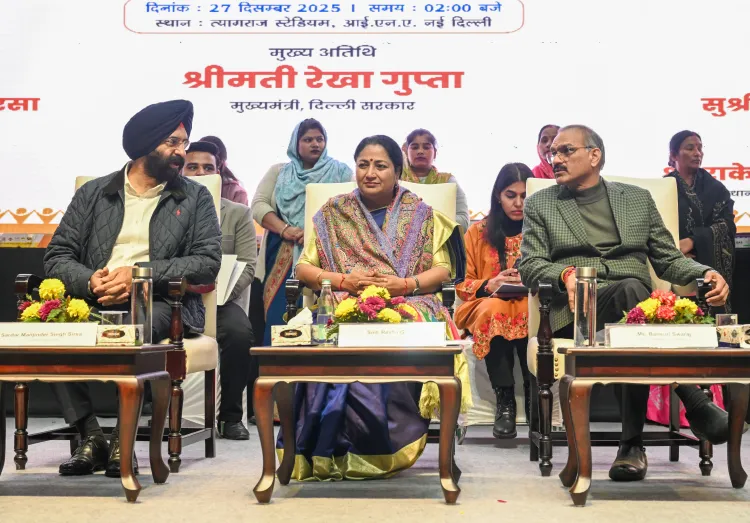
New Delhi, Dec 29 (NationPress) In a positive development for 2,500 families from the Economically Weaker Sections (EWS), Delhi's Chief Minister Rekha Gupta declared on Monday that residents will begin receiving keys to their new flats at Savda Ghevra, located in the northwestern region of the city, in the upcoming New Year.
The initiative to provide ready-to-move-in housing units to qualified beneficiaries is part of CM Gupta's commitment to enhancing the quality of life and facilitating better living conditions for the underprivileged in the city.
The Chief Minister emphasized that the government’s vision extends beyond merely offering permanent housing; it aims to integrate poor families into communities equipped with essential services such as education, healthcare, sanitation, water supply, and green spaces.
She criticized prior administrations for failing to distribute keys to flats for low-income beneficiaries.
The Savda Ghevra EWS residential area spans approximately 37.81 acres. Between 2012 and 2018-2020, 7,620 residential units were constructed, yet 6,476 flats remain unoccupied. Previous governments did not prioritize the settlement of low-income families in this colony, resulting in many flats requiring repairs.
The Delhi government is making strides to provide not only shelter but also a dignified and well-supported life for the EWS citizens.
In line with this goal, community amenities are being established in existing EWS neighborhoods overseen by the Delhi Urban Shelter Improvement Board (DUSIB).
The development of essential and social infrastructure in large colonies designed for the underprivileged, like Savda Ghevra, remains a top priority for the government. The Chief Minister announced that eligible low-income families will soon start receiving flat allotments.
This colony boasts a 100% sewerage network, a notable feat in terms of basic urban infrastructure.
With an eye on environmental sustainability, 39 residential parks have been established in Savda Ghevra, covering more than 22,000 square meters.
Additionally, two underground water tanks, booster stations, and overhead tanks have been installed to guarantee a consistent and sustainable water supply. For effective waste management, four collection sites have been built, complete with waste segregation facilities.
The Chief Minister stressed that cleanliness, greenery, and water management are vital to any community, and the government is committed to ensuring that these services are not lacking in Savda Ghevra.
Several crucial facilities are still under construction in the colony. Of the two planned primary schools, one is finished, and a health center or hospital is in the works.
Local trade and employment-related facilities, including a shopping center, service market, milk booth, and transportation stands, are also being developed.
The Chief Minister made it clear that the absence of such amenities forces residents to travel long distances for their daily needs, which the government deems unacceptable.
Within 1.5 kilometers of Savda Ghevra, residents have access to bus stops, community halls, a post office, health centers, schools, Anganwadi centers, and Bastī Vikas Kendras. Within a 3-kilometer radius, they can find metro stations, police posts, police stations, and additional educational and healthcare facilities.
The Chief Minister indicated a need to more effectively integrate these resources with the colony's internal infrastructure so that residents can fully benefit.
Point of View
We recognize the significance of this announcement from the Delhi government. Providing housing solutions for the Economically Weaker Sections is a step towards inclusivity and improved quality of life. The integration of community services alongside housing is crucial, and we commend the government's focus on sustainable living for all citizens.
NationPress
26 Sept 2026