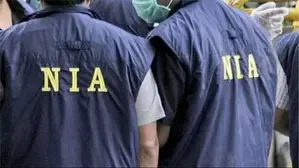
Jhiram Ghati Maoist attack: NIA court to sentence 10 convicts on Sept 16

Synopsis
Thirteen years after Maoists ambushed a Congress convoy in Chhattisgarh's Jhiram Valley — killing 29 people including three senior party leaders — a special NIA court is set to sentence 10 convicted accused on 16 September. The sentencing closes the formal trial chapter, but allegations of a deeper conspiracy and political cover-up, pressed by former Chief Minister Bhupesh Baghel, ensure the case remains far from settled.
Key Takeaways
A special NIA court in Jagdalpur will pronounce sentences for 10 convicted accused in the Jhiram Ghati Maoist attack case on 16 September 2026 .
The 25 May 2013 ambush on a Congress 'Parivartan Yatra' convoy in Jhiram Ghati Valley, Chhattisgarh killed 29 people , including security personnel.
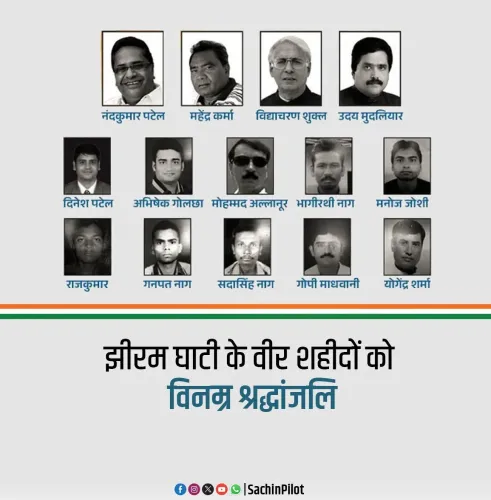
Among those killed were Congress leaders Nandkumar Patel , Mahendra Karma , and former Union Minister Vidyacharan Shukla .
The trial involved statements from 101 witnesses and extensive documentary evidence over nearly 13 years .
Former Chief Minister Bhupesh Baghel has alleged a broader conspiracy and accused the BJP of shielding those behind it; he has also questioned the NIA investigation.
Questions about the full chain of conspiracy and alleged security lapses remain officially unresolved despite the convictions.
A special National Investigation Agency (NIA) court in Jagdalpur, Chhattisgarh, is set to pronounce the sentence for 10 convicted accused in the high-profile Jhiram Ghati Maoist attack case on 16 September 2026, closing in on a judicial reckoning that has been nearly 13 years in the making. The verdict on sentencing is the latest milestone in one of the most consequential Maoist violence cases in Indian legal history.
What Happened on 25 May 2013
On 25 May 2013, Maoist insurgents ambushed the Indian National Congress's 'Parivartan Yatra' convoy in the Jhiram Ghati Valley of Chhattisgarh's Bastar region. The attack killed 29 people, including security personnel, in what is widely regarded as one of the deadliest Maoist strikes ever carried out against a political party in India.
Among the dead were senior Congress leaders: then Chhattisgarh Congress President Nandkumar Patel, former Leader of the Opposition Mahendra Karma, and former Union Minister Vidyacharan Shukla. The assault sent shockwaves across the country and intensified the national debate on left-wing extremism in central India.
A Trial That Spanned Over a Decade
The judicial process was prolonged and exhaustive. During the trial, statements from 101 witnesses were recorded, and a large volume of documentary evidence was placed before the court. After years of proceedings, the special NIA court convicted 10 accused persons. The sentencing, scheduled for Wednesday, will determine the punishment each of the convicted individuals will face.
Notably, this is the sentencing phase — the finding of guilt has already been established. What remains is the quantum of punishment, which could range from lengthy imprisonment to, depending on the court's assessment, more severe penalties under applicable law.
Unanswered Questions and Political Controversy
Despite the convictions, several fundamental questions surrounding the Jhiram attack remain contested. Debate persists over the full extent of the conspiracy, the alleged role of top Maoist commanders, and whether there were systemic failures in the security arrangements protecting the Congress convoy that day.
Former Chhattisgarh Chief Minister Bhupesh Baghel has repeatedly alleged that the incident was not solely a Maoist operation but part of a broader conspiracy. Baghel has claimed on multiple occasions that he holds evidence linked to the alleged conspiracy and has accused the Bharatiya Janata Party (BJP) of failing to pursue a full investigation and of shielding the alleged masterminds.
Baghel also questioned the NIA investigation itself, alleging a cover-up, and argued that had the state government's Special Investigation Team (SIT) been permitted to probe the case independently, the individuals behind the larger alleged conspiracy could have been identified. The BJP has not formally responded to these specific allegations in public statements cited in available reports.
What the Sentencing Marks — and What It Does Not Resolve
The pronouncement of sentences on 16 September 2026 will mark a significant formal milestone in the long judicial process. However, analysts and survivors' advocates argue that conviction of the 10 accused does not necessarily settle all outstanding questions about the attack's alleged political dimensions or the chain of command within the Maoist network responsible.
A persistent demand continues for a deeper probe into the full conspiracy behind the Jhiram Ghati ambush — one that, according to critics, the current proceedings have not fully addressed. How the court weighs aggravating and mitigating factors in Wednesday's sentencing could further shape the political and legal discourse around this case for years to come.
Point of View
But it is more accurately a partial reckoning. Convicting 10 individuals in a case of this scale — one that decapitated Chhattisgarh's Congress leadership and killed 29 people — does not automatically answer who ordered the ambush or whether political intelligence failures played a role. Baghel's persistent conspiracy claims, however contested, point to a larger institutional discomfort: that the NIA's remit may have been narrower than the scale of the crime warranted. The real test of the justice system here is not just the sentence handed down on Wednesday, but whether there is any credible mechanism left to examine the full conspiracy — or whether that question is now effectively buried with the verdict.
NationPress
16 Sept 2026
Frequently Asked Questions
What is the Jhiram Ghati Maoist attack case?
The Jhiram Ghati attack refers to a Maoist ambush on 25 May 2013 targeting a Congress 'Parivartan Yatra' convoy in the Jhiram Valley of Chhattisgarh's Bastar region, which killed 29 people including senior party leaders Nandkumar Patel, Mahendra Karma, and former Union Minister Vidyacharan Shukla. It is regarded as one of the deadliest Maoist attacks on a political gathering in India.
What will the NIA court announce on 16 September 2026?
The special NIA court in Jagdalpur will pronounce the quantum of sentence for 10 accused who have already been convicted in the Jhiram Ghati case. The sentencing comes after a trial lasting nearly 13 years, during which 101 witnesses were examined.
Who were the prominent victims of the Jhiram Ghati attack?
Among the 29 people killed were then Chhattisgarh Congress President Nandkumar Patel, former Leader of the Opposition Mahendra Karma, and former Union Minister Vidyacharan Shukla. Security personnel also lost their lives in the ambush.
What controversy surrounds the Jhiram Ghati investigation?
Former Chhattisgarh Chief Minister Bhupesh Baghel has alleged that the attack was part of a broader political conspiracy beyond a straightforward Maoist operation, and has accused the BJP of shielding those behind it. He has also questioned the NIA's probe, alleging a cover-up, and argued that an independent SIT investigation could have identified the larger conspirators.
Does the conviction resolve all questions about the Jhiram Ghati case?
No. While 10 accused have been convicted, questions about the full extent of the alleged conspiracy, the role of senior Maoist commanders, and whether there were security lapses remain contested and officially unresolved. Demands persist for a broader investigation into the case.