Jhiram Ghati massacre: NIA court sentences 10 to death in 2013 Maoist attack
Synopsis
Nearly 13 years after Maoists killed 29 people — including senior Congress leaders — in the Jhiram Ghati ambush, an NIA special court in Jagdalpur has handed down death sentences to all 10 surviving convicts. The verdict closes a decade-long trial, but the legal battle moves to the High Court, where mandatory confirmation proceedings and likely appeals could take years more.
Key Takeaways
An NIA special court in Jagdalpur, Chhattisgarh sentenced 10 convicts to death on 16 September 2026 in the Jhiram Ghati massacre case .
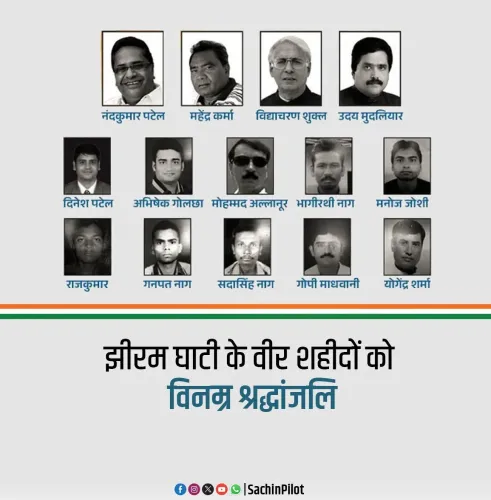
The 25 May 2013 Maoist ambush on a Congress 'Parivartan Yatra' convoy killed 29 people , including Nandkumar Patel , Mahendra Karma , and Vidyacharan Shukla .
The trial lasted nearly 13 years , covering testimony from 101 witnesses ; the NIA filed a ~1,000-page charge sheet in 2015 .
The death sentences require mandatory confirmation by the Chhattisgarh High Court ; convicts may appeal within 30 days .
Investigations showed the attack was redirected from a Sukma security outpost to the Congress convoy at a meeting in Pidia village, Bijapur in February 2013 .
An NIA special court in Jagdalpur, Chhattisgarh, on Tuesday, 16 September 2026, sentenced 10 convicts to death in the Jhiram Ghati massacre case — one of the deadliest attacks on political leaders in the country's history. The assault, carried out on 25 May 2013, killed 29 people when Maoists ambushed a Congress party convoy in the Darbha region of Bastar.
The Attack That Shook Chhattisgarh
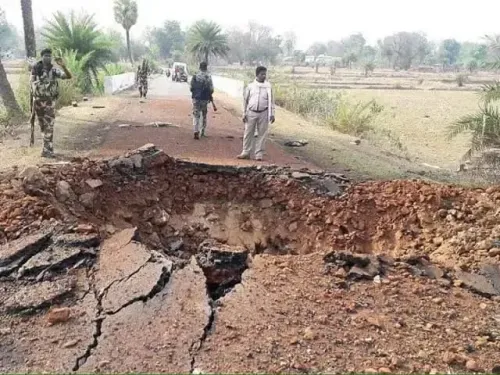
The Maoist ambush targeted the Congress 'Parivartan Yatra' procession moving through the dense forests of the Darbha valley. The assault began with an IED blast, after which trees were felled to block the convoy's path, and sustained gunfire erupted from the surrounding forest. According to investigators, Maoists deliberately separated political leaders from their security personnel during the assault.
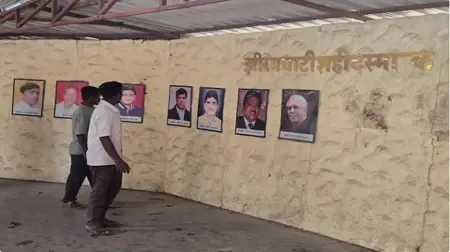
Among the 29 killed were then Chhattisgarh Congress president Nandkumar Patel, senior party leader Mahendra Karma, and former Union minister Vidyacharan Shukla — figures of considerable political weight whose deaths sent shockwaves across the country.
The 10 Convicts Sentenced to Death
The trial court originally tried 11 accused; one died during the proceedings, and the case continued against the remaining ten. Those now sentenced to death are Pramila Modiyam, Sumitra Punem, Kosa Kawasi, Mukka Mandavi, Markami Deva, Aayat Markam, Bajami Sena, Chaitu Lekam, Joga Markami, and Mahadev Naga. All ten are currently lodged in a central jail.
The prosecution had argued for the death penalty, while the defence sought a lighter sentence. The presiding judge noted that the death sentences are subject to mandatory confirmation by the High Court, and the convicts retain the right to appeal within 30 days.
A Trial Nearly 13 Years in the Making
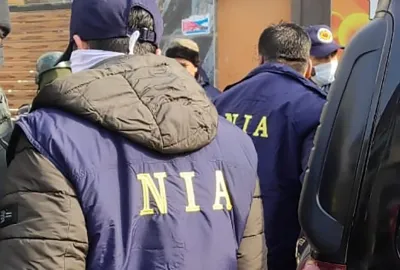
The trial stretched across nearly 13 years, involving the recorded testimony of 101 witnesses and voluminous documentary evidence. The National Investigation Agency (NIA) had filed a charge sheet of approximately 1,000 pages in 2015, detailing the conspiracy and the roles of the accused.
Investigations revealed that the attack was planned weeks in advance. Maoists had initially intended to target a security force outpost in the Minpa area of Sukma. However, at a meeting held in Pidia village, Bijapur, in February 2013 — reportedly attended by senior Maoist commander Devji — the plan was changed to strike the convoy in the Darbha region instead.
What Happens Next
With the trial court verdict now delivered, legal proceedings move to the next phase. As is mandatory under Indian law for death penalty cases, the Chhattisgarh High Court must independently confirm the sentences before they can be carried out. The convicts are widely expected to file appeals, which could extend the legal process by several years. The verdict marks a significant milestone in accountability for one of independent India's most brazen attacks on a political gathering.
Point of View
Above all, a measure of how long justice takes in India's most complex security-law cases — nearly 13 years for a trial involving 101 witnesses and an attack that was nationally televised in its horror. The death sentences will almost certainly be contested at the High Court and potentially the Supreme Court, meaning final resolution could take another decade. More pointedly, the case has long carried a political undercurrent — questions about intelligence failures, political motivations, and the targeting of senior Congress figures have never been fully settled in public discourse. The court's verdict addresses individual culpability; the broader accountability questions remain open.
NationPress
16 Sept 2026
Frequently Asked Questions
What is the Jhiram Ghati massacre?
The Jhiram Ghati massacre was a Maoist ambush on a Congress party convoy on 25 May 2013 in the Darbha region of Bastar, Chhattisgarh, that killed 29 people. Among the dead were senior Congress leaders including Nandkumar Patel, Mahendra Karma, and former Union minister Vidyacharan Shukla.
Who are the 10 convicts sentenced to death?
The 10 convicts are Pramila Modiyam, Sumitra Punem, Kosa Kawasi, Mukka Mandavi, Markami Deva, Aayat Markam, Bajami Sena, Chaitu Lekam, Joga Markami, and Mahadev Naga. All ten are currently held in a central jail and have 30 days to file an appeal.
What happens after the trial court's death sentence verdict?
Under Indian law, death sentences imposed by a trial court must be mandatorily confirmed by the High Court before they can be carried out. The convicts also have the right to appeal within 30 days, meaning the Chhattisgarh High Court is the next legal arena.
How long did the Jhiram Ghati trial last?
The trial lasted nearly 13 years, spanning the recording of 101 witness statements and the examination of extensive documentary evidence. The NIA had filed a charge sheet of approximately 1,000 pages in 2015.
How was the Jhiram Ghati attack planned?
Investigations revealed that Maoists originally planned to attack a security force outpost in Sukma's Minpa area. At a meeting in Pidia village, Bijapur in February 2013 — reportedly attended by senior Maoist commander Devji — the target was switched to the Congress convoy in the Darbha region.