NIA Investigates ISI-Linked CCTV Surveillance Network: Unraveling a Broader Espionage Scheme
Synopsis
The NIA takes charge of a critical investigation into an ISI-linked CCTV surveillance network that captured sensitive live feeds across India. This significant probe follows initial discoveries by the Ghaziabad police, revealing a widespread espionage operation with profound implications for national security.
Key Takeaways
NIA steps in to investigate ISI-linked spy network.
Initial findings indicate widespread CCTV surveillance across sensitive locations.
Investigation includes tracing funding from Pakistan .
Security agencies aim to secure sensitive information.
Potential implications for national security are significant.
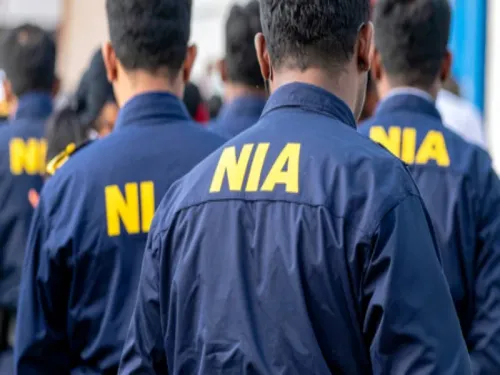
New Delhi, April 17 (NationPress) The National Investigation Agency (NIA) is set to investigate a spy network linked to the ISI that utilized CCTV cameras to capture live footage from sensitive sites across the nation. This network was originally uncovered by the Ghaziabad police, who found evidence of its extensive reach, prompting the NIA’s involvement.
Officials from the NIA are currently reviewing the details of the case. Their investigation will explore multiple dimensions, including the potential involvement of hostile intelligence entities and the identification of foreign operatives.
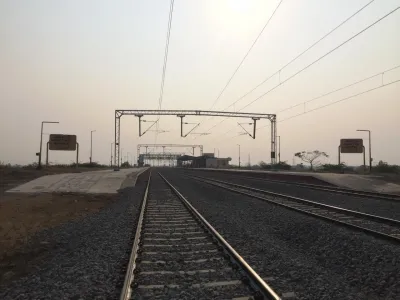
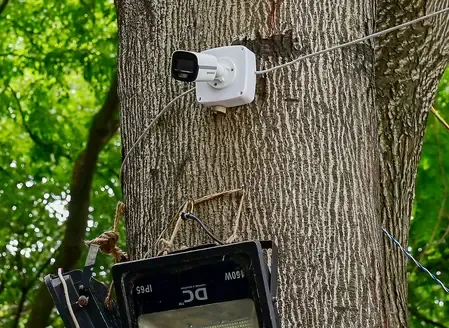
Initial findings indicated that solar-powered CCTV cameras were installed at various railway stations. Investigators also uncovered plans to deploy similar surveillance systems at other critical locations. The NIA will determine whether the surveillance activities were limited to crowded areas or extended to gathering intelligence on military troop movements.
The agency will also investigate the possibility of these cameras being utilized for monitoring railway logistics and defense-related infrastructure. An official from the Intelligence Bureau remarked that this network was dismantled just in time, and the NIA's engagement suggests that the operation may have reached even broader territories. The implications for national security are significant, and agencies are committed to uncovering every detail.
Reports indicate that the ISI has intensified its operations following the Indian armed forces' Operation Sindoor, which targeted significant terrorist infrastructures. In response, the ISI has sought to enhance its espionage efforts, particularly regarding military data.
While the ISI has stepped up its activities, Indian intelligence agencies have successfully countered many of these threats, including the arrests of individuals who fell victim to ISI's honey-trapping tactics. The dismantling of an influencer network that produced pro-Pakistan content while gathering sensitive information has also been a notable success for Indian security forces.
The NIA’s investigation will focus on the extensive national network associated with this module, which operates beyond Ghaziabad, Sonipat, Delhi, and adjacent areas. The module's targets include numerous railway stations and defense facilities across various states.
With jurisdiction to investigate nationwide, the NIA’s inquiry is vital for safeguarding sensitive national security information. They will not only assess the role of foreign intelligence and handlers but also evaluate the extent of information breaches, ensuring that any compromised data related to sensitive locations is secured.
Additionally, the NIA will trace the financial pathways, suspecting that funds were funneled from Pakistan into India for the installation of CCTV systems. Investigators have discovered that ISI-affiliated operatives received payments ranging from Rs 8,000 to Rs 10,000 for each camera installed. The NIA has requested comprehensive details from the Ghaziabad police to kickstart formal investigations.
The Ghaziabad police initially uncovered the case last month after intelligence reports indicated that videos and live feeds from strategically important sites were being transmitted to handlers in Pakistan. The breakthrough occurred with the arrest of Suhail Malik, alias Romeo, from Bijnor, followed by the detention of others, including Iram, Praveen, Raj Valmiki, Shiva Valmiki, and Ritik Gangwar.
Point of View
The recent discovery of an ISI-linked spy network utilizing CCTV technology is alarming. The NIA's intervention underscores the potential threat this poses to our defense mechanisms. It highlights the need for vigilance and proactive measures to protect sensitive information and maintain the integrity of national security.
NationPress
3 Oct 2026
Frequently Asked Questions
What initiated the NIA's investigation into the ISI-linked network?
The investigation was prompted by the **Ghaziabad police**, who uncovered a widespread **CCTV surveillance network** capturing live footage from sensitive locations across India.
What is the role of the NIA in this case?
The **NIA** is tasked with investigating the extensive network's operations, potential foreign involvement, and the security implications for national defense.
What were the primary findings from the initial police investigation?
The police found **solar-powered CCTV cameras** installed at **railway stations** and plans for similar installations at other sensitive locations.
What financial aspects are being investigated?
Investigators are tracing funding routes, suspecting that money from **Pakistan** was used to install the surveillance cameras, with operatives reportedly paid between **Rs 8,000 to Rs 10,000** per camera.
What are the implications of this investigation for national security?
This investigation is crucial for safeguarding sensitive information and preventing potential espionage that could compromise national security.