Semiconductor production key to India's self-reliance: Padma Shri Prof. Juzer Vasi
Synopsis
Padma Shri awardee Prof. Juzer Vasi's post-honour remarks go beyond congratulatory platitudes — he draws a direct line from semiconductor self-reliance to national security, citing defence chips unavailable on the open market and his own research on radiation-hardened devices for space. As India races to build a domestic chip ecosystem, his voice carries rare academic and strategic weight.
Key Takeaways
Juzer Vasi received the Padma Shri in Science and Engineering on 29 May , recognising his decades of work in semiconductors and solar energy.
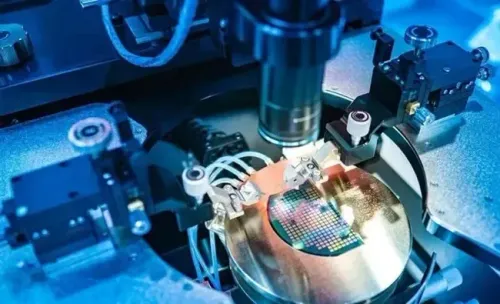
He stated that semiconductors are critical across consumer electronics , defence systems , and space technology — not just chip production.
Specialised semiconductor components used in defence and space are often not available on the open market , making indigenous R&D essential.
Vasi's early research covered radiation effects on semiconductor devices for space applications, underscoring the need for homegrown capability.
He called on India to sustain investment in semiconductor research, innovation, and manufacturing to ensure long-term technological independence.
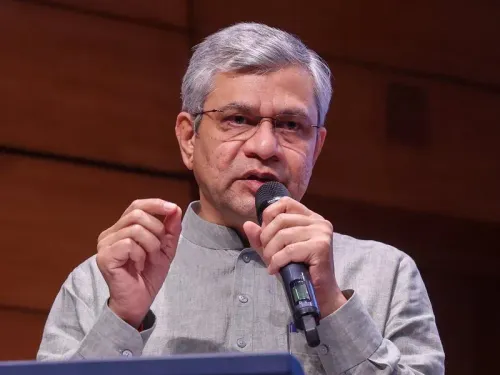
Padma Shri awardee Prof. Juzer Vasi, a distinguished figure in Science and Engineering, has underscored the strategic importance of semiconductor manufacturing for India's long-term growth, stating that semiconductors are indispensable not just for chip production but across consumer electronics, defence systems, and space technology. His remarks came on Friday, 29 May, shortly after he received the Padma Shri — one of India's highest civilian honours.
Why Semiconductors Matter Beyond Chips
Prof. Vasi emphasised that the relevance of semiconductors extends far beyond the core chip industry. 'Semiconductors drive a wide range of activities, not only in the core area of chips but also in broader consumer electronics and other electronic sectors,' he said. He stressed that the production of semiconductor chips and related technologies is 'very important' for India's technological and economic trajectory.
Defence and Space: The Strategic Imperative
A significant portion of Prof. Vasi's remarks focused on the defence and space sectors, where specialised semiconductor devices are critical and often unavailable through commercial channels. He noted that his early research involved studying radiation effects on semiconductor devices for space applications — work that highlighted the necessity of indigenous development. 'Those chips were not available in the open market, so it was necessary for India to pursue its own research,' he said. He added that this challenge is not isolated: 'This is true in many aspects of semiconductors.'
Semiconductors in Wartime Scenarios
Prof. Vasi also drew attention to the wartime relevance of semiconductor technology, noting that 'almost all defence electronics require semiconductors' and that some of these components are not easily sourced commercially. This, he argued, makes indigenous semiconductor research and manufacturing a matter of national security, not merely economic ambition.
India's Path Forward
Prof. Vasi called on India to continue investing in research, innovation, and manufacturing capabilities in the semiconductor sector. He described both semiconductors and solar energy — the twin pillars of his career — as essential for India's self-reliance. His comments align with the Centre's push to build a domestic semiconductor ecosystem, including the India Semiconductor Mission and recent approvals for chip fabrication facilities. The road to genuine technological independence, he suggested, runs directly through homegrown semiconductor capability.
Point of View
Not merely an industrial one, is the part mainstream coverage tends to underplay. The point about defence-grade chips being unavailable commercially is not new, but hearing it from a Padma Shri-honoured researcher who has actually worked on radiation-hardened space devices gives it empirical weight. India's semiconductor mission is well-funded on paper; the harder question is whether the research pipeline — universities, labs, trained engineers — can support a genuine fab ecosystem, or whether incentives will once again outpace capability.
NationPress
13 Oct 2026
Frequently Asked Questions
Who is Prof. Juzer Vasi and why is he significant?
Prof. Juzer Vasi is a Padma Shri-awarded scientist recognised for his contributions to Science and Engineering, particularly in the fields of semiconductors and solar energy. He has spent decades researching semiconductor devices, including radiation-hardened chips for space applications, making him one of India's foremost voices on indigenous semiconductor development.
Why does Prof. Vasi say semiconductor production is critical for India?
He argues that semiconductors underpin not just consumer electronics but also defence systems and space technology — sectors where specialised chips are often unavailable commercially. Without domestic manufacturing and research capability, India remains strategically vulnerable in these areas.
What is the connection between semiconductors and India's defence sector?
According to Prof. Vasi, almost all defence electronics rely on semiconductors, and many of the required components cannot be sourced from the open market. This makes indigenous semiconductor R&D a matter of national security, as India cannot depend on external suppliers for mission-critical hardware.
What did Prof. Vasi research earlier in his career?
Prof. Vasi's early research focused on radiation effects on semiconductor devices for space applications. He noted that the chips required for such work were not commercially available, which made it necessary for India to develop its own research capabilities in this domain.
How do Prof. Vasi's remarks relate to India's current semiconductor policy?
His comments align with the Centre's broader push to build a domestic semiconductor ecosystem, including the India Semiconductor Mission and approvals for chip fabrication facilities. He advocates continued investment in research, innovation, and manufacturing to support India's long-term technological and economic self-reliance.