Will Pahlavi Seek US Support for Iran's Future?

Synopsis
In a recent statement, exiled Iranian crown prince Reza Pahlavi calls on President Trump to take decisive action in support of the Iranian people. He believes that timely measures could lead to the collapse of the current regime and save lives. Will the U.S. respond to this urgent plea for help?
Key Takeaways
Reza Pahlavi urges Trump to take decisive action for Iranian support.
Timely U.S. action could expedite the regime's collapse.
Pahlavi calls for targeted measures, not military intervention.
He emphasizes the need for economic pressure and improved communication tools.
The responsibility for change ultimately rests with the Iranian people.
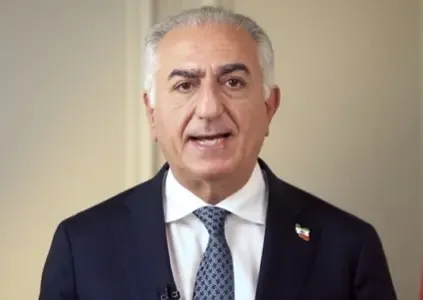
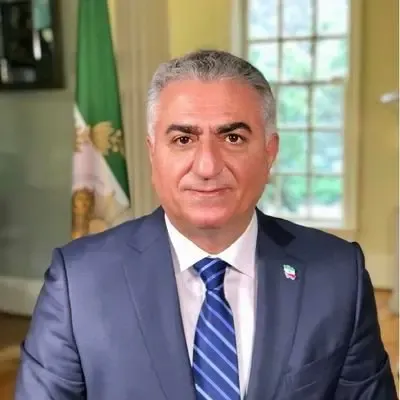
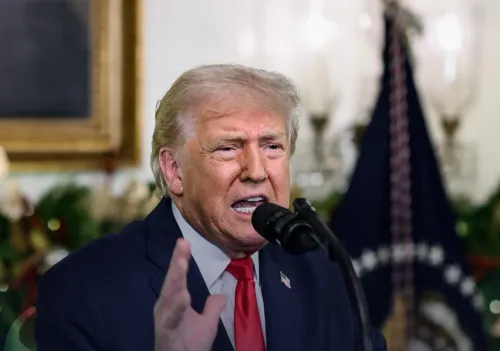
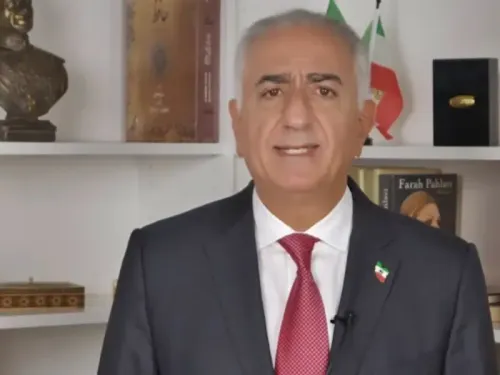
Washington, Jan 17 (NationPress) The exiled Iranian crown prince, Reza Pahlavi, expressed on Friday his hope for decisive action from President Donald Trump and the United States to assist the Iranian populace, asserting that prompt and specific measures from Washington could accelerate the downfall of Iran’s ruling regime and save lives.
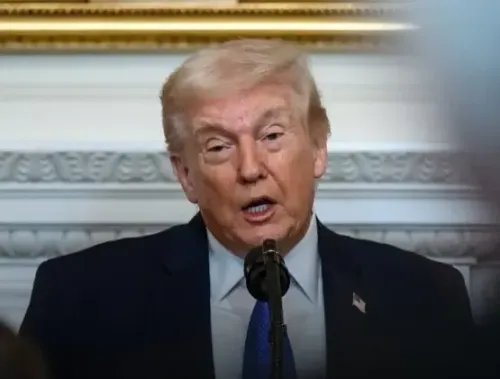
During a news briefing in Washington, Pahlavi noted a significant expectation among Iranians for the US President to honor previous commitments. He stated, “The Iranian people view him as a man of his word,” emphasizing that Trump would not mirror the actions of past US leaders who, according to him, had deserted the Iranian people in crucial moments.
Pahlavi highlighted that Trump had cautioned the Iranian regime about repercussions should violence against civilians increase. “The President warned that if the regime were to severely oppress the Iranian people, they would face serious consequences,” he noted, calling this message “very encouraging and empowering” for the protesters in Iran.
When questioned if delays in US intervention could diminish momentum, Pahlavi acknowledged the importance of timing but underscored that the struggle would persist regardless. “Whether or not the world aids us, the regime will eventually fall,” he asserted. “The sooner actions are taken, the more lives can potentially be saved.”
He dismissed notions that he was losing confidence in the US President. “I have faith that the President is a man of his word,” Pahlavi stated. “How long it may take, only time will tell, but ideally it will be sooner rather than later.”
Pahlavi reiterated that he was not advocating for a full-scale military intervention. “This does not necessitate boots on the ground,” he clarified. “The Iranian people are already engaged in the fight.”
Instead, he called for what he termed targeted actions to diminish Iran’s security forces. “We need to protect the Iranian people by undermining the regime’s oppressive capabilities, focusing on the leadership of the Islamic Revolutionary Guard and its command structures,” he explained.
He argued that these actions would “level the playing field” for unarmed civilians confronting state violence. “The Iranian populace is defenseless on the streets, unarmed against a regime wielding military weapons against them,” he stated.
Pahlavi also suggested that the US could enhance economic pressure. “Freeze their assets globally, target and dismantle their fleet of ghost tankers,” he urged, while advocating for the restoration of communications within Iran. “Deploy Starlink and other secure communication tools throughout Iran,” he insisted.
He contended that US involvement was not meddling but rather a step towards global stability. “Supporting the Iranian people is neither charity nor unjust interference,” he remarked, cautioning that the current regime has resulted in “47 years of exported terror.”
Pahlavi noted that while American inaction might weaken the movement, the ultimate responsibility lies with the Iranians. “Any battle for freedom has no deadline,” he stated. “We will fight until we achieve victory.”
He concluded that international support, especially from the US, could abbreviate the conflict. “If the world translates its words into action, the regime will topple sooner, saving more lives,” he asserted.
The United States has maintained a complex relationship with Iran since the 1979 Islamic Revolution, characterized by sanctions, a breakdown in diplomatic relations, and sporadic military confrontations.
Point of View
It is imperative to recognize the complexities of international relations and the significance of supporting freedom movements. The situation in Iran remains critical, and any US involvement must be approached with caution, considering both humanitarian implications and geopolitical factors.
NationPress
30 Sept 2026
Frequently Asked Questions
What is Reza Pahlavi's stance on U.S. intervention?
Reza Pahlavi advocates for targeted measures from the U.S. to weaken Iran's oppressive regime without calling for full military intervention.
How does Pahlavi view the role of President Trump?
Pahlavi believes President Trump is a man of his word and expects him to support the Iranian people as he has committed to do.
What actions does Pahlavi suggest the U.S. take?
He suggests the U.S. should impose economic pressure, block assets, and deploy secure communication tools like Starlink in Iran.
What are the potential consequences of U.S. inaction according to Pahlavi?
Pahlavi warns that American inaction could weaken the movement for freedom in Iran, but he stresses that the responsibility ultimately lies with the Iranian people.
What has been the historical context of U.S.-Iran relations?
The U.S. and Iran have had a tumultuous relationship since the 1979 Islamic Revolution, characterized by sanctions and military tensions.