Trump Cautions on Iran's Future Leadership, Considers Pahlavi as Potential Option
Synopsis
In a recent meeting, President Trump highlighted the risk of another hardliner taking control in Iran, while also considering exiled Crown Prince Reza Pahlavi as a possible leader for future political changes. The U.S. aims for a positive transition that benefits the Iranian populace.
Key Takeaways
Trump warns of potential for another hardliner in Iran Pahlavi mentioned as a possible leader in future U.S. aims for a transition that benefits ordinary Iranians Military actions have disrupted Iran’s leadership Germany and the U.S. share strategic goals regarding Iran
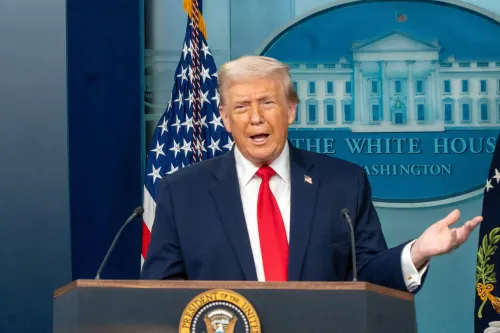
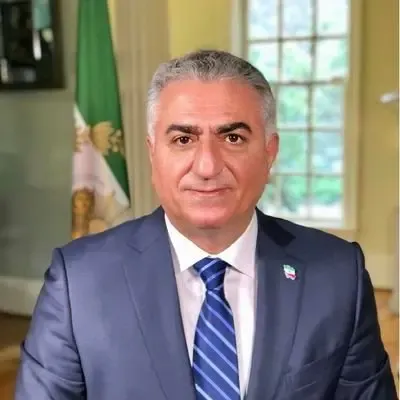
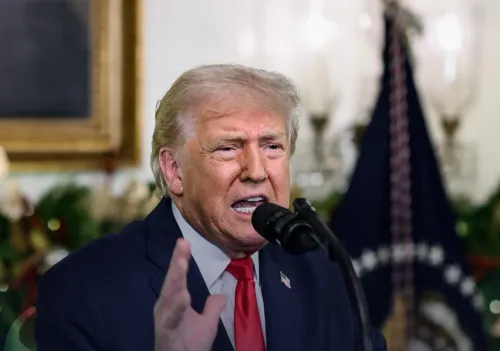
Washington, March 4 (NationPress) President Donald Trump cautioned that the “worst case” scenario arising from the current tensions with Iran could lead to the rise of another hardline regime in Tehran. He recognized that exiled Crown Prince Reza Pahlavi might be seen as “an option” for a potential political shift in Iran.
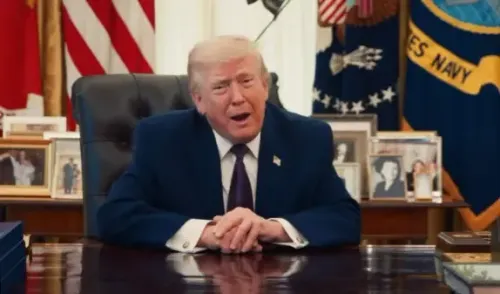
During a discussion with German Chancellor Friedrich Merz in the Oval Office, Trump emphasized that while the U.S. is concentrating on diminishing Iran's military strength, it is also aware of the implications of a leadership change.
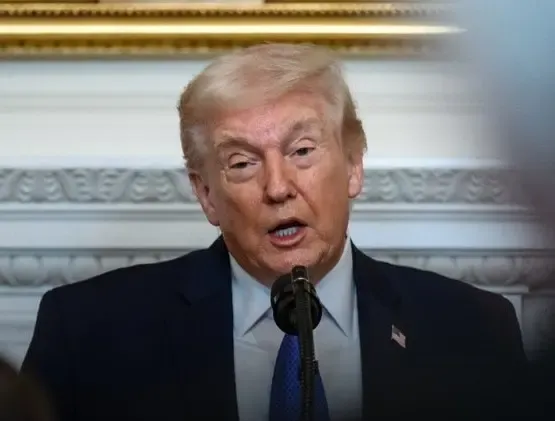
“I guess the worst case would be we do this, and then somebody takes over who's as bad as the previous person,” Trump remarked. “That could happen. We don't want that to happen.”
The U.S. aims for a leadership transition that improves conditions for ordinary Iranians instead of ushering in another radical government.
“We'd like to see somebody in there that's going to bring it back for the people,” he added, indicating a hope for positive developments among the Iranian populace.
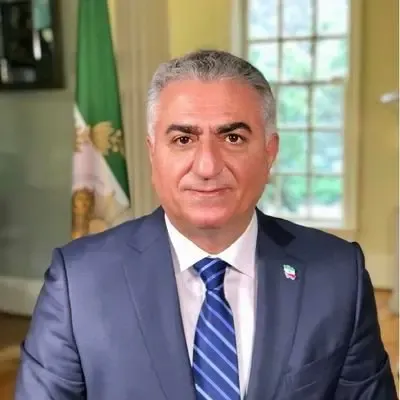
When asked about the possibility of Reza Pahlavi as a leader for a future Iran, Trump did not dismiss this idea. “I guess he is,” Trump commented, noting that some people support him, though he admitted they haven't given it much thought.
Yet, Trump suggested a leader emerging from within Iran might ultimately be more suitable. “It would seem to me that somebody from within may be more appropriate,” he stated, adding that a popular figure currently in Iran could be better positioned to take charge.
He also noted that recent military actions had severely impacted Iran’s leadership structure. “Well, most of the people we had in mind are dead,” he mentioned, referencing prior targets. “So, you know, we had some in mind from that group that is dead, and now we have another group. They may also be dead, based on reports.”
Trump indicated that successive military operations are aimed at Iranian leadership and military infrastructure. “I guess you have a third wave coming and pretty soon we're not going to know anybody,” he remarked.
Chancellor Merz agreed that both Berlin and Washington share a common objective regarding the future of Iran. “We are on the same page in terms of getting this terrible regime in Tehran away, and we will discuss what happens after they are gone,” Merz elaborated.
He emphasized that Europe has a vested interest in collaborating with the United States on a comprehensive strategy for the region, stating, “We are really looking forward to finding ways to address the day after.”
The U.S. has ramped up military actions against Iranian military and nuclear capabilities in recent weeks, significantly heightening tensions throughout the Middle East.
Point of View
This article reflects the significant geopolitical implications of U.S. actions towards Iran, emphasizing the delicate balance between military strategy and the need for a stable leadership transition that benefits the Iranian people.
NationPress
20 Sept 2026
Frequently Asked Questions
What did Trump say about Iran's leadership?
Trump warned that another hardline leader could emerge if the current Iranian regime collapses, expressing a preference for a leadership change that benefits the Iranian people.
Who is Reza Pahlavi?
Reza Pahlavi is the exiled Crown Prince of Iran, who Trump suggested could be an option for leadership in a future Iran.
What are the U.S. military actions against Iran focused on?
The U.S. military actions are aimed at diminishing Iran's military capabilities and disrupting its leadership structure.
What did German Chancellor Merz say about the situation?
Chancellor Merz stated that both Germany and the U.S. are aligned in their goal to remove the current regime in Tehran and are considering what comes next.
How has the U.S.-Iran relationship changed recently?
The U.S. has intensified military operations against Iranian military and nuclear infrastructure, escalating tensions in the region.