Pakistan extends austerity and fuel cuts until June 13 amid West Asia tensions
Synopsis
Pakistan has extended its sweeping federal austerity drive — including 50% fuel cuts for official vehicles and a four-day work week — until June 13, as Iran-US tensions continue to roil the Strait of Hormuz. With post-ceasefire negotiations stalled and oil supply routes still fragile, Islamabad is holding its fiscal belt tight and hoping diplomacy catches up.
Key Takeaways
Pakistan extended austerity and fuel conservation measures until 13 June 2025 , approved by PM Shehbaz Sharif .
A 50% cut in fuel supply for official vehicles and 60% of official vehicles kept off roads remain in effect.
The austerity plan was first announced on 9 March , days after petrol and diesel prices were hiked by 20% .
Government offices continue to operate on a four-day work week ; up to 50% of staff work from home on alternate days.
A ceasefire between Iran, the US, and Israel was reached on 8 April , but post-ceasefire talks on 11–12 April failed to produce an agreement, keeping energy routes uncertain.
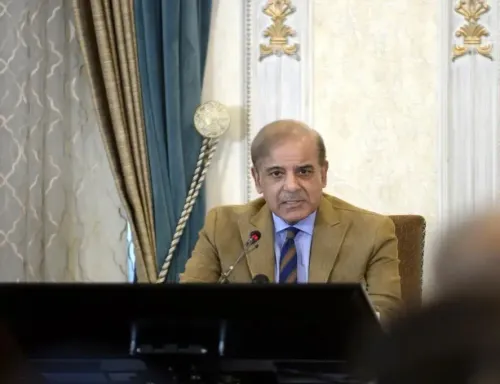
Pakistan's federal government on Monday, 11 May extended its austerity and fuel conservation measures until June 13, as uncertainty over the ongoing conflict in West Asia continued to weigh on the country's energy supply outlook. The extension was approved by Prime Minister Shehbaz Sharif on the recommendations of the implementation committee, with the cabinet division releasing a formal notification shortly thereafter.
Key Measures Extended
Under the extended order, a 50 per cent cut in fuel supply for official vehicles will remain in effect. Additionally, 60 per cent of official vehicles will be kept off the roads during the extended period. These measures were originally introduced as part of a broader austerity drive aimed at reducing the government's operational expenditure amid rising fuel costs and global energy uncertainty.
Background: How the Austerity Drive Began
The measures trace back to 9 March, when Prime Minister Shehbaz Sharif announced a sweeping austerity plan in a televised address, applicable across all federal government institutions — including ministries, departments, state-owned enterprises, autonomous bodies, the legislature, defence organisations, and the judiciary. The announcement came just days after the government raised prices of petrol and diesel by 20 per cent.
Under the original plan, government offices shifted to a four-day work week, while the banking sector and essential services were exempted. Federal and provincial departments were directed to cut non-essential expenditure by 20 per cent during the final quarter of the current fiscal year. Up to 50 per cent of government employees were to work from home on alternate days, excluding essential services staff.
A ban on official foreign visits by ministers, parliamentarians, and government officials was also imposed, with exceptions only for obligatory trips. Officials were further required to travel economy class and conduct virtual meetings instead of physical ones wherever possible.
The West Asia Factor
The extension is directly linked to continued instability in the Strait of Hormuz, a critical global energy corridor. According to reports, a ceasefire between Iran, the United States, and Israel was reached on 8 April, following 40 days of fighting that began with joint US-Israeli strikes on Iran on 28 February. However, the first round of post-ceasefire negotiations between Iran and the US, held on 11–12 April, failed to produce an agreement, and tensions around the Strait have persisted.
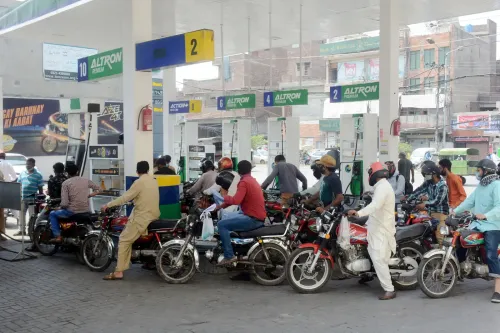
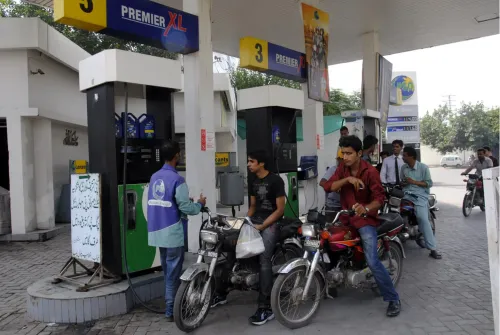
For Pakistan — a country heavily dependent on imported energy — prolonged instability in the region poses a direct threat to fuel availability and pricing, making the conservation measures a precautionary economic buffer.
What Comes Next
The measures are now in effect until 13 June 2025, with no indication yet of whether a further extension is being considered. Analysts will be watching closely for any developments in the Iran-US diplomatic track, which could ease pressure on global oil supply routes and potentially allow Islamabad to roll back the restrictions ahead of schedule.
Point of View
Suggesting the government is managing a cost spiral, not just a temporary supply scare. Notably, the banking sector and essential services remain exempt, meaning the burden falls disproportionately on the administrative machinery rather than the economy at large. Unless the Iran-US diplomatic track produces a durable agreement, successive extensions of these measures could normalise austerity as a governance mode rather than an emergency response.
NationPress
24 Sept 2026
Frequently Asked Questions
Why has Pakistan extended its austerity measures until June 13?
Pakistan extended its austerity and fuel conservation measures until 13 June 2025 due to continued uncertainty around the West Asia conflict, particularly ongoing tensions near the Strait of Hormuz, a critical global energy route. Prime Minister Shehbaz Sharif approved the extension on the recommendation of the implementation committee.
What are the specific austerity measures in place in Pakistan?
The measures include a 50% cut in fuel supply for official vehicles, 60% of official vehicles kept off roads, a four-day government work week, up to 50% of staff working from home on alternate days, a ban on non-essential official foreign travel, mandatory economy-class travel, and a 20% cut in non-essential departmental expenditure.
When did Pakistan first announce these austerity measures?
Prime Minister Shehbaz Sharif first announced the austerity plan on 9 March in a televised address, applicable across all federal institutions. The announcement came days after the government raised petrol and diesel prices by 20%.
How is the West Asia conflict affecting Pakistan?
Tensions near the Strait of Hormuz — a critical global oil shipping route — have created uncertainty over energy supply and pricing. Pakistan, which is heavily dependent on imported fuel, introduced conservation measures as a precautionary buffer against potential supply disruptions or price spikes.
Did the Iran-US ceasefire resolve the situation?
A ceasefire between Iran, the US, and Israel was reached on 8 April after 40 days of conflict, but the first round of negotiations on 11–12 April failed to produce a lasting agreement. Tensions around the Strait of Hormuz have continued, keeping energy route uncertainty unresolved.