Pakistan Implements Austerity Measures Amid Energy Crisis Triggered by West Asia Tensions
Synopsis
Amidst a spiraling fuel crisis driven by escalating global oil prices and geopolitical tensions in West Asia, Pakistan's government has enacted significant austerity measures. This response highlights the nation's precarious economic reliance on imported energy and the urgent need for sustainable solutions.
Key Takeaways
Pakistan's fuel crisis is exacerbated by global tensions and rising oil prices.
Government austerity measures include salary cuts and reduced fuel allocations.
All schools will be closed for two weeks to conserve energy.
The crisis highlights Pakistan's reliance on imported energy .
Other regional countries are also feeling the impact of the energy crisis.
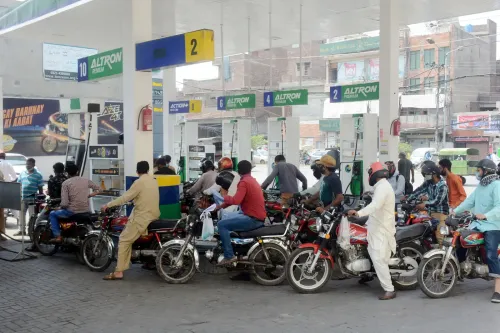
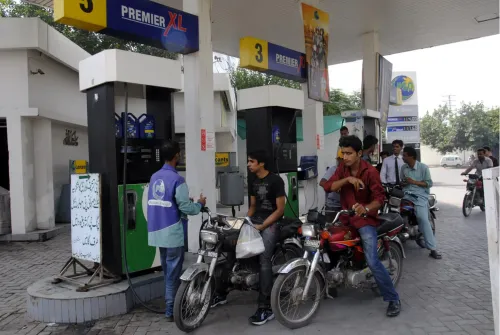
Islamabad, March 10 (NationPress) In light of a deepening fuel crisis caused by escalating global oil prices and geopolitical strife in West Asia, the Pakistani government has rolled out a series of austerity measures, revealing the nation's significant reliance on imported energy and its precarious economic situation.
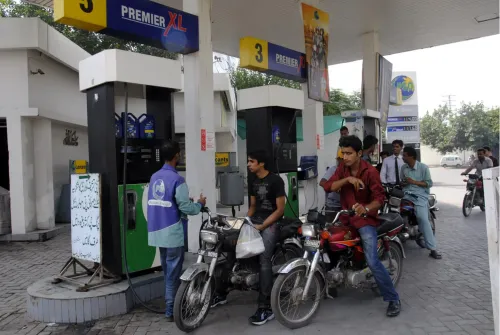
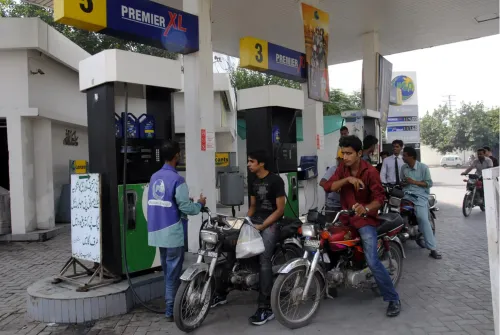
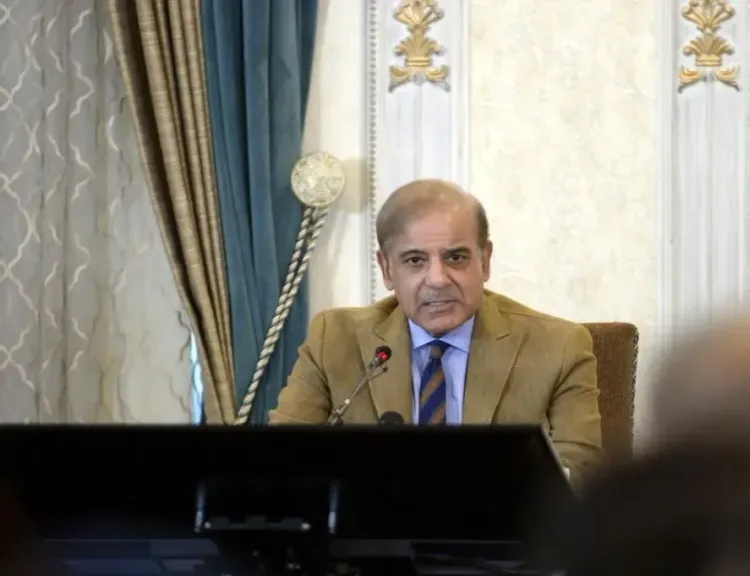
During a pre-recorded address on Monday, Prime Minister Shehbaz Sharif detailed initiatives designed to conserve fuel and generate revenue to mitigate the crisis's effects. This announcement follows a recent hike in petrol and diesel prices by 55 Pakistani rupees per litre, marking nearly a 20 percent increase due to soaring global prices associated with tensions in the Middle East.
“We will have to increase (fuel) prices in the near future (due to global price hikes), but I will strive to ensure that no additional burden is placed on the citizens,” Sharif was quoted as saying by The Express Tribune.
The measures introduced by the Pakistani government underscore the mounting strain on the nation's economy, which is heavily dependent on imported oil and liquefied natural gas. Analysts indicate that this reliance renders Islamabad especially susceptible to global supply disruptions and price fluctuations.
As part of the austerity plan, government vehicle fuel allocations will be cut by 50 percent over the next two months, with approximately 60 percent of departmental vehicles staying off the roads during this timeframe. Additionally, the Prime Minister declared that ministers, advisers, and special assistants would not receive salaries for two months, while members of parliament will see a 25 percent reduction in pay.
“Spending across all government departments, excluding salaries, will be reduced by 20 percent,” Sharif added.
In another indication of the crisis's severity, the government has mandated that all schools in Pakistan will close for two weeks starting at the end of this week, while higher education institutions will transition to online classes to minimize energy use.
However, the government's crisis management has faced criticism. An editorial in The Express Tribune indicated that petrol prices were raised by around Rs 23 per litre more than necessary, implying that the government was generating surplus revenue rather than merely passing on the global price increases to consumers.
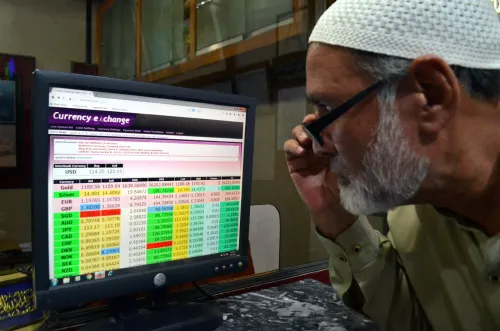
This situation highlights the structural economic vulnerabilities of Pakistan, as the nation remains heavily reliant on fuel imports that pass through the strategically vital Strait of Hormuz. With global oil prices climbing amid rising tensions in West Asia, Pakistan's fragile economy is under increasing pressure from inflation, supply uncertainties, and escalating import costs.
Meanwhile, the energy crisis is reverberating throughout the region. In neighboring Bangladesh, the government has also temporarily closed universities to conserve electricity and fuel during the ongoing global energy crisis, as reported by the Bengali daily Prothom Alo.
These developments illustrate how the escalating geopolitical tensions in West Asia are revealing the weaknesses of import-dependent economies like Pakistan, compelling governments to implement emergency austerity measures to manage dwindling energy resources.
Point of View
The current fuel crisis in Pakistan underscores a critical need for structural economic reforms. The government's swift response through austerity measures reflects the urgency of the situation, yet it also highlights the vulnerabilities inherent in relying on imported energy. A comprehensive approach is necessary to build resilience against future crises.
NationPress
5 Oct 2026
Frequently Asked Questions
What measures is the Pakistani government taking to address the fuel crisis?
The government has announced a 50% reduction in fuel allocations for government vehicles, a temporary closure of schools, and pay cuts for ministers and parliament members as part of austerity measures.
How much have fuel prices increased in Pakistan recently?
Fuel prices in Pakistan have increased by 55 Pakistani rupees per litre, which is nearly a 20% hike due to rising global oil prices.
Why is Pakistan's economy vulnerable to energy price fluctuations?
Pakistan's economy heavily relies on imported oil and liquefied natural gas, making it susceptible to global supply shocks and price volatility.
How are other countries in the region responding to the energy crisis?
Countries like Bangladesh have also implemented temporary closures of universities to conserve electricity and fuel amid the ongoing global energy crisis.
What long-term solutions could help stabilize Pakistan's energy dependence?
Investing in renewable energy sources and improving energy efficiency would be crucial steps towards reducing Pakistan's reliance on imported fuel.