Pakistan's Provinces Unite to Address Fuel Subsidy Amid Oil Price Surge

Synopsis
As global oil prices soar due to Middle Eastern conflicts, Pakistan's provinces are stepping up to share the financial burden of a fuel subsidy. This crucial collaboration aims to protect citizens amid economic instability, but the fiscal implications remain uncertain.
Key Takeaways
Provincial cooperation in managing financial burdens is crucial.
The fuel subsidy is a response to escalating oil prices .
Fiscal implications of the subsidy remain uncertain .
Economic reforms are necessary for long-term stability.
Austerity measures are being implemented to manage pressures.
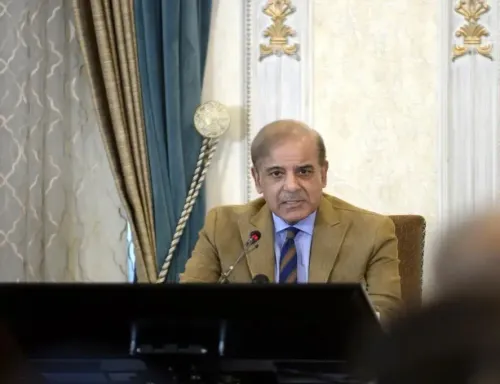
New Delhi, April 2 (NationPress) The provincial administrations of Pakistan have reached a consensus to collectively bear the financial weight of a fuel subsidy introduced by Prime Minister Shehbaz Sharif, as the nation contends with escalating global oil prices exacerbated by the ongoing turmoil in the Middle East, according to a report.
This agreement comes as international oil prices have surged due to supply interruptions, with the conflict now extending into its fifth week, as reported by Business Recorder.
It remains uncertain if the provinces were consulted prior to this announcement; however, all four chief ministers have endorsed the initiative, emphasizing the importance of safeguarding citizens' living conditions during this economically challenging time.
Yet, both the timeframe and the overall financial implications of the subsidy are still unknown, with no indication of when the conflict will resolve or when global oil markets will stabilize.
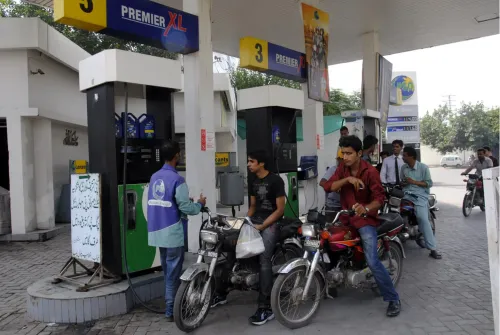
The Prime Minister has committed to refrain from raising petrol prices, but estimating the ultimate fiscal impact of this pledge is complex.
This predicament presents a substantial challenge for Pakistan’s already vulnerable economy, which has historically struggled with restricted fiscal capacity.
The nation has depended on numerous International Monetary Fund programs over the years, including the present 36-month Extended Fund Facility, to navigate its economic challenges.
Economists assert that external shocks, like soaring oil prices, typically aggravate Pakistan’s fiscal situation.
Decreased economic growth can diminish tax revenues, especially from indirect taxes, which constitute a significant portion of government income.
Simultaneously, the strain on foreign exchange reserves—predominantly reliant on borrowed funds or rollovers from allied nations—restricts the country’s capacity to import essential goods, further impacting production and revenue generation.
Data from the Federal Board of Revenue indicates a tax deficit of 457 billion rupees as of February 2026, even prior to the escalation of the Middle Eastern conflict. This shortfall is anticipated to increase further in the upcoming months.
In response to the growing fiscal pressures, the government has initiated cuts to development expenditure. Recently, it slashed allocations under the Public Sector Development Programme (PSDP) by 100 billion rupees to support the fuel subsidy.
Additionally, an austerity initiative has been launched, along with the establishment of a Prime Minister’s Austerity Fund, which has received an initial allocation of 27 billion rupees.
Analysts caution that while these actions may offer temporary relief, comprehensive reforms are necessary to stabilize the economy.
Such reforms should include reducing current expenditures, enhancing tax collection systems, and creating a more equitable and efficient tax framework.
Point of View
Pakistan's provincial governments are demonstrating a commendable spirit of cooperation by agreeing to share the financial burden of a fuel subsidy. This decision highlights the urgent need to prioritize citizens' welfare, although the long-term fiscal consequences of this initiative remain a concern for the nation's already strained economy.
NationPress
14 Oct 2026
Frequently Asked Questions
What prompted the fuel subsidy in Pakistan?
The fuel subsidy was announced in response to rising global oil prices, exacerbated by the ongoing conflict in the Middle East.
How are the provinces involved in the fuel subsidy?
All four provincial governments in Pakistan have agreed to share the financial burden of the fuel subsidy to protect citizens during economic difficulties.
What are the potential impacts of the fuel subsidy?
The subsidy may provide temporary relief for citizens, but it poses risks to Pakistan's fiscal stability and long-term economic health.
What measures is the government taking to manage economic challenges?
The government has begun cutting development spending and announced an austerity drive to address rising fiscal pressures.
What are the next steps for Pakistan's economy?
Experts suggest that comprehensive reforms are necessary, including improved tax systems and reduced current expenditures, to stabilize the economy.