Pakistan's mediator role between Iran and US under fresh scrutiny
Synopsis
Pakistan's Foreign Ministry confirmed an Iranian military aircraft was parked at Nur Khan Air Base — then insisted it had nothing to do with any military arrangement. That careful non-denial has handed Washington hawks fresh ammunition, with Senator Lindsey Graham calling for a 'complete reevaluation' of Pakistan's mediator role. The episode is a textbook replay of the 'double game' charge that has dogged Islamabad since the war on terror.
Key Takeaways
An Iranian military aircraft was reportedly parked at Nur Khan Air Base near Rawalpindi , according to a CBS report published on 11 May .
Pakistan's Foreign Ministry called the report 'misleading and sensationalised' but did not deny the aircraft's presence at the base.
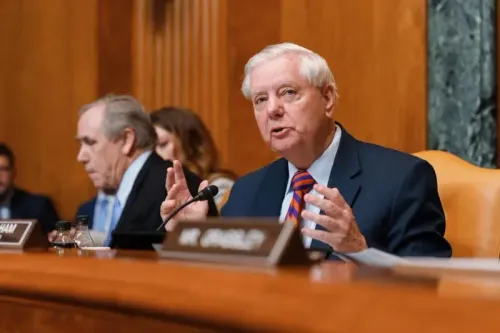
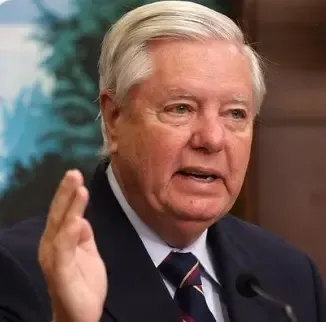
US Senator Lindsey Graham said the report, if accurate, would require a 'complete reevaluation' of Pakistan's mediator role between Iran and the US.
The controversy has revived the 'double game' accusation that has followed Pakistan since its role as a non-NATO ally during the US-led war on terror.
In 2018 , then-President Donald Trump accused Pakistan of taking more than $33 billion in US aid while sheltering militants in Afghanistan .
Pakistan's self-styled role as a mediator between Iran and the United States has come under renewed international scrutiny after reports emerged that an Iranian military aircraft was parked at Nur Khan Air Base near Rawalpindi, raising pointed questions about Islamabad's balancing act amid the ongoing West Asia conflict.
What the Reports Alleged
American broadcaster CBS reported on 11 May that Pakistan had permitted Iran to park its military aircraft on Pakistani airfields, potentially shielding them from US air strikes. The report, also cited by Radio Free Europe/Radio Liberty, reignited a long-running debate in Washington over whether Islamabad can simultaneously sustain close security ties with the US while maintaining strategic relationships with America's adversaries.
Pakistan's Foreign Ministry Response
Pakistan's Foreign Ministry called the news report 'misleading and sensationalised,' though it stopped short of denying the aircraft's presence at the base. 'The Iranian aircraft parked in Pakistan arrived during the ceasefire period and bear no linkage whatsoever to any military contingency or preservation arrangement,' the ministry said in an official statement. The carefully worded denial — confirming the aircraft's presence while disputing its significance — drew immediate attention from analysts tracking the region.
US Senator Demands Full Reevaluation
US Senator Lindsey Graham responded sharply, posting on X: 'If this reporting is accurate, it would require a complete reevaluation of the role Pakistan is playing as mediator between Iran, the United States and other parties. Given some of the prior statements by Pakistani defense officials towards Israel, I would not be shocked if this were true.' Graham's remarks signal that the episode could complicate Pakistan's diplomatic positioning in Washington at a particularly sensitive moment.
The 'Double Game' Accusation Resurfaces
The controversy has revived accusations that Pakistan plays a 'double game' — a charge that has shadowed Islamabad since the US-led war on terror, when Pakistan was a non-NATO ally receiving substantial American security assistance. Tensions peaked in 2018 when then-President Donald Trump publicly accused Islamabad of taking billions in US aid while providing a 'safe haven' to militants in Afghanistan. Trump had posted on social media: 'The United States has foolishly given Pakistan more than 33 billion dollars in aid over the last 15 years, and they have given us nothing but lies and deceit, thinking of our leaders as fools.' The current episode echoes that fracture point, this time with Iran at the centre rather than Afghanistan.
What Happens Next
The episode puts Islamabad in a diplomatically precarious position: too close an association with Iran risks its standing in Washington, while distancing itself from Tehran could jeopardise its regional leverage. With the West Asia conflict still unresolved and US-Iran tensions running high, Pakistan's ability to credibly position itself as a neutral facilitator may now face its stiffest test yet.
Point of View
The distinction barely matters: the optics of Iranian military hardware on Pakistani soil, mid-conflict, are damaging regardless of context. The 'double game' label has always been Pakistan's most stubborn liability with American policymakers, and this episode gives it fresh oxygen. What's underreported is the bind Pakistan actually faces: its geographic and economic exposure to both Iran and the US leaves it structurally unable to pick a side, yet the US increasingly demands exactly that. Senator Graham's call for a 'complete reevaluation' may be posturing, but it reflects a real and growing frustration in Washington that Islamabad's strategic ambiguity has a cost — and that cost may now be called in.
NationPress
28 Sept 2026
Frequently Asked Questions
Why is Pakistan's mediator role between Iran and the US under scrutiny?
Reports emerged that an Iranian military aircraft was parked at Nur Khan Air Base near Rawalpindi, raising questions about whether Pakistan is genuinely neutral or is sheltering Iranian assets from potential US strikes. Pakistan's Foreign Ministry confirmed the aircraft's presence but denied any military significance.
What did Pakistan's Foreign Ministry say about the Iranian aircraft?
The ministry called the CBS report 'misleading and sensationalised' but did not deny the aircraft was at Nur Khan Air Base. It stated the aircraft 'arrived during the ceasefire period and bear no linkage whatsoever to any military contingency or preservation arrangement.'
How did the US respond to the reports?
US Senator Lindsey Graham posted on X that if the reporting is accurate, it would require a 'complete reevaluation' of the role Pakistan is playing as mediator between Iran, the United States, and other parties. His remarks signal potential diplomatic consequences for Islamabad.
What is the 'double game' accusation against Pakistan?
The 'double game' charge refers to longstanding US accusations that Pakistan accepts American security assistance while simultaneously supporting or sheltering groups and states that act against US interests. The accusation gained prominence during the war on terror and was amplified by Donald Trump in 2018, when he claimed Pakistan had received over $33 billion in aid while providing a safe haven to militants in Afghanistan.
How does this episode connect to past US-Pakistan tensions?
The current controversy mirrors the 2018 breakdown under Trump, when Pakistan was accused of harbouring Afghan militants despite receiving billions in US aid. This time, the concern centres on Iran rather than Afghanistan, but the underlying question — whether Pakistan can be a reliable US partner — remains the same.